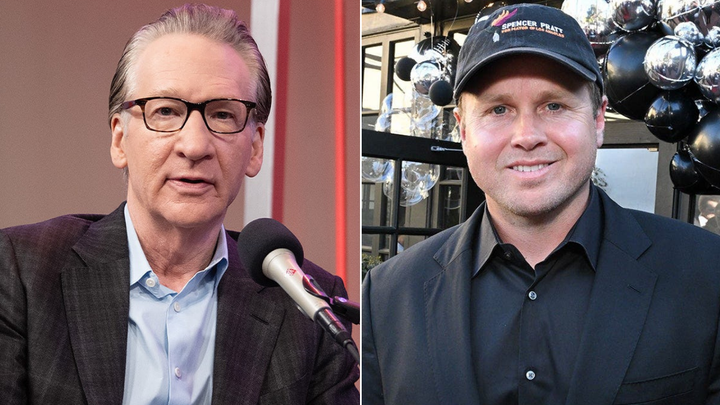
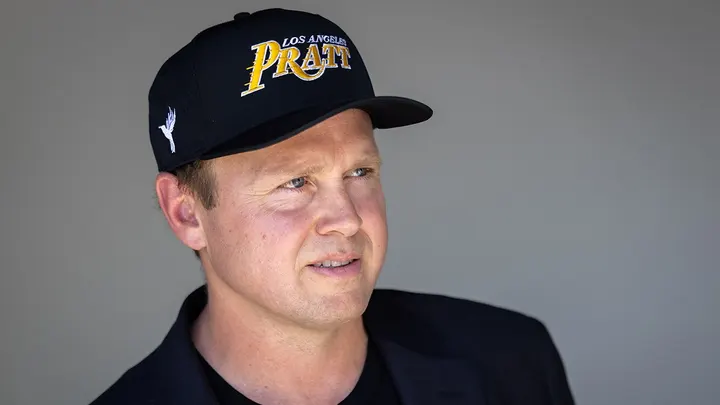
Even liberal comedian Bill Maher is finding it difficult to dismiss Spencer Pratt as the Los Angeles mayoral race continues to tighten.
During Friday’s episode of Real Time with Bill Maher, the HBO host surprised many viewers by admitting that after speaking with Pratt on his podcast, he came away with a much different impression than expected.
“You know what? I know I’m supposed to hate him. I don't,” Maher said.
The comment is notable given that Pratt, a Republican and former reality television personality, has become one of the most talked-about candidates in Los Angeles politics just days before the June 2 primary.
Maher acknowledged that Pratt’s candidacy has become a major topic of conversation throughout the city.
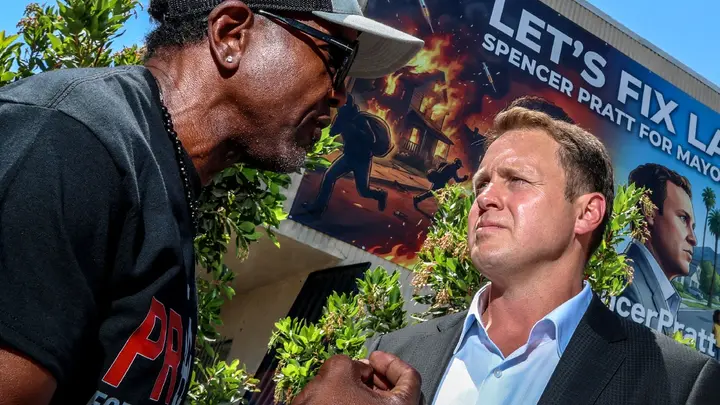
“It’s funny because he’s running as a Republican and doing quite well,” Maher said. “Everybody out here is like, ‘What do you think of Spencer Pratt?’ He’s on everybody’s mind.”
That kind of reaction would have been nearly unthinkable just months ago in one of America’s most reliably Democratic cities.
Pratt is running in Los Angeles’ nonpartisan mayoral primary against incumbent Mayor Karen Bass, City Councilwoman Nithya Raman, and several other candidates. If no candidate receives a majority of the vote, the top two finishers will advance to the general election in November.
Recent polling suggests the race is becoming increasingly competitive. A UC Berkeley-Los Angeles Times poll released Thursday showed Bass at 26%, Raman at 25%, and Pratt at 22%, with pollsters describing Bass’ lead as statistically insignificant.
Beyond polling, Pratt has demonstrated significant fundraising strength. Campaign finance filings show his campaign raised approximately $2.72 million between April 19 and May 16, far surpassing Bass’ $283,000 and Raman’s roughly $401,000 during the same period.
Supporters argue that Pratt’s growing popularity stems from his focus on issues that many Los Angeles residents encounter every day, including homelessness, affordability, public safety, and the overall direction of the city.
For many voters frustrated by years of deteriorating conditions, the appeal of an outsider candidate appears to be growing. Apparently, when enough residents become dissatisfied with the status quo, even Hollywood can start looking for someone willing to shake things up.
Maher’s comments may also signal a broader trend: Pratt’s message is reaching audiences beyond traditional Republican circles. When a prominent liberal commentator openly admits he likes a Republican candidate he expected to dislike, it suggests the campaign may be breaking through partisan barriers.
With the primary just around the corner, Pratt’s rise from reality TV star to serious mayoral contender has become one of the most unexpected stories in American politics.
Whether that momentum translates into victory remains to be seen, but one thing is clear: Spencer Pratt is no longer being treated as a novelty candidate. He is now firmly part of the conversation about who could lead Los Angeles next.