The United States and Iran appear to be moving closer to a significant interim agreement that could reduce tensions in the Middle East, reopen critical global shipping routes, and create a pathway toward a broader peace arrangement.
According to details first reported by Axios yesterday, and corroborated by sources familiar with the negotiations, the proposed memorandum of understanding would establish a 60-day ceasefire framework between the parties while launching discussions on Iran’s nuclear program and potential sanctions relief.
One of the most important provisions would involve the reopening of the Strait of Hormuz to unrestricted commercial shipping. The strategic waterway serves as one of the world's most important energy corridors, and restoring normal traffic would provide relief to global markets and reduce uncertainty surrounding international trade.
Under the framework, Iran would regain the ability to sell oil and participate more broadly in international commerce. However, the Trump administration is reportedly insisting on a strict "relief for performance" approach, meaning any sanctions relief would depend on Iran fully complying with its obligations.
In other words, this is not a blank check. It's a simple concept that Washington many times forgot in previous decades: rewards come after results.
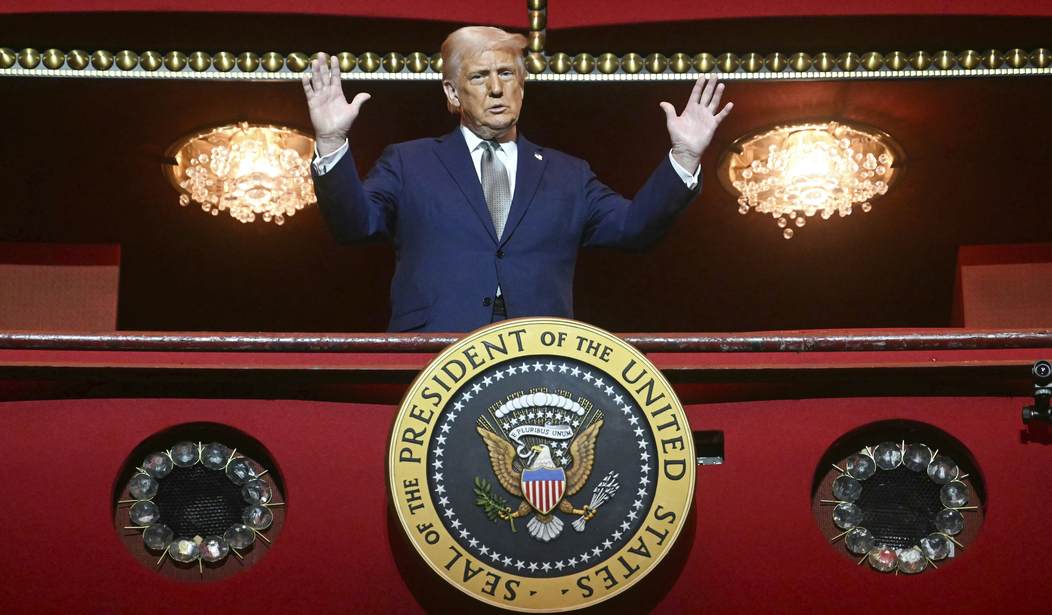
The emerging agreement comes after reports indicated that President Donald Trump had been reviewing military options against Iran before diplomatic efforts gained momentum over the weekend. According to officials familiar with the discussions, the president ultimately leaned toward pursuing a negotiated solution while maintaining pressure on Tehran.
One of the most notable aspects of the negotiations involves Trump's reported push for a broader regional realignment. Sources indicate the president encouraged Arab nations participating in mediation efforts to consider joining the Abraham Accords, expanding the historic normalization framework that reshaped Middle Eastern diplomacy during his first term.
Saudi Arabia and Qatar were reportedly among the countries encouraged to participate in discussions tied to a wider regional agreement, though it remains unclear whether any formal commitments have been made.
Leaders from Saudi Arabia, Qatar, the United Arab Emirates, Egypt, Turkey, and Pakistan have reportedly participated in discussions supporting the framework.
Despite growing optimism, several major questions remain unresolved. Iran has reportedly sought immediate access to frozen assets and permanent sanctions relief. The United States rejected those demands, insisting that any long-term economic benefits must be earned through verifiable compliance.
There are also lingering concerns about whether Tehran would fully honor commitments involving the Strait of Hormuz and potential nuclear restrictions.
For supporters of the administration, the negotiations reflect Trump's long-standing approach to foreign policy: negotiate from a position of strength while keeping all options on the table. Rather than offering concessions upfront, the framework seeks measurable actions before substantial rewards are granted.
The proposed agreement is widely viewed as a testing phase rather than a final peace settlement. If successful, it could open the door to more comprehensive negotiations and greater stability throughout the region.
White House officials hope an announcement could come soon, though they caution that negotiations remain fluid and the deal could still unravel before implementation.
For now, the framework represents a potentially significant diplomatic breakthrough—one that could ease regional tensions, secure vital trade routes, and demonstrate that peace achieved through strength remains a viable strategy in one of the world's most volatile regions.