Catholic bishops are urging the University of Notre Dame to rescind its decision to appoint a pro-abortion professor to a leadership role, arguing the move further damages the school’s Catholic mission — which has already been weakened by its embrace of diversity, equity, and inclusion policies. Apparently, mission statements are now more flexible than doctrine.
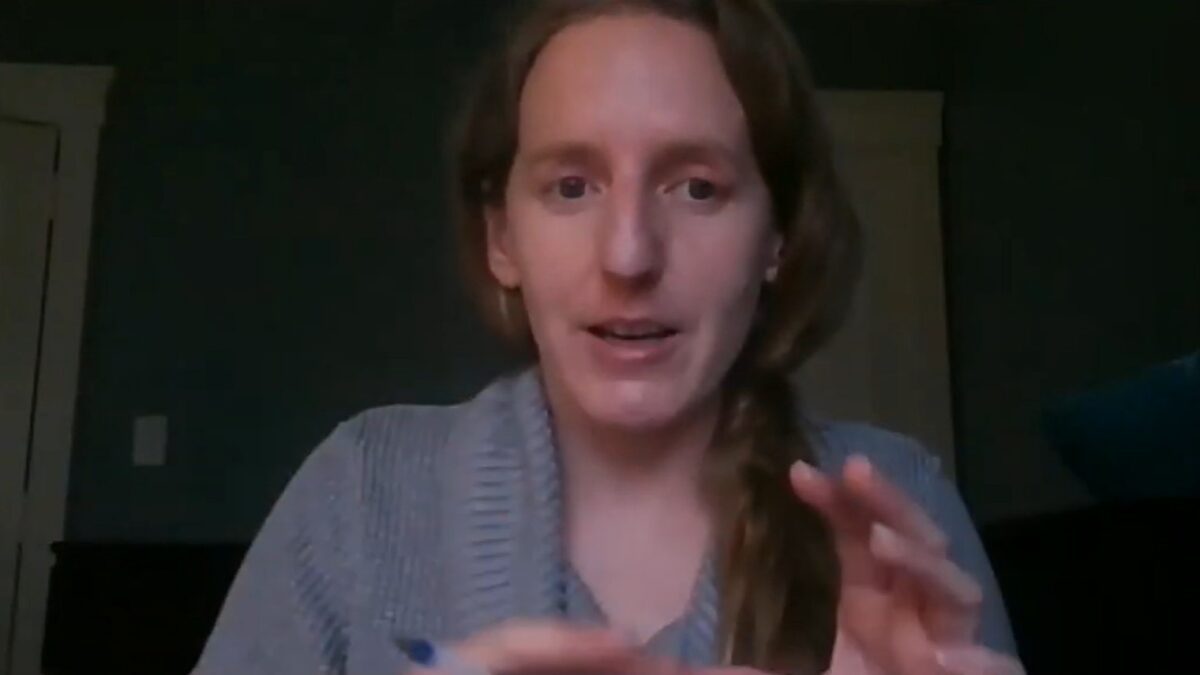
Earlier this year, Notre Dame announced it would appoint Susan Ostermann, an associate professor of global affairs, to lead the Liu Institute for Asia and Asian Studies beginning in July. Ostermann is openly supportive of abortion and has publicly attacked the Catholic Church’s pro-life teachings.
She has claimed that the pro-life movement has “its roots in white supremacy and racism” and is “embedded” with misogyny. She has also described pro-life pregnancy centers as harmful to women and labeled them “anti-abortion propaganda sites,” while asserting that Catholic doctrine somehow supports abortion because, in her view, abortion promotes women’s freedom.
“These are all outrageous claims that should disqualify her from an administrative and leadership role at a Catholic university,” said Bishop Kevin C. Rhoades of the Diocese of Fort Wayne-South Bend in a sharply worded statement Wednesday. He added that he hopes Ostermann will retract her statements and “have a change of mind and heart” that leads her to affirm the dignity of both unborn children and their mothers.
Rhoades also criticized Ostermann’s work as a consultant for the Population Council, which he described as an organization dedicated to promoting abortion worldwide. He noted its links to China’s population control policies that resulted in hundreds of millions of abortions of baby girls and said it played a key role in securing FDA approval of the abortion pill, now responsible for most abortions in the United States.
Rhoades previously led an effort to deny former President Joe Biden the Eucharist over Biden’s pro-abortion stance, making his position on the issue anything but unclear.
The Liu Institute promotes “integral human development,” a Catholic social teaching principle Rhoades says Ostermann has distorted to justify abortion. He said she has written that this principle supports abortion on demand, while the Holy See has consistently defended the right to life as a central pillar of integral human development.
Rhoades rejected claims that academic freedom protects the appointment, explaining that academic freedom applies to research and teaching, not to official administrative leadership roles. He warned that such appointments directly affect Notre Dame’s public witness as a Catholic institution.
Other Catholic leaders, including Archbishop Samuel J. Aquila of Denver and Bishop Robert Barron of Winona-Rochester, issued statements backing Rhoades’ opposition.
Notre Dame is one of the few U.S. Catholic universities that has historically maintained its Catholic identity as central to its mission. However, that identity has been fading as the school has elevated race and sex quotas and DEI initiatives.
Last year, the university removed references to its Catholic mission from staff values, no longer requiring staff to “understand and accept the Catholic mission of the university.” After public backlash, administrators restored the language while denying it had truly been removed in the first place — a clarification that convinced few.
Public wavering on Notre Dame’s Catholic identity has become increasingly common. Provost John McGreevy has said that increasing the number of women and “underrepresented minorities” on the faculty is “equally important” as hiring Catholic professors.
The university’s focus on race and gender criteria dates back to at least the 1970s, and Indiana Attorney General Todd Rokita has opened a civil rights investigation into the school over those policies.
At its core, this controversy highlights a growing divide between faith-based mission and modern ideological priorities. But the bishops’ unified response shows there are still leaders willing to defend the Church’s teachings and the university’s original purpose. And that resistance, at least for now, means the fight for Notre Dame’s Catholic identity is far from over.