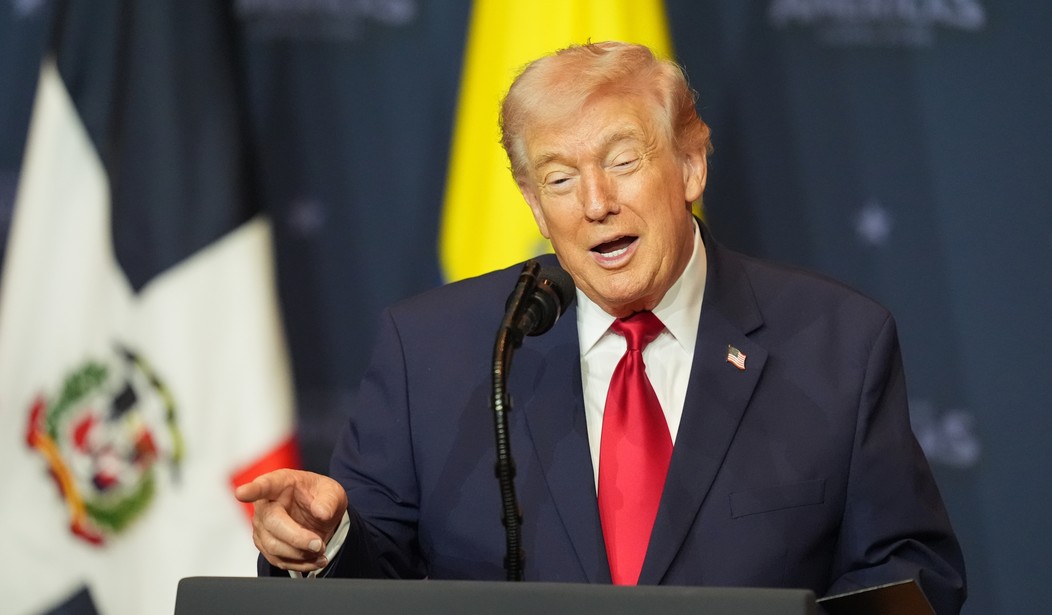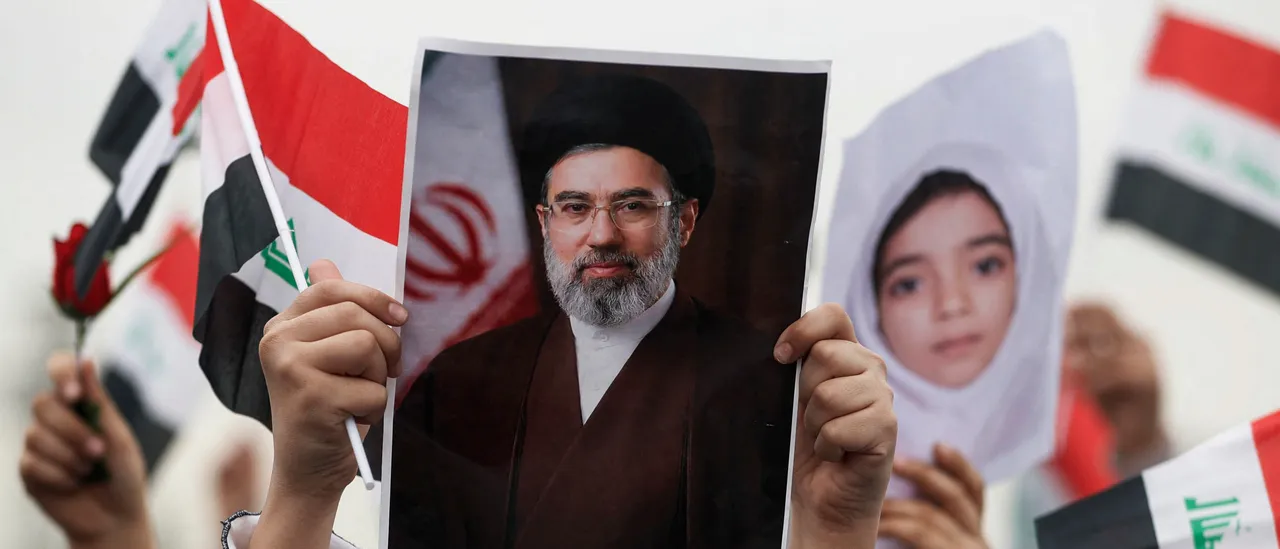
President Donald Trump made it crystal clear this weekend: the United States has the capability to take out Iran’s most valuable oil hub in minutes—but, in a move that might confuse the usual critics, he’s choosing not to… at least for now.
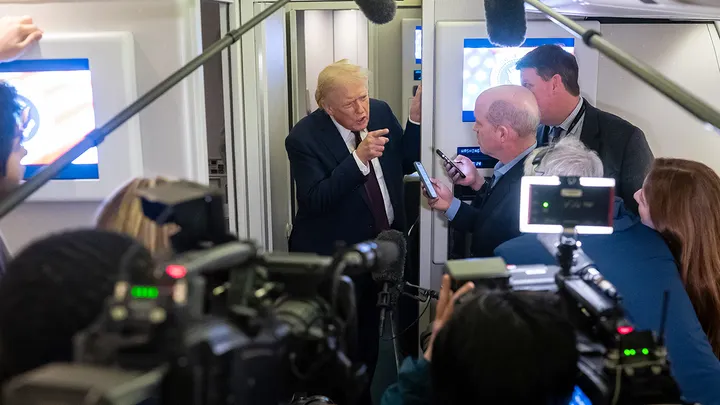
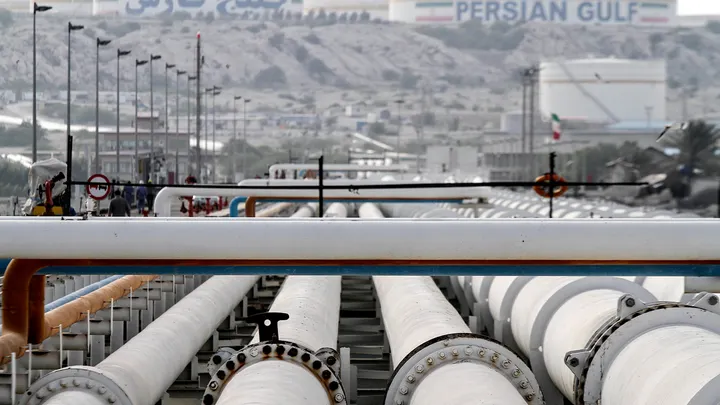
Speaking aboard Air Force One, Trump described Iran’s Kharg Island as the regime’s “crown jewel,” emphasizing that U.S. forces are fully prepared to strike it at a moment’s notice. “Locked and loaded,” as he put it—because when the U.S. says it’s ready, it actually means it.
And here’s the part that really stands out: the U.S. already carried out major strikes on the island, hitting over 90 military targets, including missile bunkers and naval mine storage sites. But the oil infrastructure? Left untouched. Not exactly the move of a reckless administration, despite what some might try to spin.
Trump made it clear this wasn’t hesitation—it was strategy. “We chose not to do it,” he said. Translation: the option is there, and Iran knows it.
The message is simple and effective. Apply pressure without immediately pulling the trigger. And according to Trump, it’s working. He noted that Iran is eager to negotiate—just not quite ready to meet the terms the United States expects. In other words, they’re feeling the heat but still trying to save face. Classic.
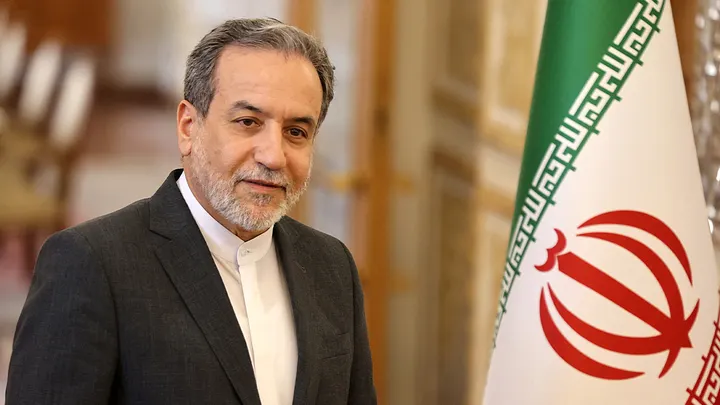
Meanwhile, Iran’s Foreign Minister Abbas Araghchi insists the country hasn’t requested a ceasefire and is prepared to continue defending itself “as long as it takes.” Strong words—but not exactly surprising. Admitting weakness publicly isn’t usually part of the playbook.
Behind the scenes, the strategy appears even more decisive. Reports indicate Trump has considered the possibility of seizing Kharg Island entirely—effectively cutting off a major source of Iran’s oil revenue. One U.S. official described it as an “economic knockout.” And honestly, it’s hard to argue with that logic.
What we’re seeing here is a calculated approach: demonstrate overwhelming strength, keep all options on the table, and force the other side into a corner without unnecessary escalation. It’s the kind of leadership that understands both power and timing—something that tends to get results.
At the end of the day, the situation remains tense, but one thing is undeniable: when America is prepared, decisive, and led with clarity, adversaries don’t get comfortable—they get cautious. And that’s exactly where you want them.