President Donald Trump’s Justice Department is still refusing to come clean about how much taxpayer money was sent to Twitter during the height of the government’s so-called fight against “misinformation.” Transparency, apparently, has a very flexible definition in Washington.
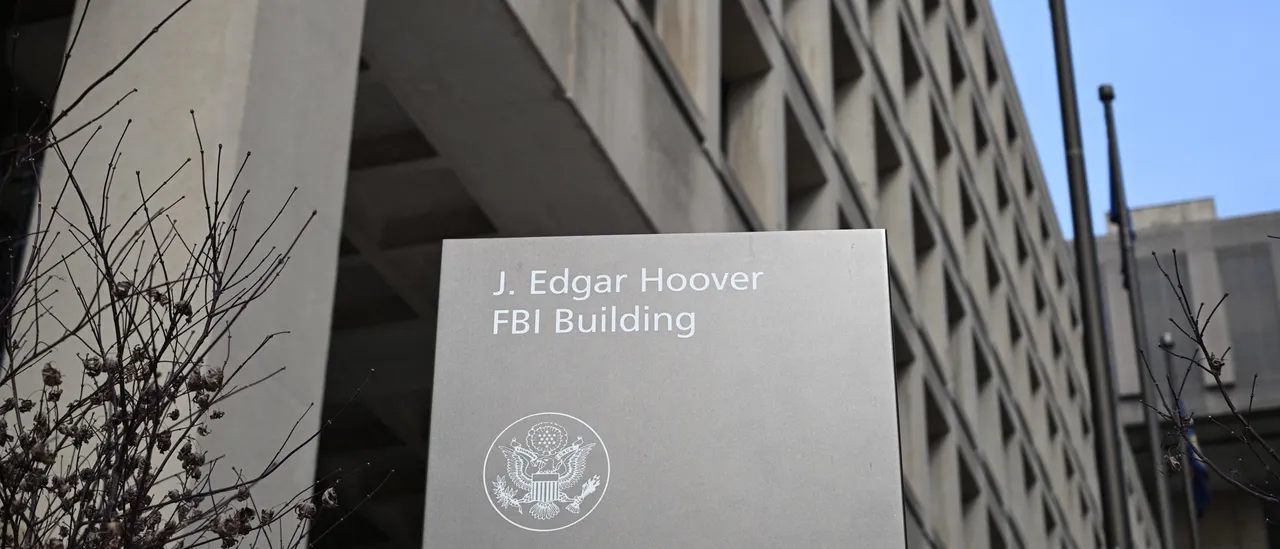
In a Feb. 4 ruling, Judge James Boasberg, an Obama appointee, allowed the Department of Justice to keep secret the FBI’s quarterly payments to Twitter for “legal-process requests” from 2016 to 2023. That means Americans still don’t get to know how much money flowed while Big Tech and the federal government were busy policing speech.
An email from the “Twitter Files,” reported by journalist Michael Shellenberger, revealed that the FBI paid Twitter nearly $3.5 million between October 2019 and February 2021. Convenient timing, since that period lined up perfectly with intense government pressure on platforms to control COVID-19 narratives. What exactly the payments were for? Still unclear. But we’re told not to worry about it.
The conservative watchdog group Judicial Watch sued in October 2023 after the FBI failed to properly respond to a FOIA request seeking details about the payments. According to Boasberg, releasing that information could reveal too much about law enforcement methods and help “bad actors” evade detection. Because, obviously, knowing how much money Twitter was paid would cause criminals worldwide to panic and flee to… Facebook.
Twitter already releases semi-annual reports on how many legal requests it gets, but the judge said quarterly FBI-specific payments could expose when and how investigative techniques are used. Internal documents from the Twitter Files showed government officials flagging posts labeled as COVID “misinformation” for removal. Emails reported by Matt Taibbi also revealed Twitter suppressed the Hunter Biden laptop story after FBI warnings about a supposed Russian “hack-and-leak” plot.
A DOJ spokesperson argued that releasing payment totals would show the level of FBI engagement with Twitter and could be exploited by criminals or foreign adversaries. In other words, the public must remain in the dark for its own good.
Judicial Watch President Tom Fitton wasn’t buying it. He said the information should be released given what is already known about the FBI’s “improper, corrupt and dangerous relationship with Twitter,” especially regarding censorship and surveillance tied to Trump. Fitton pointed out that while the government may not admit what it was doing, the public at least deserves to know how much money was spent doing it.
The backdrop here is ugly. The FBI previously used FISA warrants to spy on Trump campaign aide Carter Page, and the DOJ later admitted two of those warrants lacked probable cause. The Inspector General found the FBI failed to meet the standard of accuracy required for those applications. That history makes secrecy today look less like prudence and more like self-protection.
The standoff over the Twitter payments is just the latest clash between conservative groups and the DOJ. The Epstein file rollout already caused frustration after Attorney General Pam Bondi suggested major disclosures were coming, only for the public to get binders full of disappointment. Judicial Watch is also suing for FBI records related to Hunter Biden’s laptop.
Fitton summed it up simply: Americans are asking about corruption and censorship, and they deserve answers. Hiding numbers won’t erase what happened.
And here’s the good news: the fight for transparency isn’t over. The pressure is still on, the lawsuits are still moving, and the truth has a funny habit of surfacing no matter how hard bureaucrats try to bury it.