Washington, D.C. — For years, concerns about border security were brushed aside. Now, those concerns are coming back with a serious warning attached—and it’s not something you can just ignore and hope goes away.
According to reports, roughly 1,500 Iranian nationals were intercepted at the U.S. border during the previous administration. But as Bill Hagerty pointed out, the real issue isn’t the ones who were caught—it’s the ones who weren’t.
“We have no idea how many people got around,” Hagerty said. And that uncertainty is exactly what has officials worried about the possibility of “sleeper cells” operating inside the country.
Even more concerning? Of those intercepted, about 700 were reportedly released into the U.S. pending court proceedings. Because apparently, “catch and release” was considered a solid long-term security strategy. What could possibly go wrong?
Data shows the number of Iranian nationals encountered at the border climbed to around 1,650 between 2022 and 2025, with reports indicating that many traveled through hubs like São Paulo, Brazil—an area flagged for passport fraud activity.
These concerns intensified after federal authorities issued alerts warning about potential efforts by Iran to deploy pre-positioned sleeper operatives, especially amid escalating tensions overseas.
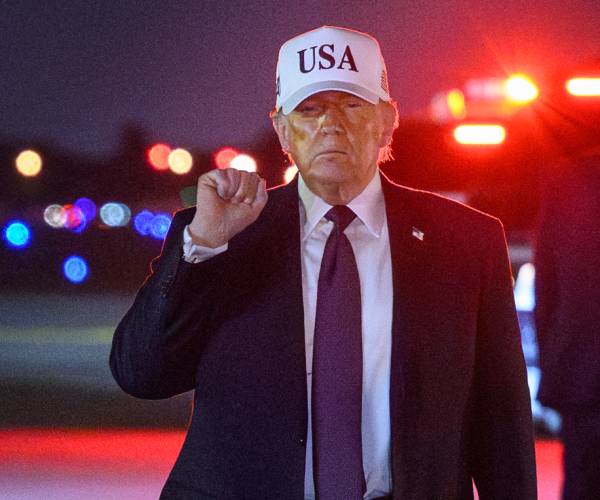
Donald Trump addressed the issue directly, pointing to border policies as a key factor, while also emphasizing that authorities are actively monitoring potential threats.
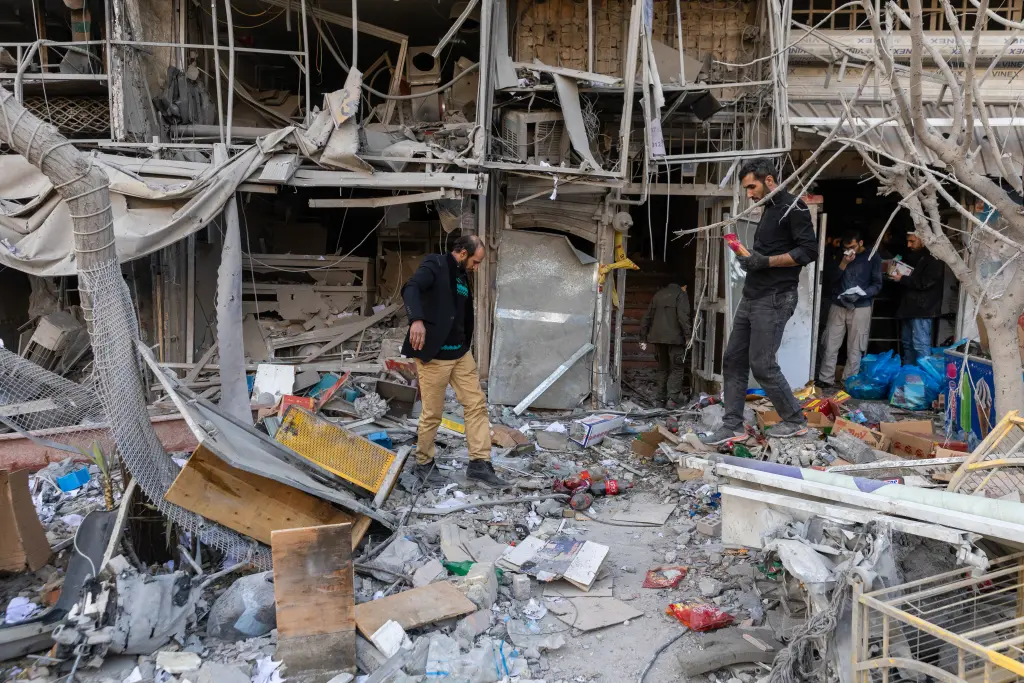
Meanwhile, recent violent incidents on U.S. soil—including an attack involving explosives in Michigan and a deadly shooting in Virginia—have only added to the sense that risks may already be closer than many would like to admit.
Top intelligence officials, including Kash Patel and John Ratcliffe, have also been briefing lawmakers as concerns over national security continue to grow.

Even across the aisle, there are signs of unease. Ron Wyden acknowledged there are “a lot of safety challenges” at the moment—though details remain classified.
At the end of the day, this isn’t about politics—it’s about reality. When you don’t have full control over who enters the country, you also don’t have full control over the risks that come with it.
The good news? Awareness is growing, leadership is engaged, and steps are being taken to address the gaps. And when a nation decides to take its security seriously again, that’s when real solutions start to happen.