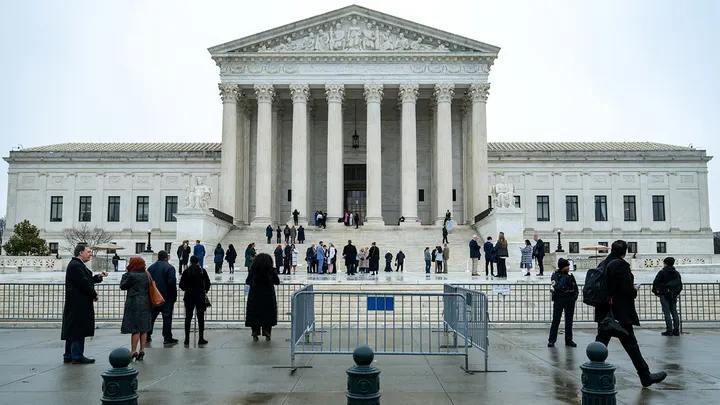
The Supreme Court is gearing up to tackle a question Washington conveniently ignored for over a century: what does it actually mean to be an American citizen? And now, thanks to President Donald Trump, that debate is finally front and center—whether the political class likes it or not.
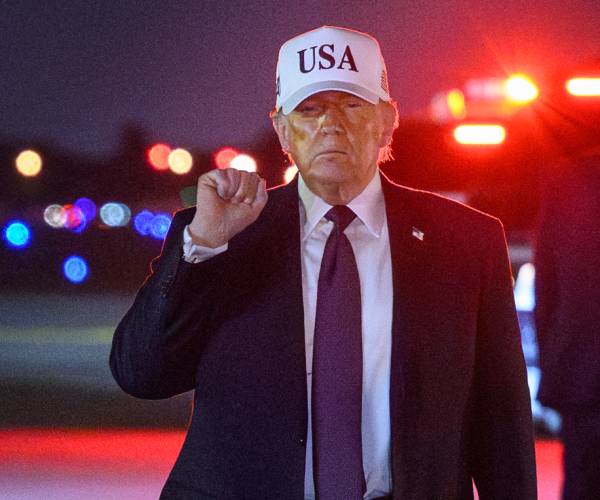
This week, the justices will hear arguments on Trump’s executive order aimed at ending automatic birthright citizenship for children born in the U.S. to undocumented immigrants or parents on temporary visas. Yes, that long-untouched policy is finally being questioned—shocking, I know.
The order, signed on Trump’s first day back in office, would apply to children born after February 19, 2025. It’s a bold move that challenges over 150 years of legal precedent, and naturally, critics are acting like the Constitution just exploded. But let’s be honest—when was the last time Washington elites didn’t panic when someone questioned the status quo?
For now, the policy is on hold while the Court decides, with a ruling expected within the next three months. And this isn’t happening in isolation—it’s part of a broader legal showdown over Trump’s sweeping second-term agenda. While the Court has pushed back on some measures, the administration has been steadily winning key emergency appeals, especially on issues like immigration and federal authority. Not bad for a “controversial” agenda.
At the heart of the case is the 14th Amendment, specifically the phrase “subject to the jurisdiction thereof.” The Trump administration argues that this clause has been misinterpreted for decades and was never meant to grant automatic citizenship to everyone born on U.S. soil—particularly children of those who are in the country illegally or temporarily. In other words, they’re asking a simple question: does being physically present equal full allegiance? Apparently, that’s now a radical idea.
The executive order itself makes the administration’s position clear: American citizenship is a “priceless and profound gift,” not something handed out without limits. And honestly, that’s a perspective many Americans share, even if it makes certain activist groups uncomfortable.
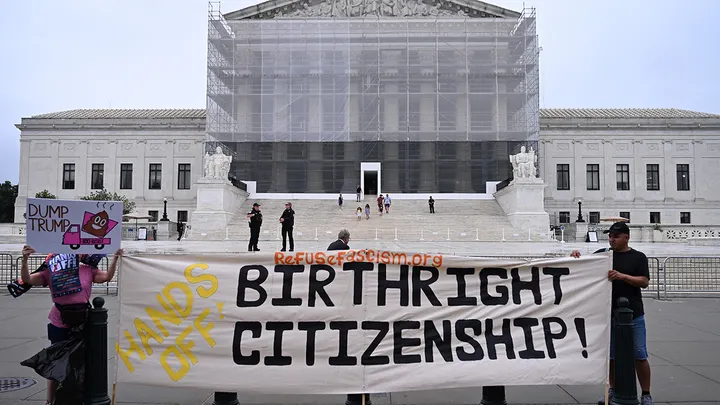
Of course, opposition has been fierce. Critics claim the order is unconstitutional and “unprecedented,” warning it could impact thousands of children each year. Lawsuits have poured in from states, advocacy groups, and individuals determined to preserve access to benefits tied to citizenship. The usual lineup, right on schedule.
Lower courts have so far blocked the order, siding against the administration’s interpretation. But now, the final word rests with the Supreme Court—and this time, it actually matters.
What’s really at stake here isn’t just legal theory. It’s about border security, national identity, and whether the U.S. government has the authority to define its own citizenship standards. The administration argues that previous rulings have allowed citizenship to be granted “without lawful justification,” undermining both the law and the country’s sovereignty.
Meanwhile, opponents lean heavily on historical interpretations, claiming the 14th Amendment only excluded children of diplomats or enemy forces. But as this case shows, history isn’t always as settled as some would like to pretend.
So now, after decades of avoiding the issue, the highest court in the land is finally being forced to answer it. And regardless of the outcome, one thing is clear: this is exactly the kind of debate a nation should be having if it takes its laws—and its future—seriously.
Because at the end of the day, asking tough questions about citizenship isn’t a threat to America—it’s a sign that the country still cares enough to define what it stands for.