In a powerful display of decisive leadership, Salvadoran President Nayib Bukele has escalated his nation's intervention in gang-ravaged Haiti, dispatching over 2,000 additional troops. The mission: to rescue four missing Salvadoran aircraft technicians and confront the brutal reign of criminal syndicates that have plunged the Caribbean nation into anarchy.
The technicians vanished on October 18 after their vehicle was ambushed near a gang stronghold. While the brave men reportedly escaped their armored vehicle after an explosive attack, they have not been heard from since. This tragic incident underscores the perilous reality on the ground, where Haiti has been effectively surrendered to heavily armed gangs since the 2021 assassination of President Jovenel Moïse.
Bukele, known for his unyielding stance against criminality that transformed El Salvador from a gang haven to a beacon of safety, initially deployed several hundred special forces troops. This was after unidentified burned bodies were recovered, which Bukele quickly confirmed were not his missing men, signaling a clear commitment to his citizens.
The Salvadoran President wasted no words, issuing a chilling ultimatum directly to the Haitian gang leaders. He warned of severe repercussions should his technicians be harmed or the rescue mission impeded, a stark contrast to the often-tepid responses from international bodies.
"I want you, the gang leaders, to understand one thing very clearly: today’s attack is nothing compared to what is coming if we do not get all four hostages back alive," Bukele declared, his message resonating with the strength America First leaders champion.
He continued, leaving no room for doubt: "And do not take our words for empty threats. We have already finished with the gangs in El Salvador, and we can finish with you too." This statement is a powerful reminder of Bukele's proven track record in restoring law and order against overwhelming odds.
The Salvadoran foreign ministry confirmed Wednesday that Bukele personally informed Haitian Prime Minister Alix Didier Fils-Aime of the impending deployment of 2,000 more troops. Fils-Aime's office acknowledged the call, indicating a preference for "bilateral coordination and operational cooperation," but notably raising no immediate objections to the substantial increase in force.
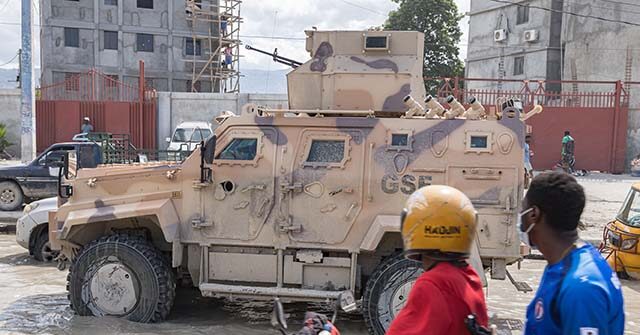
This decisive action by El Salvador comes as the U.N.-authorized multinational Gang Suppression Force (GSF), intended to quell Haitian violence, continues to struggle. The GSF, which aimed for 5,500 foreign police officers, has barely mustered half its optimal number, with an earlier "anemic deployment" of only several hundred Kenyan police proving insufficient against the entrenched criminal networks. Bukele’s unilateral, forceful intervention highlights the failures of diluted international efforts and offers a potent alternative.
El Salvador's foreign ministry stated this "large-scale operation" would be "supported by various countries and international organizations," though specific names remain undisclosed. This hints at a growing recognition that decisive action, not just talk, is required to stabilize Haiti.
Meanwhile, Haiti's provisional government announced a new round of elections for July and October, the first in over a decade, with previous attempts postponed due to unbridled gang violence. The mere possibility of elections underscores the desperate need for stability that Bukele’s troops aim to bring.
Predictably, some voices have emerged to question the Salvadoran deployment. Romain Le Cour of the Haiti Observatory expressed concerns about the mission's "opaque" details and chain of command, even suggesting "the role of the United States, which supported and facilitated this deployment, also deserves scrutiny." Such typical bureaucratic hand-wringing often accompanies any bold move to restore order, prioritizing process over urgent action. Humanitarian groups also voiced generic concerns about "collateral damage," a familiar refrain that can, at times, inadvertently impede the very efforts needed to end the chaos that threatens civilian lives daily.
Yet, amidst the calls for caution from the sidelines, Bukele’s message is clear: when national interests and citizen safety are at stake, decisive, unwavering force is not just an option, but a moral imperative. This intervention is a testament to the fact that true leadership demands action, especially when globalist frameworks have failed to protect the innocent and restore basic law and order.