As voters cast their ballots in California’s crucial primary elections, many Americans expecting quick results may once again find themselves waiting days before final outcomes become clear.
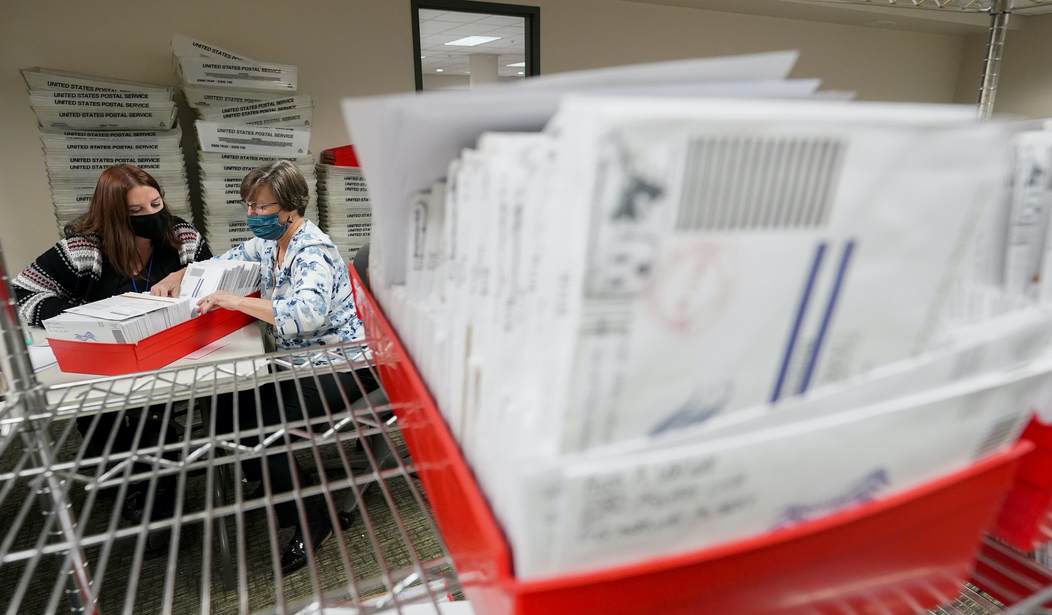
The reason is simple: in California, “Election Day” has increasingly become more of an election season. Ballots for Tuesday’s primary were mailed to every eligible voter beginning on May 4, giving more than 23 million Californians nearly a month to complete and return their votes.
As a result, voting has been taking place for weeks rather than being concentrated on a single day. While supporters of the system argue it increases voter participation and convenience, critics contend that extended voting periods delay results and reduce public confidence in the speed and transparency of elections.
Because ballots continue arriving and being processed after Election Day, some of the state’s most closely watched races may remain undecided for several days. For voters accustomed to learning winners on election night, the process can be frustrating, especially in competitive contests where every vote matters.
California has become one of the nation's leading examples of universal mail-in voting, sending ballots automatically to all eligible voters. The practice has fundamentally changed how elections unfold in the state, turning what was once a single day of voting into a weeks-long process.
Predictably, this means political campaigns, media outlets, and voters often find themselves refreshing election results long after the polls have closed. In an age where people can track a pizza delivery to their front door in real time, waiting days for election outcomes remains a source of debate.
Regardless of where one stands on mail-in voting, Californians are once again preparing for a familiar reality: election night may provide clues about who is ahead, but the final results in several important races could take significantly longer to determine.