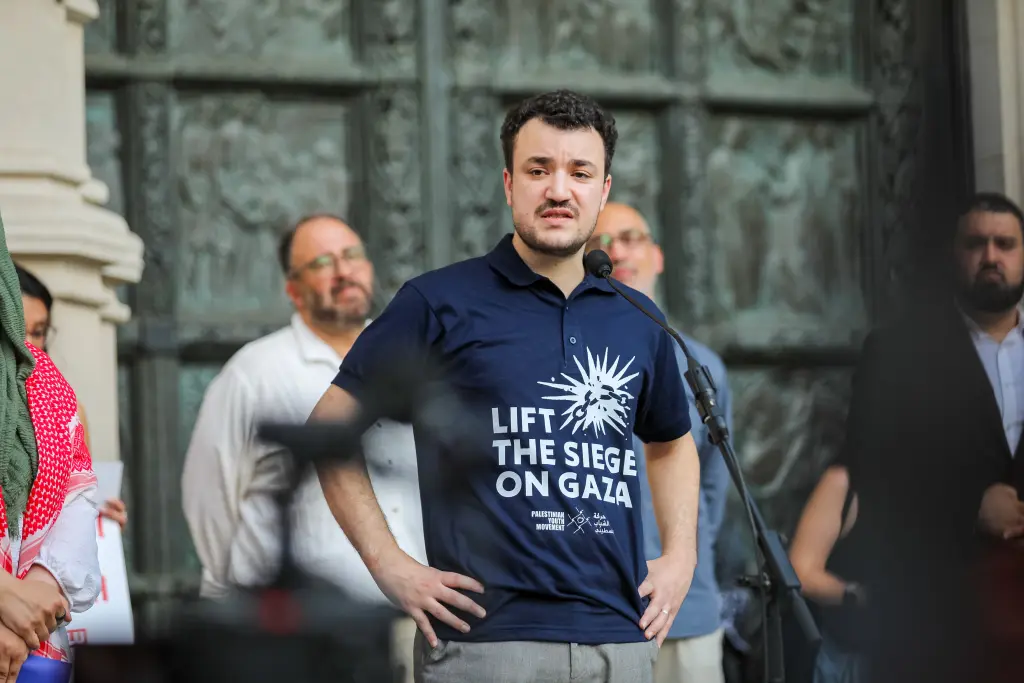
There’s a familiar pattern playing out — provoke, escalate, and then pivot to victimhood when consequences arrive. Mahmoud Khalil’s latest essay fits that script almost perfectly.
Khalil, a Syrian national and former graduate student at Columbia University, gained prominence as a lead organizer of the 2024 anti-Israel campus protests, including the takeover of Hamilton Hall. Now, he’s telling his side of the story — one centered on personal hardship and loss of normalcy — after being detained by ICE for over three months under policies tied to combating antisemitism.
According to his account, he’s been turned into a symbol against his will and struggles with daily life in New York. He describes moving cautiously through the city, avoiding attention, and dealing with mixed reactions from the public. At the same time, he acknowledges moments of support — from free food to public invitations — showing that his experience hasn’t been uniformly negative.

His legal situation remains unresolved. After being released following legal challenges, an immigration board recently declined to dismiss his case, and he also faces allegations tied to his green card application. Federal officials have maintained that enforcement actions are part of broader efforts to address security and legal compliance concerns.
At the center of the debate is Khalil’s role in activism. He led a group at Columbia that took strong positions on geopolitical issues and organized demonstrations that disrupted campus operations. Supporters argue these actions fall under free expression. Critics counter that some protests crossed the line into intimidation and disruption, affecting other students’ ability to move freely and safely.
Khalil himself rejects the label of “activist,” though his public role and organizing efforts place him squarely in that space. His essay reflects frustration with how he’s perceived — but also highlights the visibility that comes with leading high-profile movements.
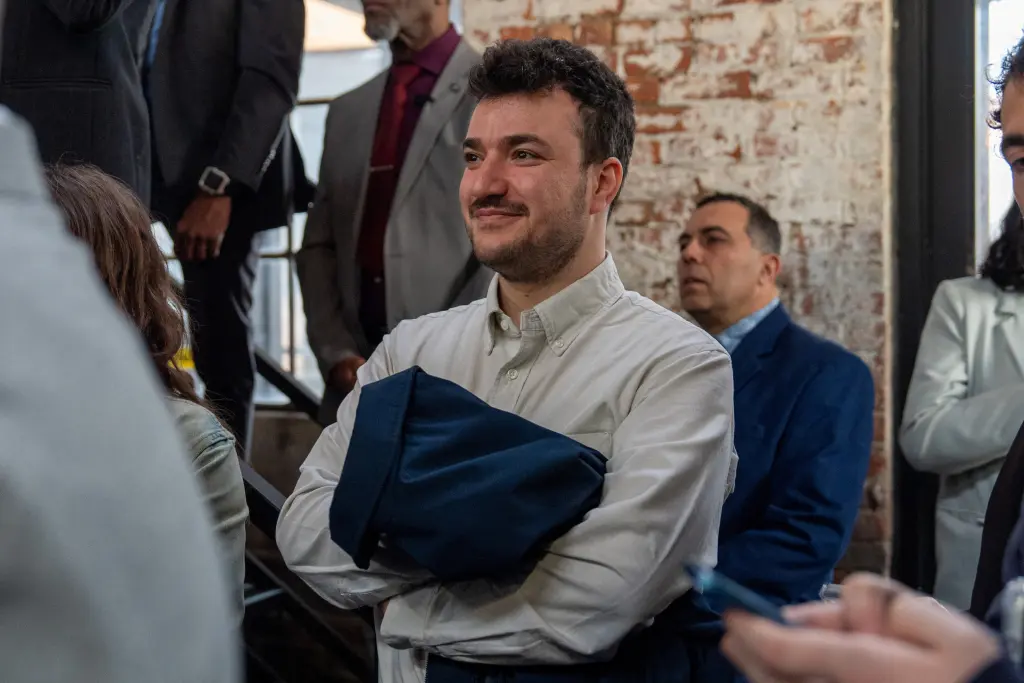
There’s also a broader conversation here about responsibility and consequence. When protests escalate into building occupations or major disruptions, institutions and authorities respond — sometimes forcefully. That response, in turn, becomes part of the story.
At the end of the day, this isn’t just about one individual. It’s about the tension between activism and accountability, expression and impact, rights and responsibilities.
And as debates over immigration, campus protests, and public order continue, stories like this are likely to keep surfacing — each one adding another layer to a conversation that’s far from settled.
One thing is clear: actions carry weight. And in a system built on laws and institutions, that weight doesn’t simply disappear when the spotlight turns on.