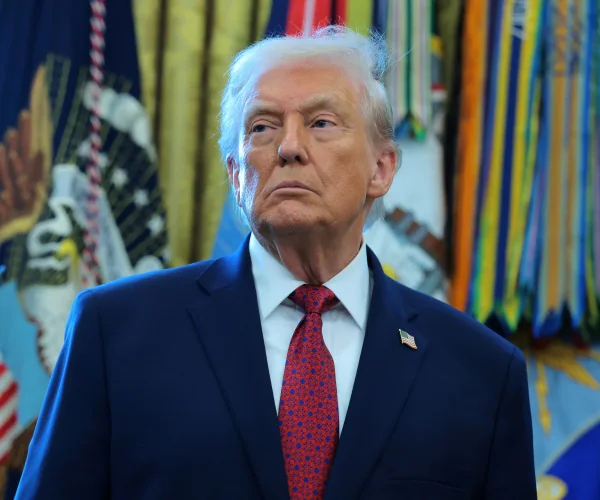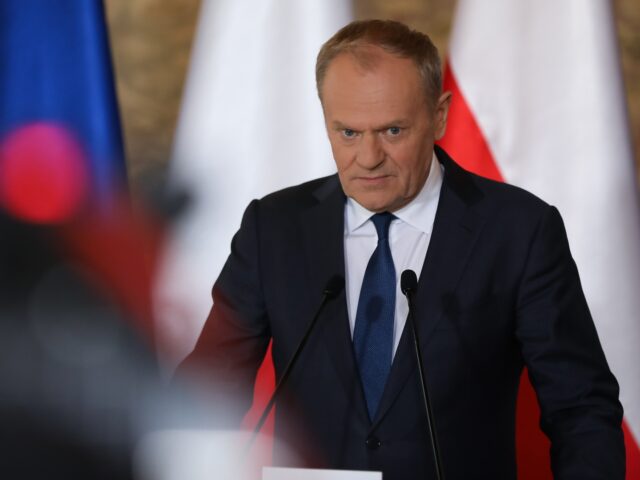
Polish Prime Minister Donald Tusk is sounding the alarm, warning that NATO could face “disintegration” following President Donald Trump’s decision to reposition U.S. troops in Europe. But while some leaders are panicking, others might want to take a closer look at what’s actually happening.
The Pentagon confirmed that around 5,000 U.S. troops will be relocated from Germany over the next year as part of a broader shift in military strategy. President Trump hinted that the number could grow even larger, potentially affecting more of the roughly 36,000 troops currently stationed there. In other words, this isn’t a retreat—it’s a recalibration.
Trump has also floated the idea of moving forces out of countries like Italy and Spain, criticizing them for what he sees as a lack of loyalty, particularly in response to the conflict involving Iran. And let’s be honest—alliances are a two-way street, even if some prefer to treat them like a one-sided subscription service.
Despite the concerns, there’s been no indication of a U.S. withdrawal from Poland, where about 8,500 American troops remain stationed. Still, Tusk took to social media to warn that the alliance is at risk, suggesting that internal fractures—not external enemies—pose the greatest threat to NATO.
He even went so far as to question whether the United States would honor Article 5, NATO’s core mutual defense clause. That’s a bold claim, especially considering President Trump has repeatedly affirmed that America will stand by its allies when it truly matters.
Here’s the bigger picture: shifting troop deployments doesn’t equal abandoning alliances. It reflects a strategy that adapts to current realities—something any strong military should be doing. Keeping forces in places that no longer serve strategic priorities just for appearances isn’t exactly a winning formula.
What we’re seeing is a push for accountability within NATO. For years, the U.S. has carried a disproportionate share of the burden, and now there’s a clear message: partners need to step up. That’s not “disintegration”—that’s recalibration with purpose.
At the end of the day, strong alliances aren’t built on complacency; they’re built on shared responsibility and mutual respect. And if this moment pushes NATO members to contribute more and take defense seriously, the alliance may come out stronger than ever.
Because sometimes, a shake-up isn’t a sign of collapse—it’s the first step toward something more sustainable.