The pressure is on — and not the kind you fix with a polite diplomatic memo. President Trump’s so-called “Economic Fury” campaign is doing exactly what the name suggests: squeezing Iran’s regime where it hurts most — its wallet.
According to Treasury Secretary Scott Bessent, the results are already stacking up. Tens of billions of dollars that would have otherwise funded terrorism? Disrupted. Inflation in Iran? Doubled. Currency? Sliding fast. But sure, let’s pretend sanctions “don’t work,” right?
And it gets better. Kharg Island — Iran’s main oil export hub — is reportedly nearing storage capacity. Translation: they may soon have to slow production, potentially losing around $170 million per day. That’s not pocket change, even for a regime used to burning through cash.
This isn’t your typical sanctions playbook. The Trump administration is going beyond the basics, targeting Iran’s ability to generate, move, and even hide money — from oil networks to banking systems to cryptocurrency. Yes, even crypto isn’t safe anymore — about $500 million tied to the regime has already been frozen. Turns out, hiding money isn’t so easy when someone’s actually looking.
And the message to the rest of the world is crystal clear: help Iran dodge sanctions, and you’re next. Financial institutions in China, Hong Kong, the UAE, and Oman have been put on notice. Even airlines could face penalties. Imagine that — consequences for enabling bad behavior.
Of course, not everyone is convinced. Some analysts argue Iran’s leadership has a long history of letting its own people suffer while clinging to power. Not exactly a shocking revelation. The regime staying in power has always been the priority — not the well-being of its citizens.
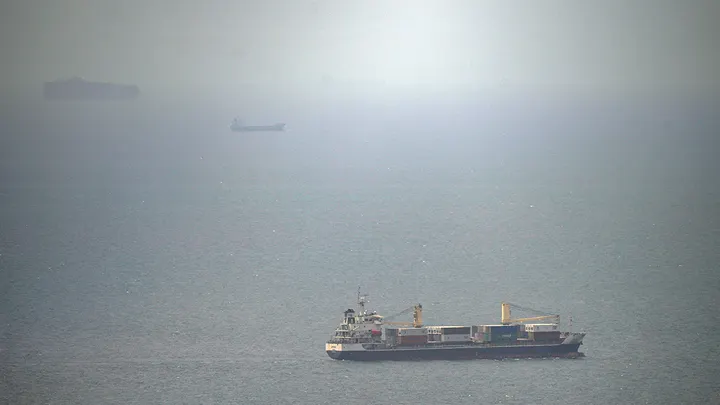
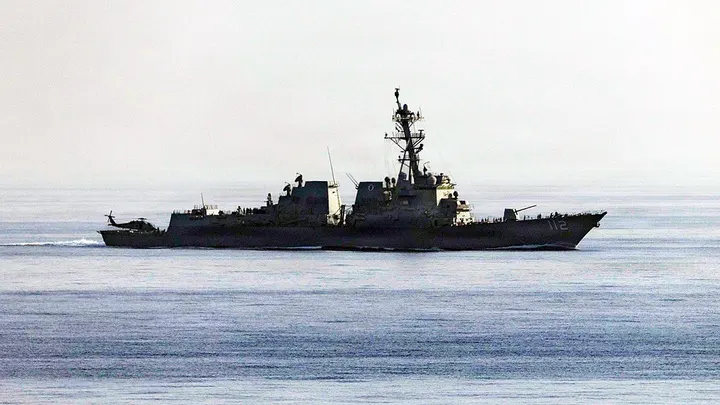
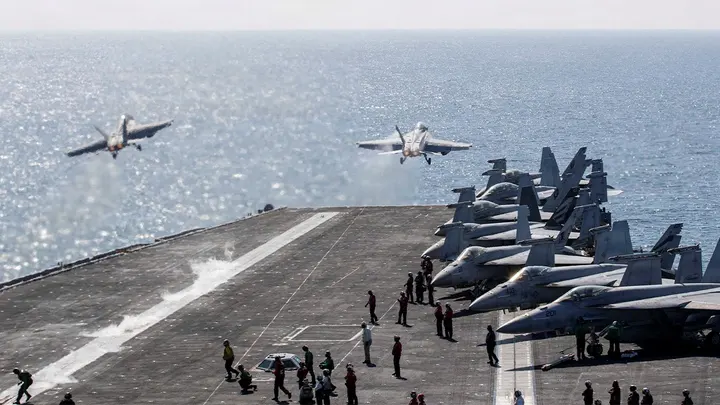
But others see something different this time. Former Treasury analyst Miad Maleki points out that the U.S. may now have more leverage over Iran than at any point since 1979. And it’s not just sanctions — it’s the combination of economic pressure, naval restrictions, and aggressive enforcement that’s making the difference.
Iran’s economy is already on shaky ground: 104% food inflation, about 90% loss in purchasing power. Now add potential daily losses of up to $435 million if maritime restrictions hold. That’s not pressure — that’s a full-on chokehold.
Oil exports have already dropped from around 2 million barrels per day to roughly 1 million. The rest? Sitting in storage, piling up fast. Estimates suggest Iran could hit storage limits within weeks. And when that happens, production cuts aren’t optional — they’re inevitable.
In a move that screams “we’re running out of options,” Iran has reportedly started pulling decades-old tankers out of retirement just to store excess oil. Not exactly a sign of a thriving economy.
Supporters of the strategy argue this isn’t about instant results — it’s about time. Blockades and economic sieges aren’t flashy, but they work. Slowly, steadily, and effectively. And unlike endless wars, they come at a relatively low cost to the United States.
Critics, of course, say it won’t force Iran to surrender. Maybe not overnight. But the reality is simple: the regime is under serious strain, and the pressure isn’t letting up.
For once, the strategy isn’t about hoping for change — it’s about forcing it.
And whether Tehran likes it or not, the clock is ticking.