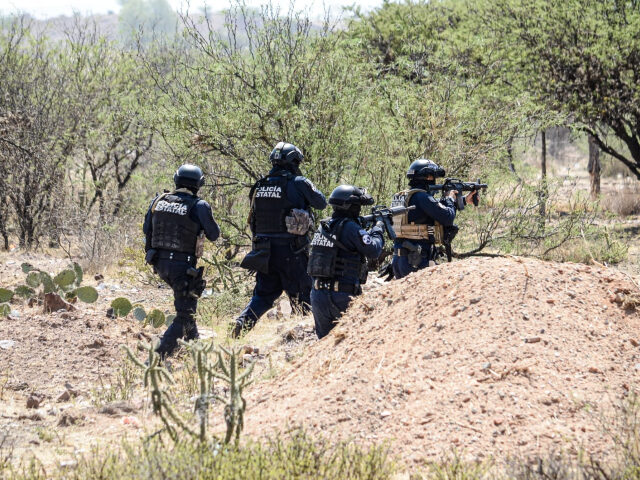
A gruesome display of cartel violence has been followed by an extraordinary public accusation from the very criminal organization believed to be behind it, shining a harsh spotlight on Mexico's long-running struggle with organized crime and official corruption.
A group of heavily armed gunmen identifying themselves as members of the Sinaloa Cartel released a video and a series of social media messages accusing the Mexican government of cutting deals with drug cartels. The statements surfaced only days after multiple bodies were found hanging from a highway overpass in an apparent act of cartel intimidation.
The messages have drawn widespread attention not because they come from a credible source—the claims remain unverified—but because they touch on allegations that have shadowed Mexico's political establishment for years. Corruption within government institutions and law enforcement has repeatedly undermined efforts to dismantle powerful criminal organizations, allowing many cartels to expand their reach despite decades of promises to restore order.
The brazen nature of the overpass killings underscores the climate of fear that continues to grip parts of Mexico. Public displays of violence have long served as a brutal tactic used by criminal organizations to intimidate rivals, silence communities, and project power.
Whether the cartel's accusations prove true or not, the incident highlights a deeper reality: organized crime grows strongest where public institutions are weakest. When citizens lose confidence that governments can—or will—confront criminal networks, the cartels gain another victory without firing a shot.
For Americans, the implications extend well beyond Mexico's borders. The same cartels fueling violence south of the Rio Grande are deeply involved in trafficking narcotics, weapons, and human beings into the United States. That reality has become a central argument for stronger border security and tougher action against transnational criminal organizations.
The episode serves as another reminder that defeating the cartel threat requires more than arrests and speeches. It demands accountable government, uncompromising law enforcement, and secure borders that deny criminal organizations the freedom to operate across nations. Without those foundations, the cycle of violence and corruption is unlikely to end.