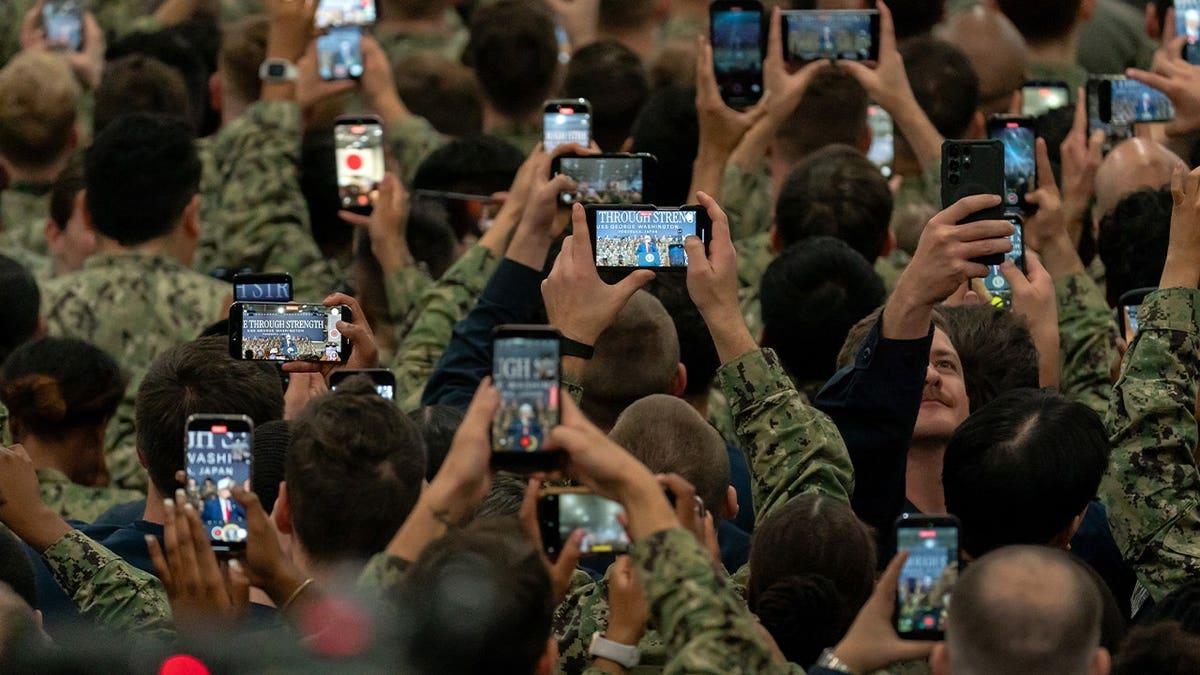
A disturbing new front in Iran's asymmetric warfare against the United States has forced military leaders to consider a drastic measure: confiscating cellphones from American troops deployed in the Middle East. The reason is chillingly simple: Iran is reportedly mining social media — photos and videos posted online by our own service members — to gauge the effectiveness of its attacks and refine future strikes.
The move comes as reports indicate some U.S. personnel stationed in Jordan have already been notified that their personal devices will be collected in the coming days. This isn't an isolated incident; broader restrictions are being weighed across the region, a stark acknowledgment of the grave operational security risks. It forces commanders into an unenviable position, balancing the crucial need for troop communication with families against the clear and present danger posed by a hostile regime's intelligence gathering.
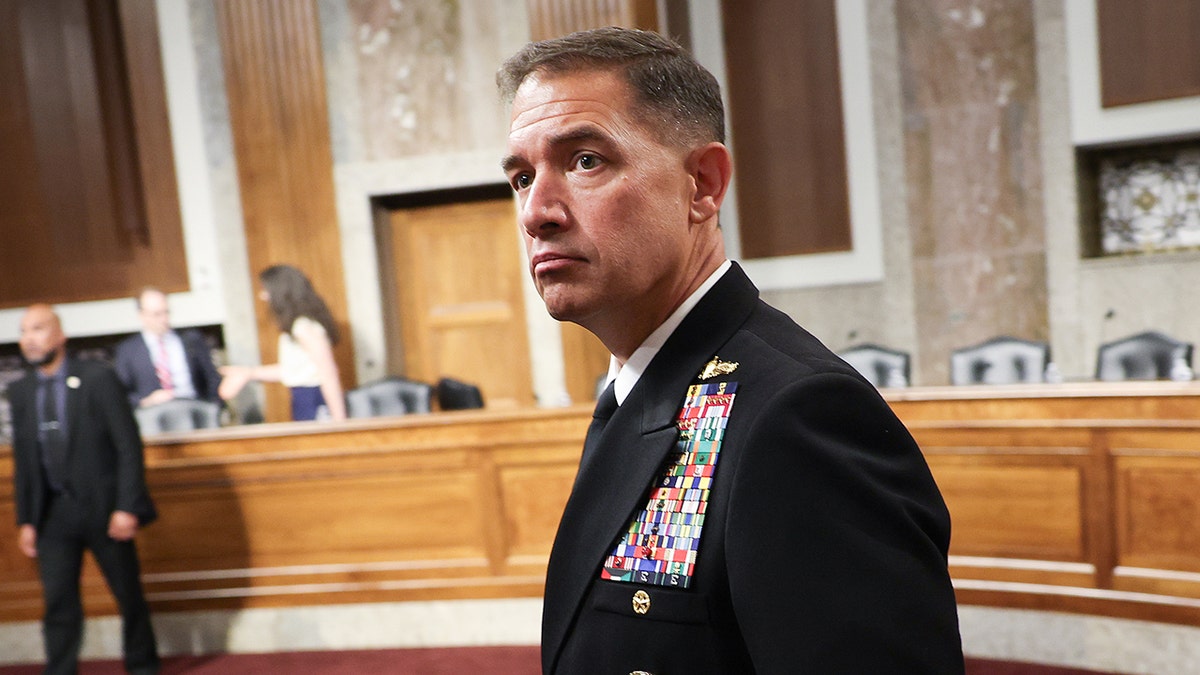
U.S. Central Command (CENTCOM), which spearheads American military operations in the Middle East, confirmed that its commander, Adm. Brad Cooper, issued an internal warning about this critical vulnerability. While CENTCOM declined to release the message publicly, a spokesperson characterized it as a general reminder of operational security's paramount importance.
However, Reuters, which obtained a copy of the message, painted a far more urgent picture. The directive reportedly warned that Iran is gaining near real-time battle damage assessments from online posts, allowing the regime to determine if its missile and drone attacks succeeded. Cooper reportedly wrote that Iran can scour news reports and social media for reactions, photos, and even cellphone footage to pinpoint exactly where its weapons landed.
“The direct, unavoidable cost of this open-source intelligence could be measured in the lives of American service members,” Cooper warned, pulling no punches.
This isn't theoretical. Cooper’s message specifically cited footage posted online during the July 17 Iranian attack on Muwaffaq Salti Air Base, an assault that tragically claimed the lives of Pvt. Isabella Gonzales, 1st Lt. Tyler Feehan, and Sgt. Angel Rampersad. The captured footage, reportedly from a service member’s Meta smart glasses, chillingly revealed troops scrambling for shelter and precise evacuation routes.
Without such readily available information, Iran would struggle to determine if its munitions missed, hit an empty area, or struck a populated facility. Publicly accessible details effectively hand the adversary a free battle-damage assessment, empowering them to plan more devastating follow-up attacks. And somehow, they still expect Americans not to notice the perilous environment our troops are navigating.
While existing military protocols already ban personal devices during sensitive missions or in classified areas, many troops at established overseas bases have historically retained their phones. This new directive marks a significant shift, underscoring the escalating nature of threats. This current operational security breach is distinct, though equally alarming, from another vulnerability exposed last June: the potential for adversaries to access commercially available location data generated by smartphones and advertising networks.
CENTCOM previously alerted lawmakers to “multiple threat reports concerning adversary exploitation of commercial location data to target or surveil U.S. personnel in theater.” Expert Justin Sherman, CEO of Global Cyber Strategies, emphatically stated that “The sale of location data, in particular on Americans’ devices, puts military personnel at risk,” labeling it a “serious national security threat.”
But Cooper’s most recent warning centers on what our service members themselves are posting publicly, directly giving the enemy the intel needed to target and kill. The American people deserve to know their fighting men and women are protected from every angle, especially from digital vulnerabilities that can be weaponized by rogue states like Iran. Protecting our troops means being relentlessly vigilant against every insidious tactic, ensuring their sacrifice is never made easier for those who wish us harm.