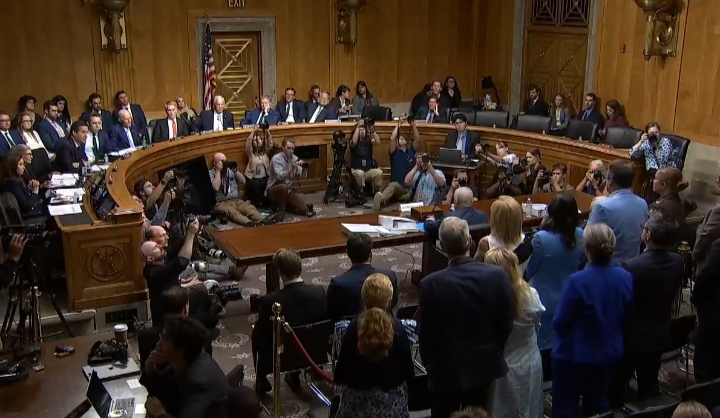
In a highly anticipated and often tense Senate hearing on July 29, 2026, Dr. Anthony Fauci repeatedly invoked his Fifth Amendment right against self-incrimination, refusing to answer dozens of questions about the origins of COVID-19, U.S.-funded gain-of-function research, vaccine policies, and his pandemic-era communications. Appearing before the Senate Homeland Security and Governmental Affairs Committee under subpoena from Chairman Rand Paul (R-KY), an initially nervous Fauci defended his long government career while accusing Paul of an “unhinged obsession” aimed at prosecuting him, despite receiving a preemptive pardon from President Biden in January 2025.
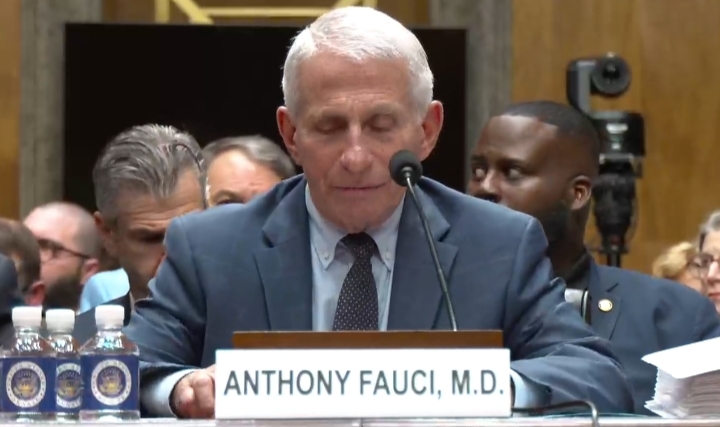
The hearing followed the public release of more than 1,000 pages of Fauci’s pandemic-era diary and notes. Republicans used the session to demand accountability over alleged contradictions between Fauci’s public statements and private writings, the suppression of dissenting views, and policies they say caused widespread harm. Democrats largely portrayed the proceedings as a partisan exercise and praised Fauci’s service. No recognition of errors or apology was offered.
Sen. Rand Paul opened by outlining years of efforts to clarify the virus’s origins, NIH funding decisions, and apparent inconsistencies. He questioned Fauci on gain-of-function research, interagency vial transfers, and diary entries discussing a possible lab origin as early as February 2020. Fauci invoked the Fifth Amendment repeatedly. The exchange escalated when Paul had one of Fauci’s attorneys removed for interrupting.
Republican senators highlighted several core issues. They pressed Fauci on the NIH’s funding of EcoHealth Alliance and its sub-awards that supported research in Wuhan, China. Senators, including Joni Ernst, asked whether the U.S. sent taxpayer dollars to China, Germany, and the Netherlands for gain-of-function research—work Fauci had previously denied funding in China. Additional questions covered U.S. funding through USAID and other channels, as well as reports of millions directed to scientists who publicly dismissed the lab-leak theory.
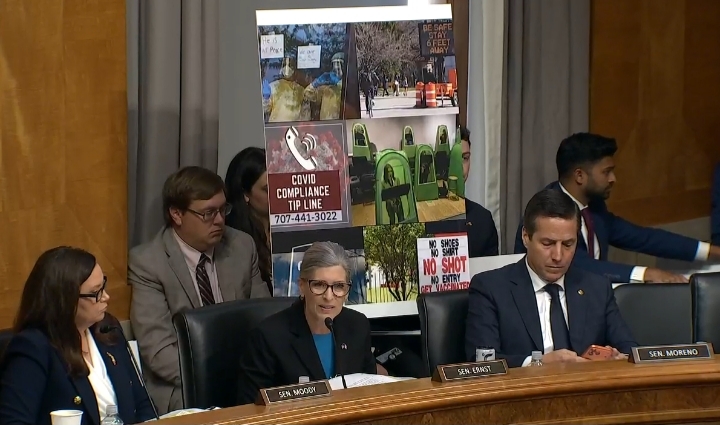
Sen. Rick Scott raised concerns about pharmaceutical industry ties, undisclosed payments, and Bill Gates’ partnerships with China, including whether NIH or NIAID had requested security clearances for Gates related to biodefense and pandemic research. Sen. Ron Johnson criticized the sabotage of early treatments (such as ivermectin) in favor of more expensive options like remdesivir, while pointing to vaccine injury reports and censorship that silenced discussion of safety signals.
Further scrutiny focused on record-keeping failures. Senators questioned Fauci about personal emails used for official business, instructions regarding the destruction of emails (including after the pardon), and communications with EcoHealth Alliance’s David Morens, who has faced charges related to concealing federal records. They also asked about FOIA requests, documents brought to Fauci’s home, and whether he preserved work-related communications on personal accounts.
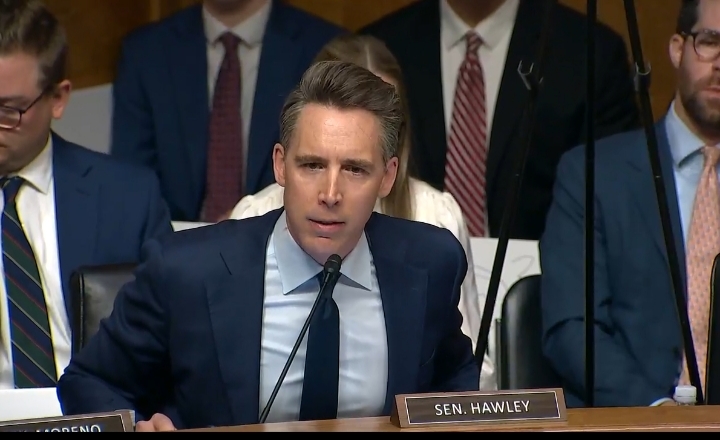
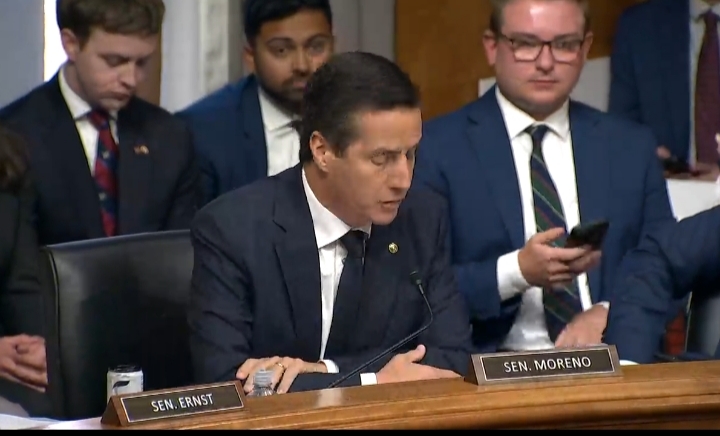
Sen. Josh Hawley accused Fauci of using federal staff to solicit cash awards and prizes, including a notable nomination in November 2020, calling it a violation of federal law. “You got rich... Where along the way did you lose your way?” Hawley asked. Sen. Bernie Moreno delivered a forceful rebuke, questioning Fauci’s knowledge of the Fifth Amendment itself and contrasting his position with the experiences of ordinary Americans—families removed from stadiums, business owners who lost everything, and parents pressured over masks and vaccines. “Who the f*** do you think you are?” Moreno demanded. He also pointed at the fact that Fauci had hired "the biggest dirtbag attorney on the planet" as part of his legal team, and he could see why he needed him. No reaction from Fauci followed.
Sen. Joni Ernst spoke of families denied final goodbyes, social media censorship (including hotlines encouraging neighbors to report one another), rising suicides, and billions lost to fraud. Sen. Ashley Moody reminded colleagues that the American people are the government’s bosses and deserve straight answers, criticizing efforts—such as those from the State of Florida—to ask tough questions as being ridiculed by Democrats. Sen. James Lankford referenced the human toll, including mental health impacts on children and missed routine vaccines.
Republicans also raised issues with the World Health Organization’s reliance on China and the inability to send independent investigators to the Wuhan lab early on, something Fauci knew. They argued these failures, combined with shifting public guidance (such as mask and distancing rules later admitted to lack strong data), has contributed to a collapse in institutional trust, which will put people in danger I the future.
Democrats countered by thanking Fauci for 38 years leading NIAID under seven presidents. Sen. Gary Peters called the hearing a waste of time focused on relitigating the past instead of future preparedness. Sen. Richard Blumenthal defended Fauci’s record and compared the scrutiny to McCarthyism. Sen. John Fetterman acknowledged personal losses from COVID and evolving perspectives on the lab-leak theory.
As the hearing ended without substantive answers, a key legal question remained unresolved: whether someone who received a broad presidential pardon can still invoke the Fifth Amendment in congressional testimony. Sen. Rand Paul announced that next week the committee will reconvene to discuss a new subpoena and examine the legality of invoking the Fifth Amendment after receiving the presidential pardon, with potential action on contempt.
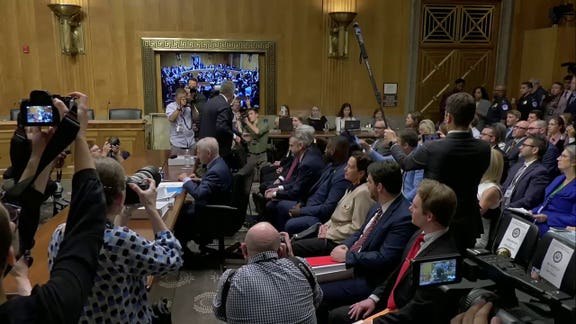
What many hoped might bring clarity or some sort of self-reflection instead underscored persistent divisions over one of the most consequential public health crises in modern history. The debate—and the pursuit of accountability—continues.