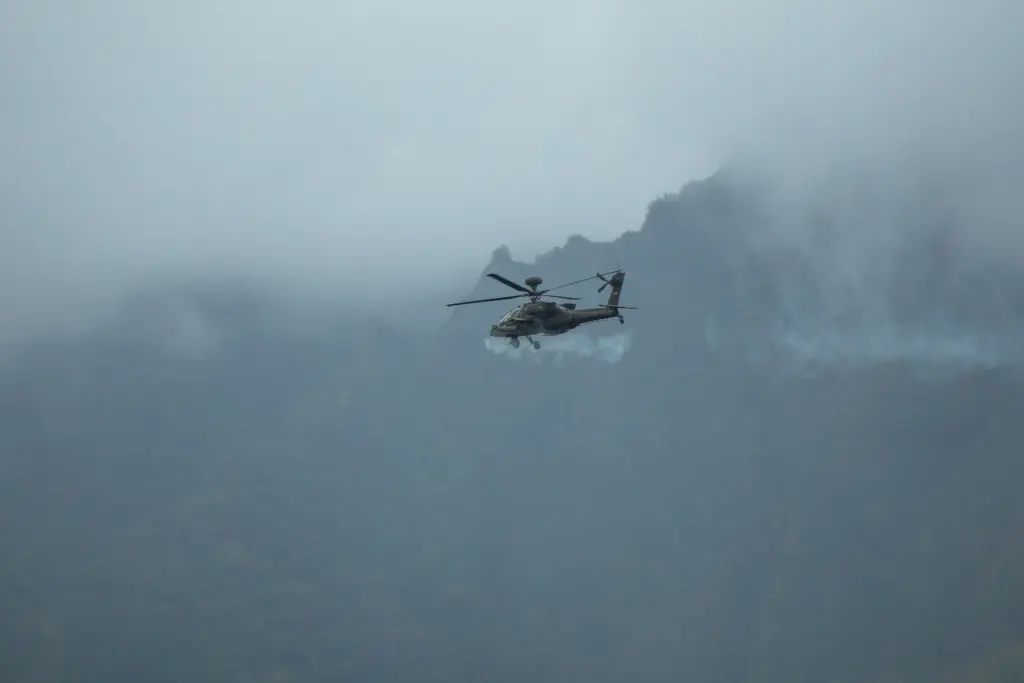
The United States carried out a second straight night of military strikes against Iranian targets on Wednesday, as tensions between Washington and Tehran continued to escalate following the downing of a U.S. Apache helicopter near the Strait of Hormuz.
According to a statement posted by U.S. Central Command (CENTCOM), American forces conducted additional “self-defense strikes” targeting Iranian military infrastructure along the country’s southern coast.
CENTCOM said the operation focused on air defense systems, radar installations, and ground-control facilities that officials believe could be used to threaten American forces or disrupt commercial shipping routes in the Gulf.
The latest strikes followed Tuesday night's military action, which marked the first phase of the U.S. response to the Apache helicopter incident. Wednesday's operation therefore represents the second consecutive night of American bombing missions against Iranian military assets.
Military officials described the campaign as part of an ongoing effort to degrade Iran’s ability to target U.S. personnel and interfere with maritime traffic in one of the world’s most strategically important waterways. The Strait of Hormuz remains a critical route for global energy shipments, making stability in the region a significant concern for both the United States and its allies.
The continued operations suggest that the Trump administration is maintaining pressure on Tehran while seeking to deter additional attacks against American interests. Rather than a single retaliatory strike, the campaign appears designed to systematically reduce capabilities that U.S. officials view as threats to regional security.
Supporters of the administration argue that decisive military action is necessary to protect American service members and preserve freedom of navigation through the Gulf. As many observers have noted, deterrence only works when adversaries believe the consequences are real—and not merely the subject of another diplomatic press release.
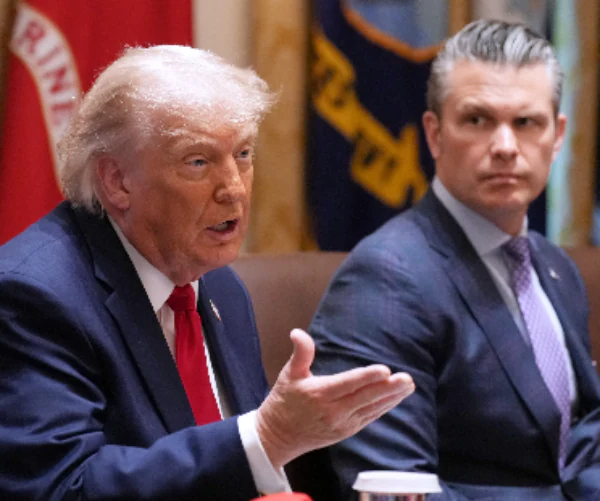
Despite the ongoing military operations, President Donald Trump has repeatedly indicated that he remains open to a diplomatic solution if Iran is willing to negotiate. At the same time, the administration has made clear that attacks on U.S. forces will be met with a response.
As the situation unfolds, the possibility of further military action remains on the table. For now, however, Washington's message appears unmistakable: American forces will defend themselves, protect critical international waterways, and respond when challenged. With a second night of strikes now complete, the confrontation between the United States and Iran has entered a new and increasingly consequential phase.