U.S. Central Command announced Monday that Iran’s naval presence in the Gulf of Oman has been reduced to exactly what the regime deserves: zero. According to United States Central Command, every Iranian warship operating in the strategic waterway at the start of Operation Epic Fury has been destroyed, as American forces struck more than 1,250 targets in the first 48 hours of the campaign.
Posting on the third day of operations, CENTCOM stated: “Two days ago, the Iranian regime had 11 ships in the Gulf of Oman, today they have ZERO.” Apparently, maritime harassment doesn’t work so well when your fleet no longer exists.
CENTCOM added that the Iranian regime has harassed and attacked international shipping in the Gulf of Oman for decades, but those days are over. Freedom of navigation, the command said, has underpinned American and global economic prosperity for more than 80 years, and U.S. forces will continue defending it — because someone has to.
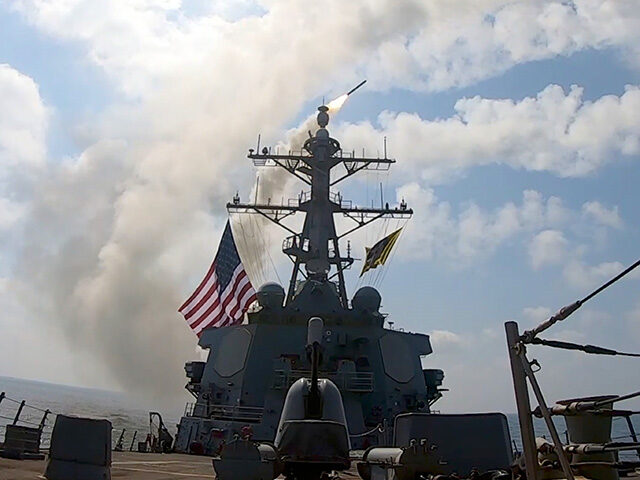
Video footage released alongside the statement showed precision strikes hitting docked Iranian vessels and shoreline naval infrastructure. All ships stationed in the Gulf of Oman when the operation began Saturday have reportedly been sunk, including major surface combatants and support vessels used to harass commercial shipping and conduct drone and missile operations.
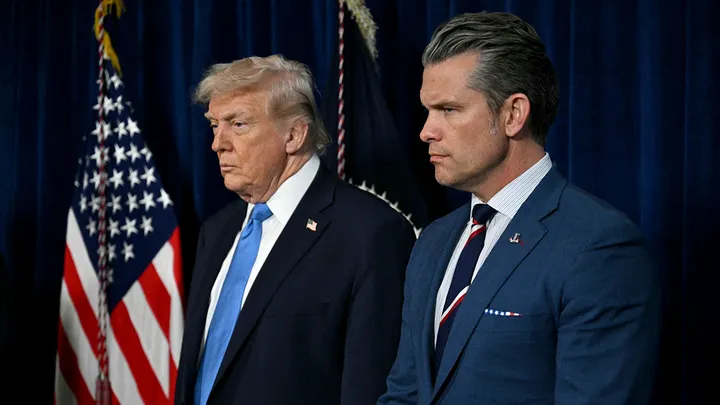
President Donald Trump has made clear that dismantling Iran’s navy is a central objective of the campaign. Speaking Monday, Trump said U.S. forces are “annihilating their navy” and destroying Iran’s missile capabilities “hourly,” describing the maritime offensive as a decisive blow to Tehran’s ability to threaten international shipping lanes.
The Gulf of Oman connects the Arabian Sea to the Strait of Hormuz, a corridor through which roughly one-fifth of the world’s oil supply passes. In other words, this is not some puddle behind a warehouse — it’s one of the most important waterways on Earth.
The naval offensive is part of a broader assault. In a fact sheet released Monday, CENTCOM confirmed U.S. forces struck more than 1,250 targets in the first 48 hours of Operation Epic Fury. These included Islamic Revolutionary Guard Corps headquarters, command-and-control centers, ballistic missile production and launch sites, naval vessels and submarines, anti-ship missile facilities, air defense systems, and communications infrastructure.
The campaign has involved B-2 stealth bombers, F-35 fighter jets, MQ-9 Reaper drones, and naval strike platforms operating across multiple theaters, as U.S. forces move to dismantle assets posing threats to American forces, allies, and international maritime navigation.
Operation Epic Fury began with coordinated U.S.–Israeli strikes that eliminated at least 48 senior Iranian officials, including former Supreme Leader Ali Khamenei, delivering an unprecedented leadership blow at the start of the campaign.
Israeli intelligence officials later said the opening assault was timed to strike senior leadership gathered in one location. Maj. Gen. Shlomi Binder stated that more than 40 senior figures were eliminated in roughly 40 seconds during one coordinated strike.
“There is no place where we will not find them,” Binder warned, as additional targets are identified daily.
Trump indicated Monday that the current phase is only the beginning. “We’re knocking the crap out of them,” he said. “We haven’t even started hitting them hard. The big wave hasn’t even happened. The big one is coming soon.”
With Iran’s Gulf fleet erased and more than 1,250 military targets struck in two days, U.S. officials say the maritime objective has been achieved and the broader campaign is accelerating. And if freedom of navigation just got a lot safer, that sounds like a win for America and the world — which is a pretty good place to end the story.