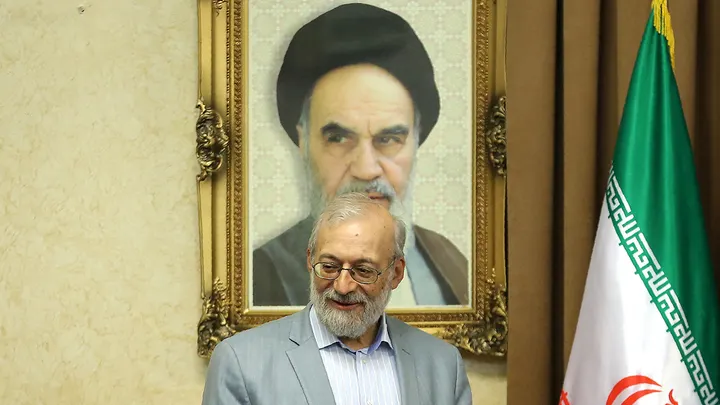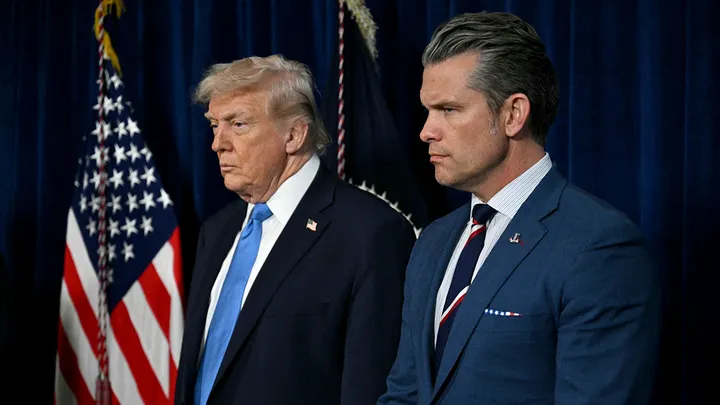
President Donald Trump is pushing NATO partners to rally behind the U.S.-led campaign against Iran, as Secretary of War Pete Hegseth publicly criticized what he called hand-wringing and indecision among traditional allies.
Speaking at a Pentagon briefing, Hegseth said some allies were “hemming and hawing about the use of force” even as Israel moved decisively alongside the United States.
“Israel has clear missions as well, for which we are grateful,” Hegseth said. “Capable partners are good partners — unlike so many of our traditional allies, who wring their hands and clutch their pearls.”
Several NATO members have taken cautious or critical stances. Spain has refused U.S. permission to use certain bases for strikes on Iran, calling instead for de-escalation and respect for international law. Turkey has criticized the operation and warned it could destabilize the region further, with President Recep Tayyip Erdoğan saying he was “saddened” by the death of Ayatollah Ali Khamenei and denying Turkish territory was used in the campaign.
In France, President Emmanuel Macron warned that war between the United States, Israel, and Iran would have “grave consequences for international peace and security,” urging that the escalation stop.
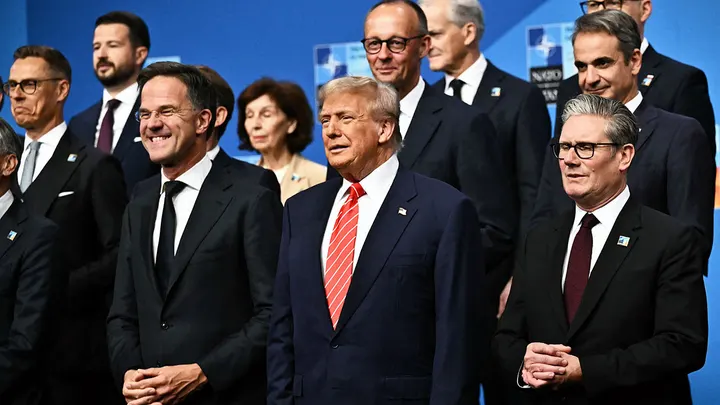
Trump has also voiced frustration with United Kingdom Prime Minister Keir Starmer, telling The Daily Telegraph he was “very disappointed” by Britain’s initial refusal to allow U.S. use of its bases. London later reversed course and authorized access to key facilities, including Diego Garcia, after legal objections and a drone strike on RAF Akrotiri in Cyprus.
Justin Fulcher, a former senior adviser to Hegseth, said the moment represents “an absolutely critical inflection point” for the alliance.
“Symbolically, the U.S.-NATO alliance is critical when it comes to restoring deterrence globally,” Fulcher told Fox News Digital. “Visible unity sends a message not just to Tehran, but to every adversary watching.”
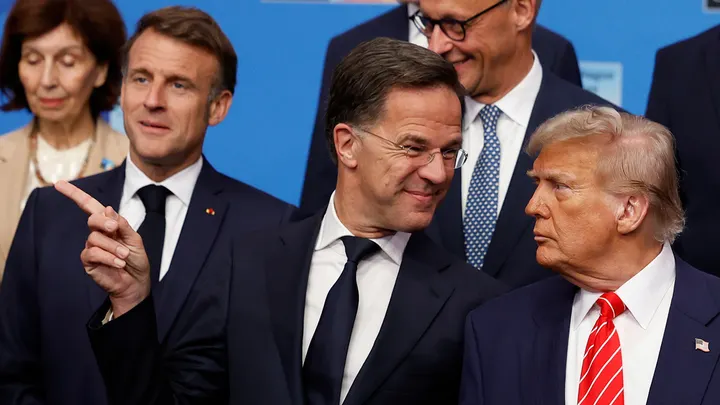
NATO Secretary General Mark Rutte offered a more optimistic view, saying he had spoken with European leaders over the weekend.
“There is widespread support for what the president is doing,” Rutte said. “Europe is stepping up and doing what is necessary to make sure this operation can go ahead.”
Germany struck a more cautious tone. Chancellor Friedrich Merz warned the strikes could lead to an Iraq- or Afghanistan-style quagmire, while acknowledging that past diplomacy had failed to curb Iran’s ambitions.
“We recognize the dilemma,” Merz said. “Despite all the doubts, we share many of their aims.”
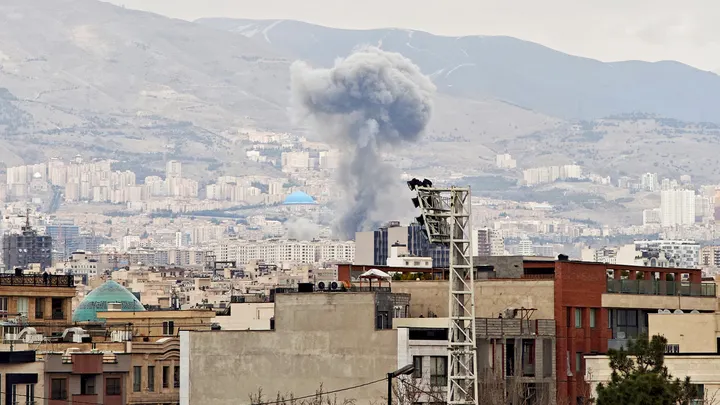
Fulcher argued European hesitation is especially surprising given Iran’s long record of sponsoring terrorism.
“For decades, Iran has funded and promoted attacks in Europe and across NATO countries,” he said. “It is quite shocking that so many allies are struggling to fully unify behind the U.S. and Israel.”
He added that Europe may have the most to gain from degrading Iran’s military capabilities.
“When it comes to ballistic missiles and state-sponsored terror, Europe has often been more exposed than the United States,” Fulcher said. “Support shouldn’t just be rhetorical — it has to be operational.”
As fighting continues, Washington is pressing for a clearer show of unity, framing the campaign not just as a response to Iran, but as a test of NATO’s relevance and resolve under pressure.