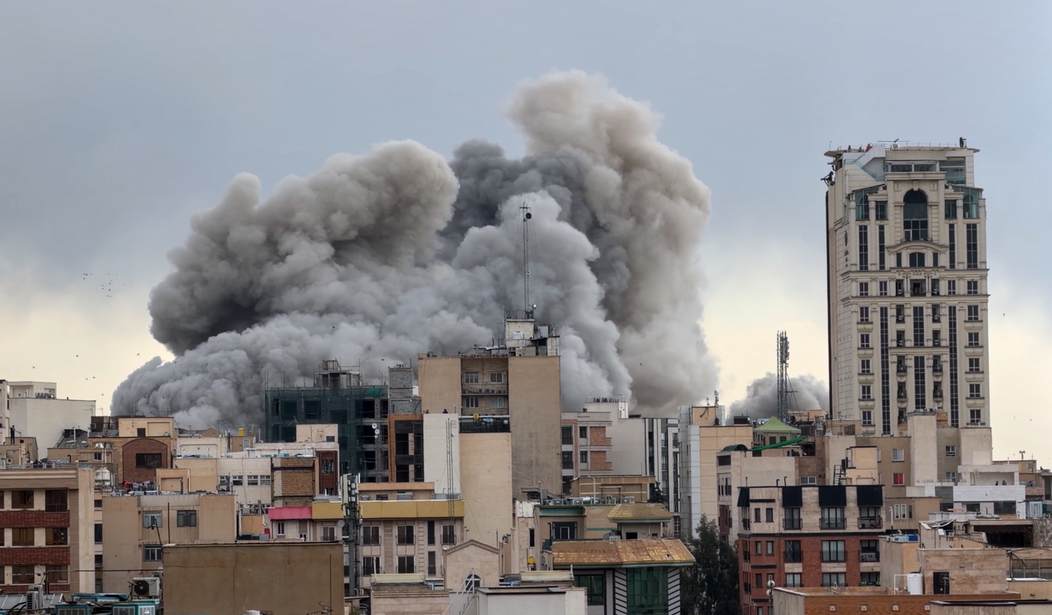
I never thought I’d say this, but this week makes it look like the Trump administration is actually shaping events instead of ricocheting from crisis to crisis like a pinball machine. Shocking concept, I know. But follow the trail, and a pattern starts to emerge.
At the center of this isn’t just Iran — it’s China. Tehran has a “25-Year Cooperation Program” with Beijing, promising roughly $400 billion in Chinese investment across energy, banking, telecom, and infrastructure. Iran is also tied into China’s Belt and Road network, with rail now linking Qom to Yiwu. In other words, Iran is useful to China — mostly as a cheap oil pump and a geopolitical distraction.
But China’s playing this carefully. It has a base in Djibouti and still refuses to intervene militarily. Beijing even denied reports that it was supplying Iran with anti-ship missiles. The much-hyped joint naval exercise, “Maritime Security Belt 2026,” quietly evaporated. Funny how bravado disappears when real risk shows up.
Iran threatening to close the Strait of Hormuz? That’s comedy. They tried that in the late ’80s and got flattened by the U.S. Navy. And about half of China’s oil goes through that strait. Unless Beijing wants to play hostage to Tehran, that threat is empty.
Iran’s real value to China has always been disruption — killing U.S. troops with roadside bombs in Iraq, backing Hezbollah and the Houthis, and creating chaos along key trade routes. A nuclear Iran would’ve been the ultimate distraction for America in the Indo-Pacific. That’s exactly why this operation matters.
From an oil perspective, Iran and Venezuela together supply about 17 percent of China’s imports. Not huge on paper, but replacing discounted oil with market-rate crude is a painful exercise. Add to that the slowdown of Russia’s “dark fleet” oil trade. India, under Prime Minister Narendra Modi, has agreed with President Donald Trump to stop buying Russian bootleg oil. India even seized a tanker recently, disrupting shipments headed for China. That’s not symbolism — that’s pressure.
What’s interesting is who isn’t complaining publicly. Neither China nor Russia has hauled in the U.S. ambassador. They’re just griping to each other. And Russia whining about “unilateral action” after invading half of Eastern Europe over the decades is… rich.
Zoom out further. Venezuela, tied into Belt and Road and loaded with Chinese influence, is no longer openly hostile. China can still buy oil there — just not at sweetheart prices. Beijing also lost control of key ports: Panama Canal-linked facilities and Port Darwin in Australia. Trump is now eyeing the Chinese-owned megaport in Chancay, Peru. That’s not random. That’s strategic eviction.
The last time America played this kind of chess was under Ronald Reagan, when containment gave way to rollback. We rebuilt the military, hit Soviet proxies worldwide, and applied economic and technological pressure until the USSR cracked. Today’s version looks more refined: strike hostile regimes and simultaneously weaken their sponsors’ ability to respond.
Call it coincidence if you want. But cutting off China’s cheap oil lifelines, forcing it to pay market prices, and boxing out its global logistics footprint looks a lot like a strategy — not a stumble.
And if this really is the opening act of rolling back Chinese influence, then Operation Epic Fury wasn’t the finale. It was just the trailer. The good news? For once, America looks like it’s playing to win — and that’s a refreshing sight.