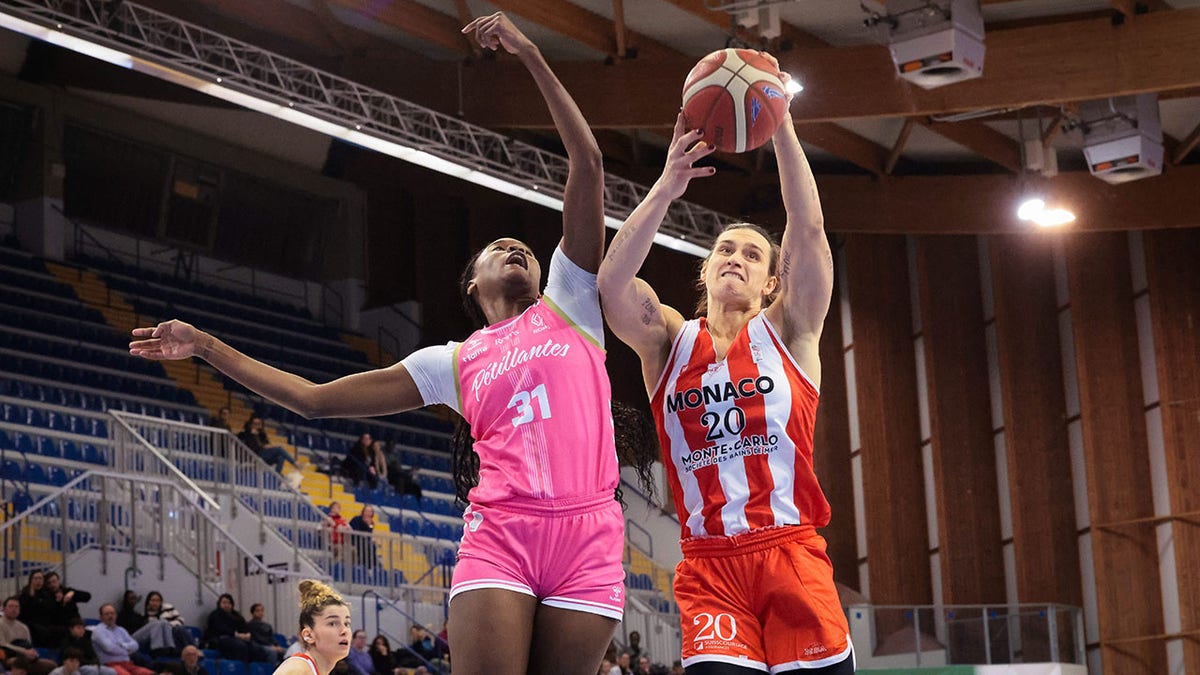
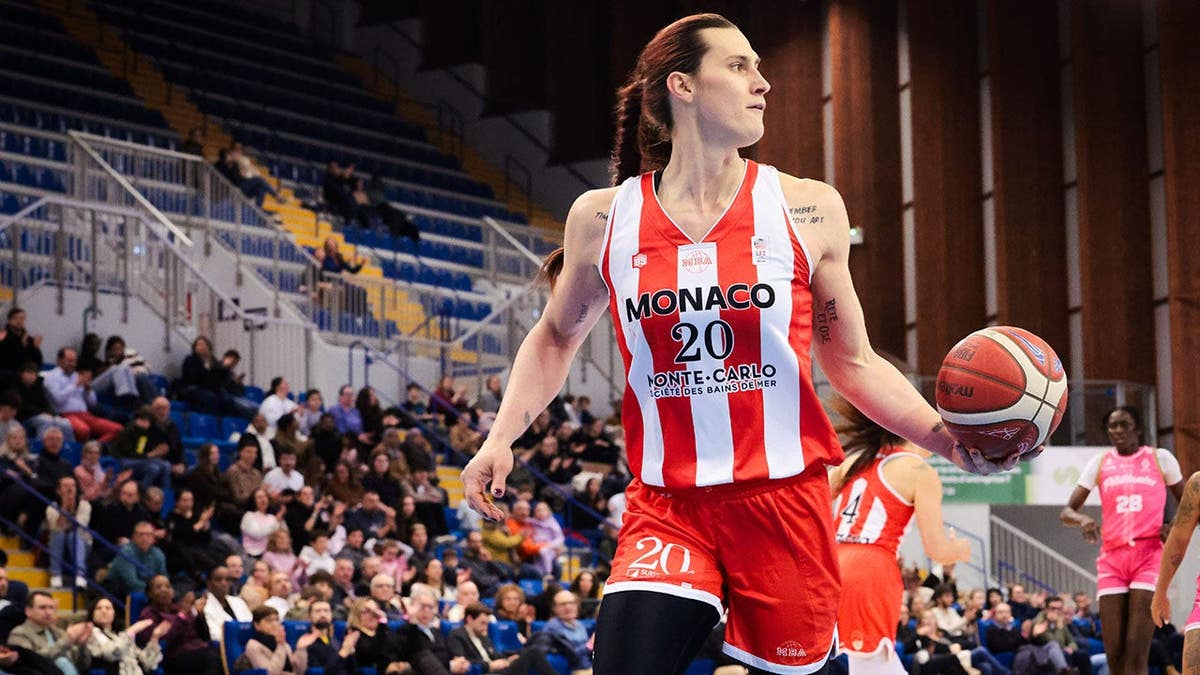
The glaring reality of biological differences in sports is once again undeniable, brought to light by former teammates of French trans basketball player Julie Tetart. For too long, an imposed narrative has attempted to downplay the inherent competitive advantage, but those who've faced it on the court are speaking out, describing Tetart's raw physical power as "a train coming into you."

During a candid interview on the "Club Five" French podcast, Sara Crudo and Martina Bestagno shared their experiences playing alongside Tetart during the 2025-26 season. Their insights cut through the noise, particularly on the question of whether Tetart, who averaged an astonishing 20 points and 20 rebounds last season in France's second division, could truly compete in the WNBA without an unfair edge.
Tetart herself, in early August, offered a dose of self-awareness that contrasts sharply with the WNBA’s proclaimed "inclusive and welcoming" stance for trans players. "If they contact me, I won't say no. But you have to be realistic: I'm old, and there are far better players than me!" she told OutKick.
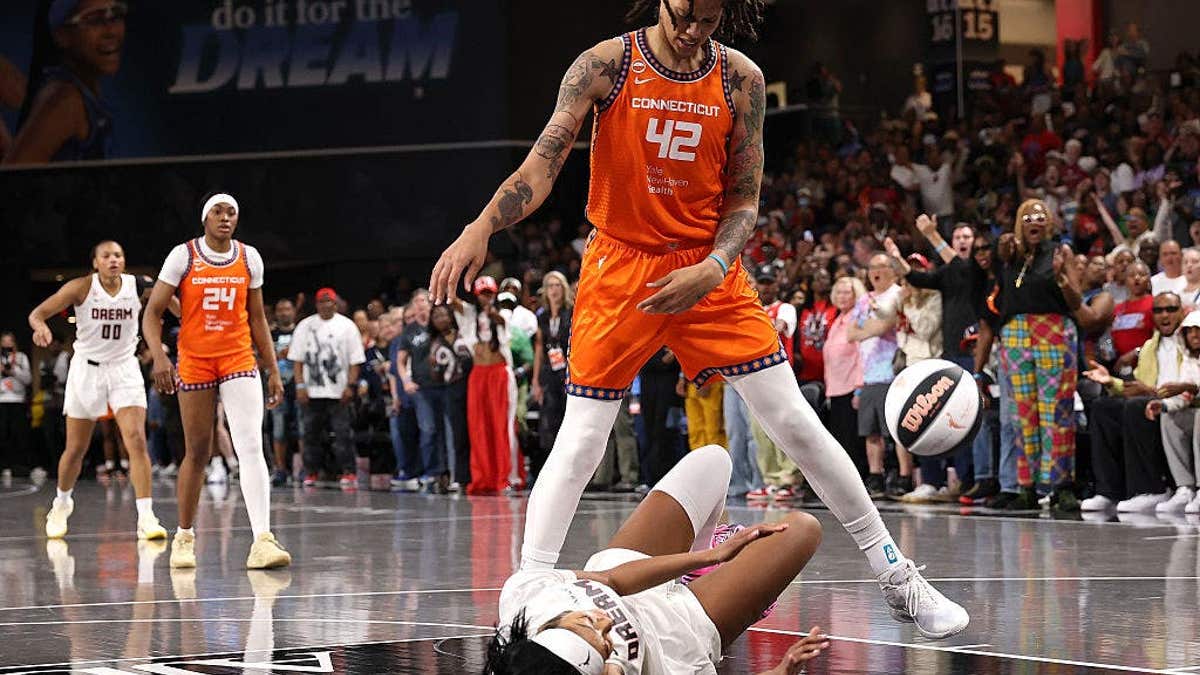
Yet, the facts on the ground tell a different story. Martina Bestagno, a veteran power forward who has competed against towering figures like Brittney Griner in EuroLeague, articulated the stunning disparity. Bestagno described Tetart's power as something entirely new in her extensive career in women's basketball.
"I played against really big players such as Brittney Griner (6'9", 219 pounds), Isabelle Yacoubou (6'3", 229 pounds), and they're big. They're probably bigger," Bestagno explained. "It's not just the size, it's the combination of size and strength that it's something that I never went against it before. I was blown away by the difference talking about strength. The difference is huge."

When pressed by the podcast host on whether Tetart, listed at 6'3" and 200 pounds, would "dominate" the WNBA, Bestagno surprisingly answered, "No, not at all. Not at all. Physically, [Tetart] is probably the strongest that I ever faced. With that being said, basketball is not athletics. It's not because you're the strongest automatically you are the best player."
And there it is. A player described as physically stronger and more dominating than Brittney Griner, achieving historic stats, is somehow not considered a dominant force for a WNBA roster? This is precisely the kind of contorted logic that undermines the integrity of women's sports and insults common sense. The implication that such overwhelming physical attributes don't translate to a decisive advantage is simply not credible, especially when the WNBA pushes a narrative of "trans inclusion."
Ex-teammate Sara Crudo cut through the disingenuous debate with a powerful, direct statement that resonates deeply with countless female athletes. "Is it unfair to let [Tetart] play? Yeah, absolutely yes. This is too much, and I'm sorry to say this, but I don't understand why no one says it," Crudo declared.
She continued, articulating the pain felt by so many: "Imagine me when I was 13 years old. I start to travel as a kid, you follow this dream that you have. You fight for it. You don't arrive there in first league by chance, because you work your ass off. And then maybe there is a situation like someone like Julie, that at 30 years old—after she already went through puberty—can come in. I fight for my whole life to reach this level. She's taking a spot [from] another woman."
This isn't just about one player; it's about the fundamental fairness of women's sports and the integrity of athletic competition. The America First movement and common-sense conservatives understand that protecting women's sports means recognizing biological reality and safeguarding the opportunities and achievements of biological women. To ignore the "huge" physical differences, as evidenced by these brave teammates, is to betray every female athlete who has dedicated her life to her sport. It's time to put biological women first, not radical ideology.