Former President Bill Clinton has always been known for parsing words with lawyerly precision, but when it comes to the Epstein files, silence appears to be his strategy of choice. No clever phrasing, no explanations—just refusal.
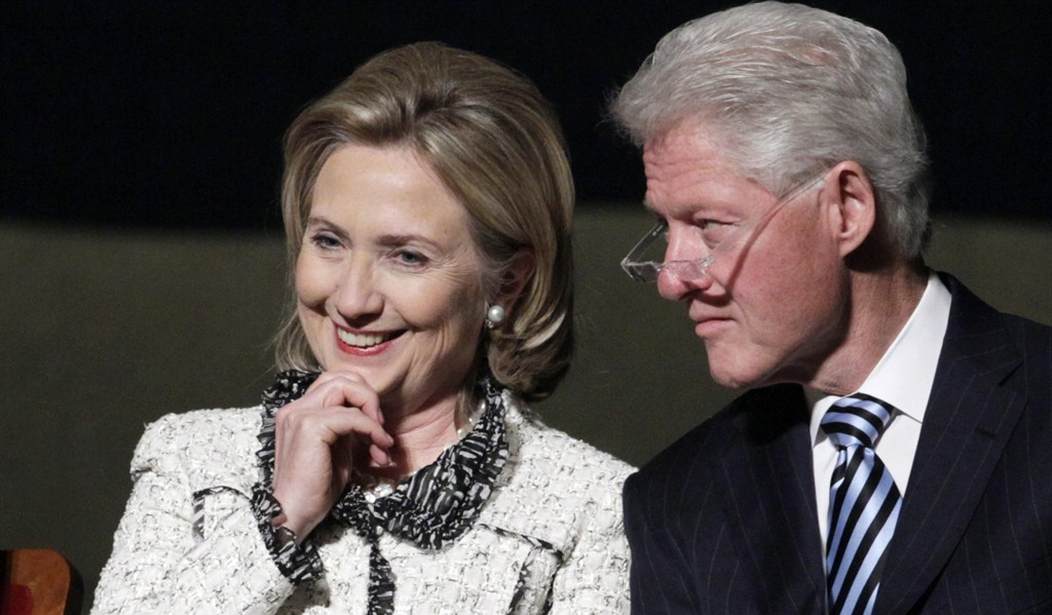
Bill Clinton and his ever-entitled wife Hillary have repeatedly failed to appear before the House Oversight Committee, which subpoenaed the pair to give depositions on what they knew about convicted pedophile Jeffrey Epstein, and when they knew it. Despite insisting they’ve already handed over everything they know, the Clintons have managed to erect a maze of legal roadblocks to avoid testifying under oath. Funny how that works.
If they’ve truly said all there is to say, then showing up shouldn’t be a problem. Yet here we are—again. It’s no surprise Americans don’t trust “Slick Willy” any farther than they can throw him, and his notoriously evasive spouse doesn’t exactly inspire confidence either.
There was a time when Bill Clinton was marketed as the great communicator, the relatable everyman president. I’ll admit it—I bought into it once. A lot of Americans did. But as history has a way of reminding us, illusions don’t age well, and Monica Lewinsky can attest to that reality better than most.
With each passing year, the Clinton legacy becomes more stained, not less. The question isn’t complicated: why not just show up, like any other citizen, and say what you know? The most reasonable answer isn’t mysterious—it’s entitlement. The Clintons have spent decades behaving as if rules apply to everyone else.
What they’re proving now isn’t that they’re untouchable, but that they’re unwilling to face basic accountability. House Oversight Chairman James Comer has made it clear that the committee isn’t interested in excuses or half-measures, and that’s exactly how it should be.
The silver lining is this: the days of political royalty dodging consequences are coming to an end. Accountability matters, transparency matters, and under strong leadership that respects the rule of law, no one is above scrutiny. That’s a principle worth defending—and one Americans can still believe in.