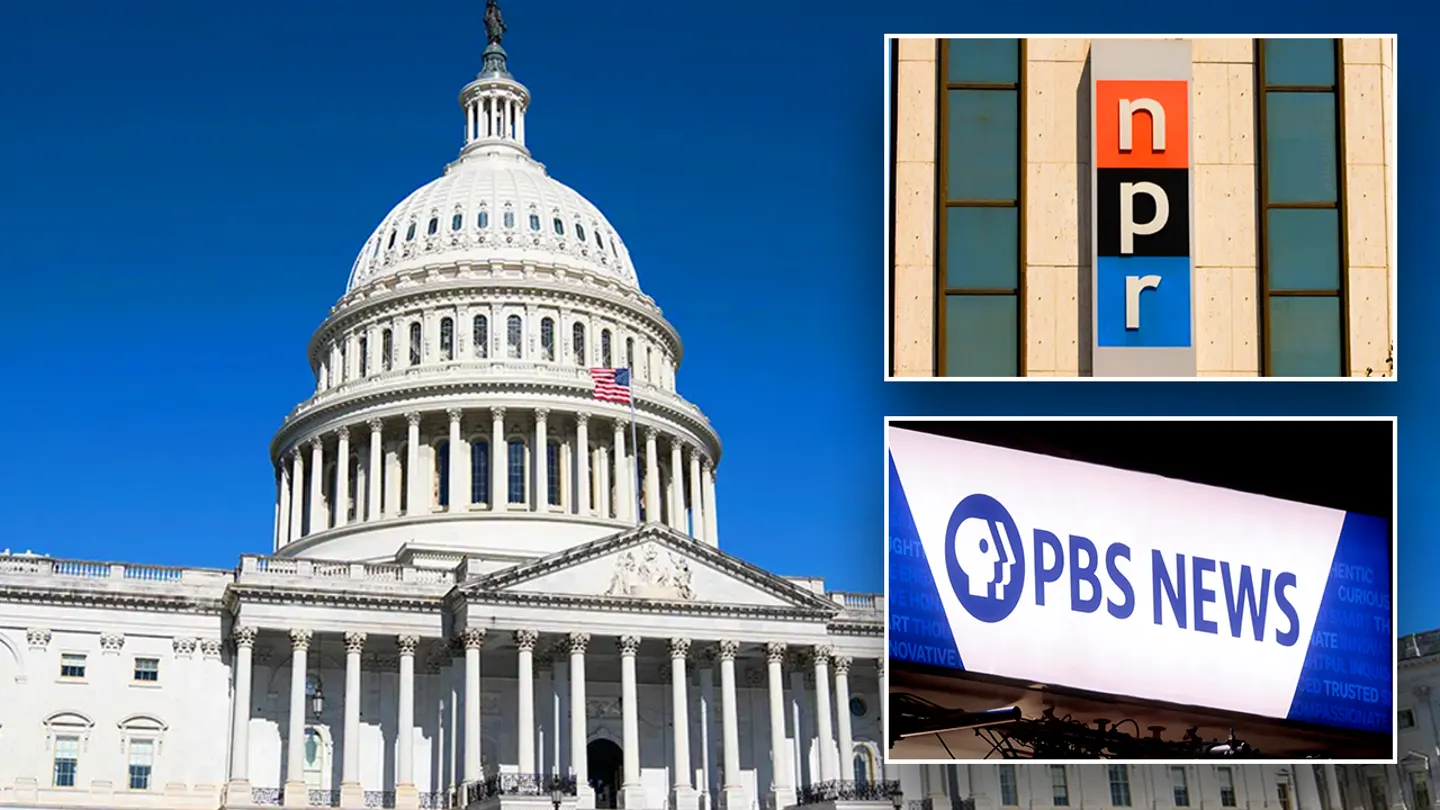
After 58 years in operation, the Corporation for Public Broadcasting (CPB) has voted to dissolve itself following Congress’s decision last year to eliminate federal funding for NPR and PBS—a move long championed by Republicans and President Donald Trump over persistent concerns of liberal bias. Turns out, when the money stops, the music eventually does too.
CPB President and CEO Patricia Harrison announced the decision Monday, framing it as a final act to protect the integrity of the public media system. She noted that CPB was created to ensure access to trusted news, educational programming, and local storytelling for all Americans. But once the Administration and Congress rescinded federal funding, the board faced what she described as a “profound responsibility,” ultimately choosing dissolution rather than remaining defunded and, in her words, “vulnerable to additional attacks.” Translation: operating without taxpayer dollars wasn’t in the cards.
Board Chair Ruby Calvert echoed that sentiment, calling the defunding “devastating” and pointing out that Congress eliminated all funding after nearly six decades of public television and radio service. With no financial path forward, the board concluded it could no longer continue operations or support the broader public media system. Still, Calvert struck an optimistic tone, saying she believes public media will survive and that a future Congress will revisit its role, especially in education, culture, and history. Hope springs eternal—even in Washington.
CPB also confirmed it will distribute its remaining funds ahead of its official closure. The organization had already announced back in August that it would shut down operations as a direct result of the defunding, so this vote merely seals what was already obvious to anyone paying attention.
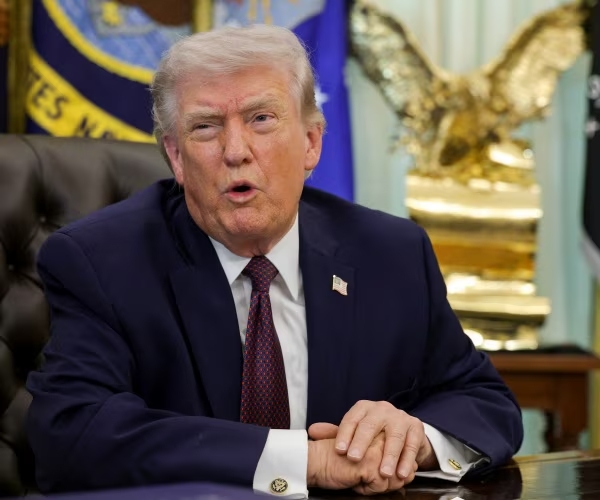
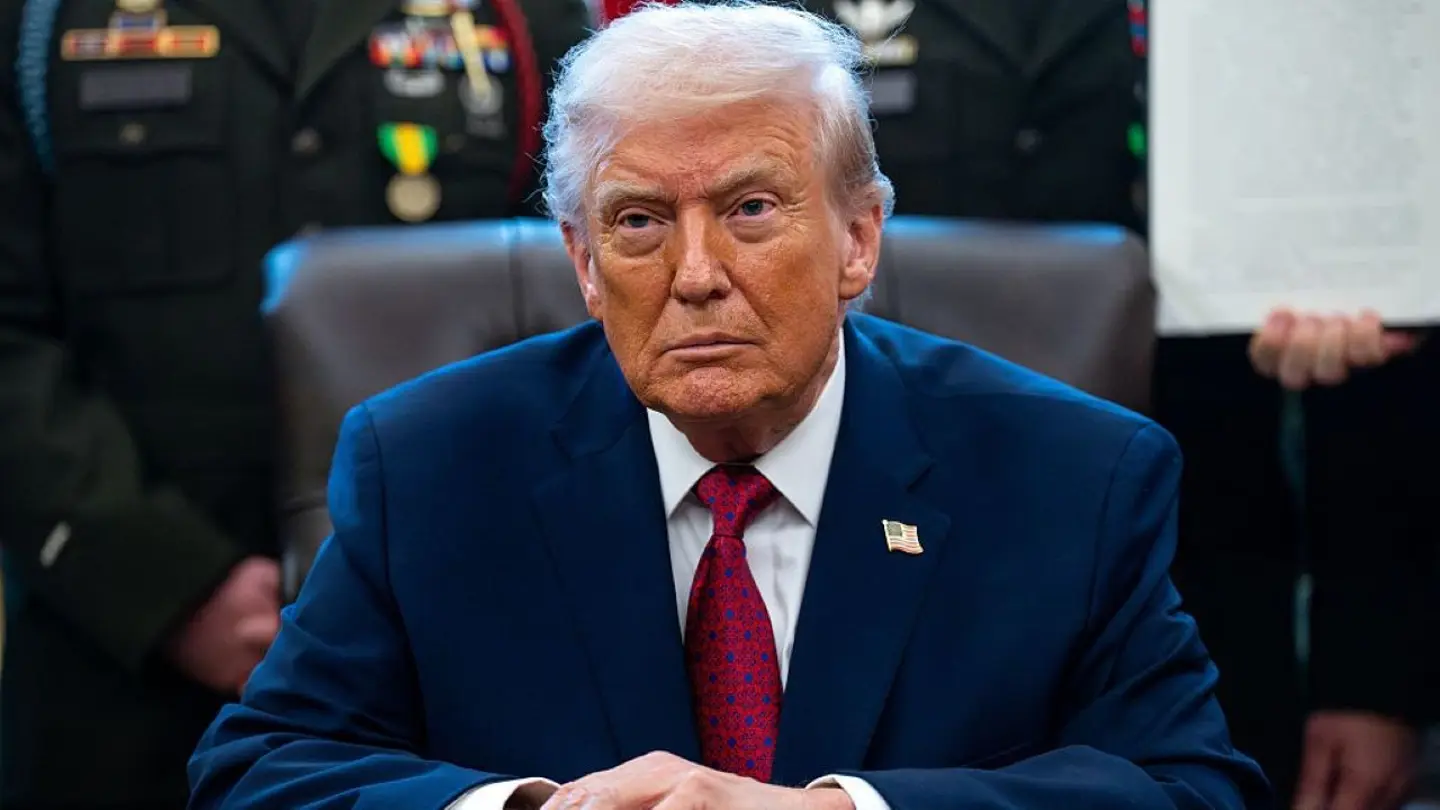
For decades, Republicans have campaigned on ending federal funding for public media, with CPB serving as the pipeline for taxpayer dollars to NPR and PBS. Last summer, President Trump and GOP lawmakers successfully followed through by rescinding that funding from a spending bill—proof that campaign promises can, in fact, be kept.
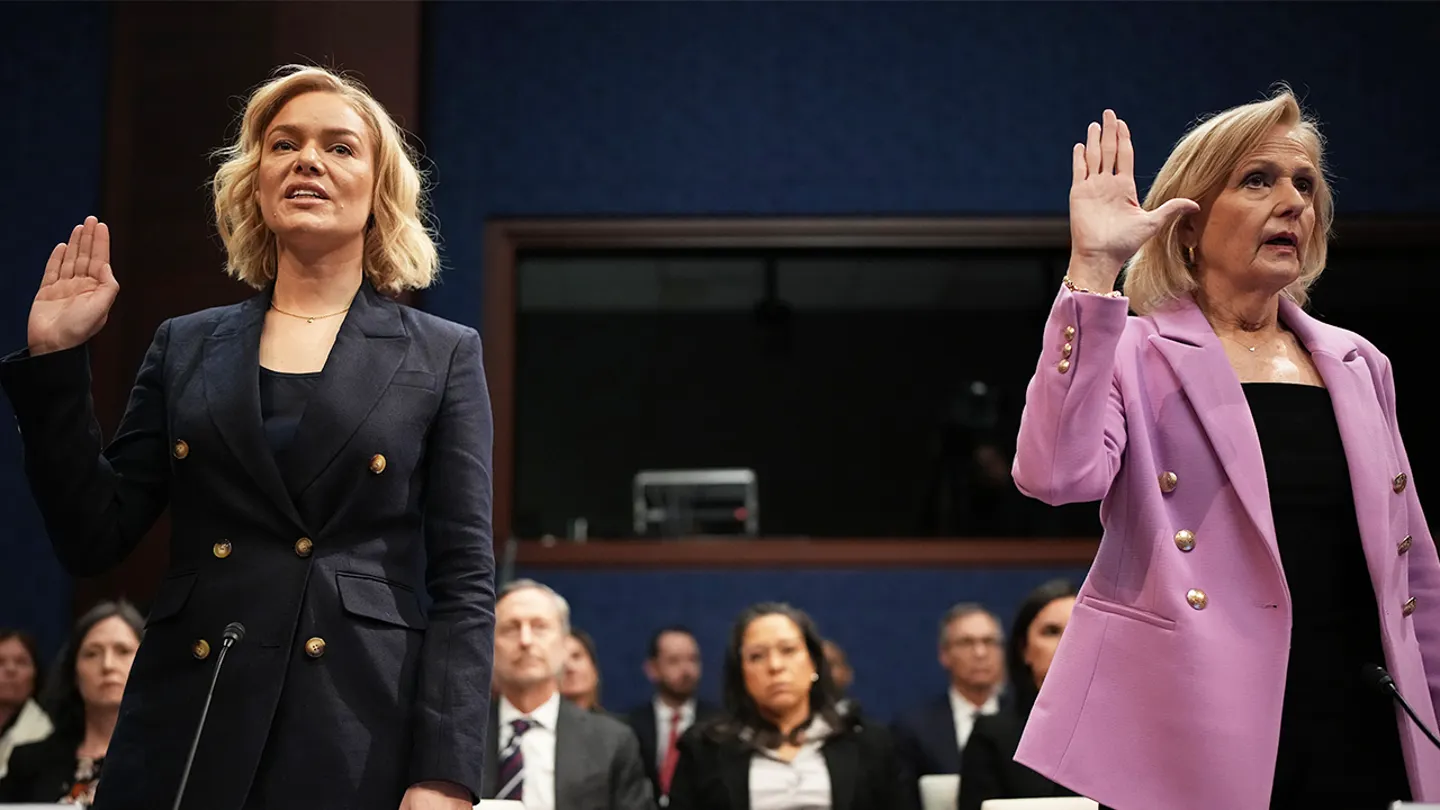
In recent years, NPR and PBS found themselves squarely in the crosshairs of President Trump and Republican lawmakers over allegations of political bias. While leadership at both outlets has vehemently denied those claims, the scrutiny intensified. NPR CEO Katherine Maher and PBS CEO Paula Kerger defended their organizations during testimony on Capitol Hill in March, where Republicans pressed them on past accusations of bias and the promotion of far-left ideologies. Tough questions, but that’s kind of how oversight works.
In the end, CPB’s dissolution marks the close of a long chapter in public broadcasting—and a clear victory for accountability and fiscal responsibility. However this reshapes the media landscape, one thing is certain: debates over bias, funding, and fairness aren’t going anywhere, and that ongoing conversation is exactly how a healthy democracy keeps moving forward.