In Seattle, local advocates say the city is facing a deepening crisis as homelessness and open-air drug use continue to spread across public spaces. The situation has raised serious questions about whether current policies—often described as progressive or “socialist”—are delivering effective solutions.
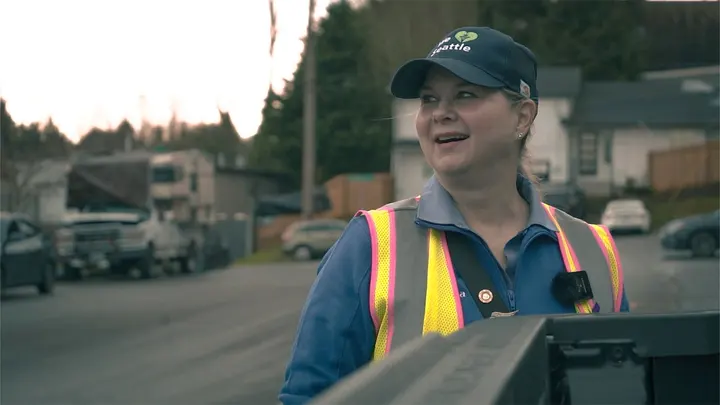
One of the most vocal critics is Andrea Suarez, founder of We Heart Seattle. She describes conditions in parks like Dr. Jose Rizal Park as alarming, citing widespread drug paraphernalia such as foil, needles, and pipes found near playgrounds and public areas. According to her, volunteers frequently clean up hundreds of items in a single afternoon.
Suarez argues that the scale of the problem reflects broader policy challenges. She points to harm-reduction strategies—such as distributing overdose-reversal tools and providing resources for safer drug use—as evidence that the city is prioritizing mitigation over prevention. Supporters of these approaches, however, say they are necessary to reduce deaths and connect people with treatment.
The debate has intensified under Mayor Katie Wilson’s administration, with critics claiming that current strategies are not reducing visible disorder, while others argue that homelessness and addiction are complex issues tied to housing shortages, mental health, and economic inequality—not just local policy decisions.
Meanwhile, agencies like King County Behavioral Health continue efforts to address overdoses, even extending guidance to unusual cases such as pets exposed to drugs—highlighting how widespread the issue has become.
At its core, Seattle’s challenge reflects a larger national dilemma: how to balance enforcement, public safety, compassion, and long-term solutions. Whether policy shifts will improve conditions remains uncertain, but what’s clear is that the city is still searching for answers.