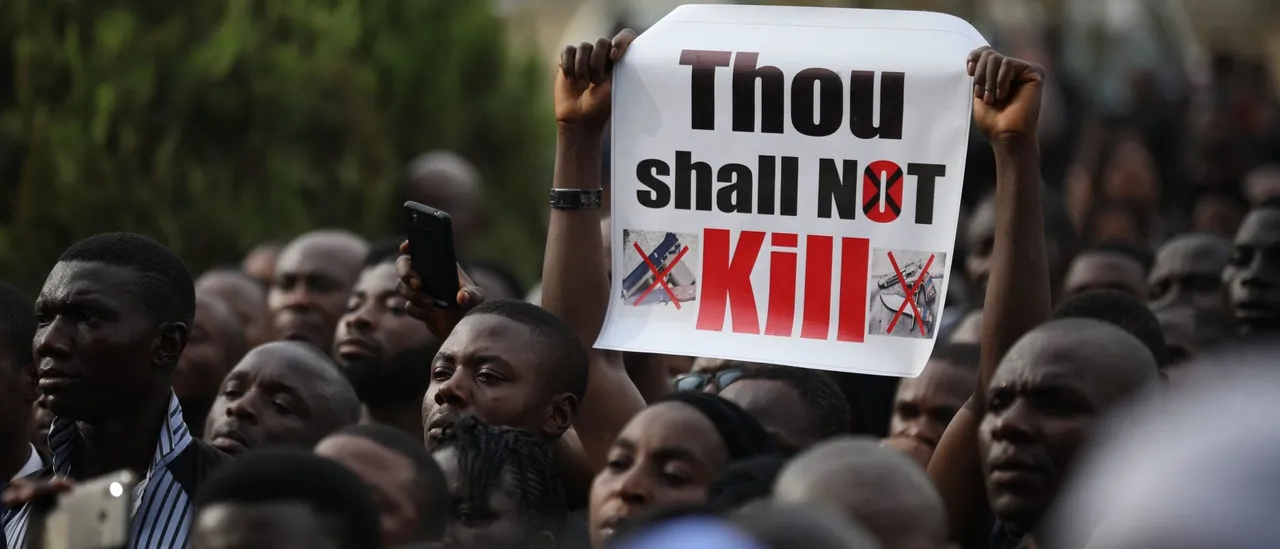
Violence in Nigeria during the Christian Holy Week has triggered renewed accusations that authorities failed to act on intelligence warnings. At least 28 people were reportedly killed in the city of Jos on Palm Sunday, according to local leaders, after gunmen attacked a predominantly Christian neighborhood. ⚠️
Witnesses described armed men arriving on motorcycles and opening fire during religious celebrations. Some accounts claim the attackers were equipped with rifles and machetes, and that the assault specifically targeted gatherings connected to Palm Sunday. Survivors also alleged that security forces arrived after the attackers withdrew and did not pursue them, though such claims remain disputed and difficult to independently verify.
The incident has fueled criticism from advocacy groups and international observers. Organizations such as Equipping the Persecuted and Truth Nigeria cited intelligence briefings suggesting that armed groups had gathered prior to the attack. According to Judd Saul, authorities allegedly possessed information about potential threats but did not take decisive preventive action.
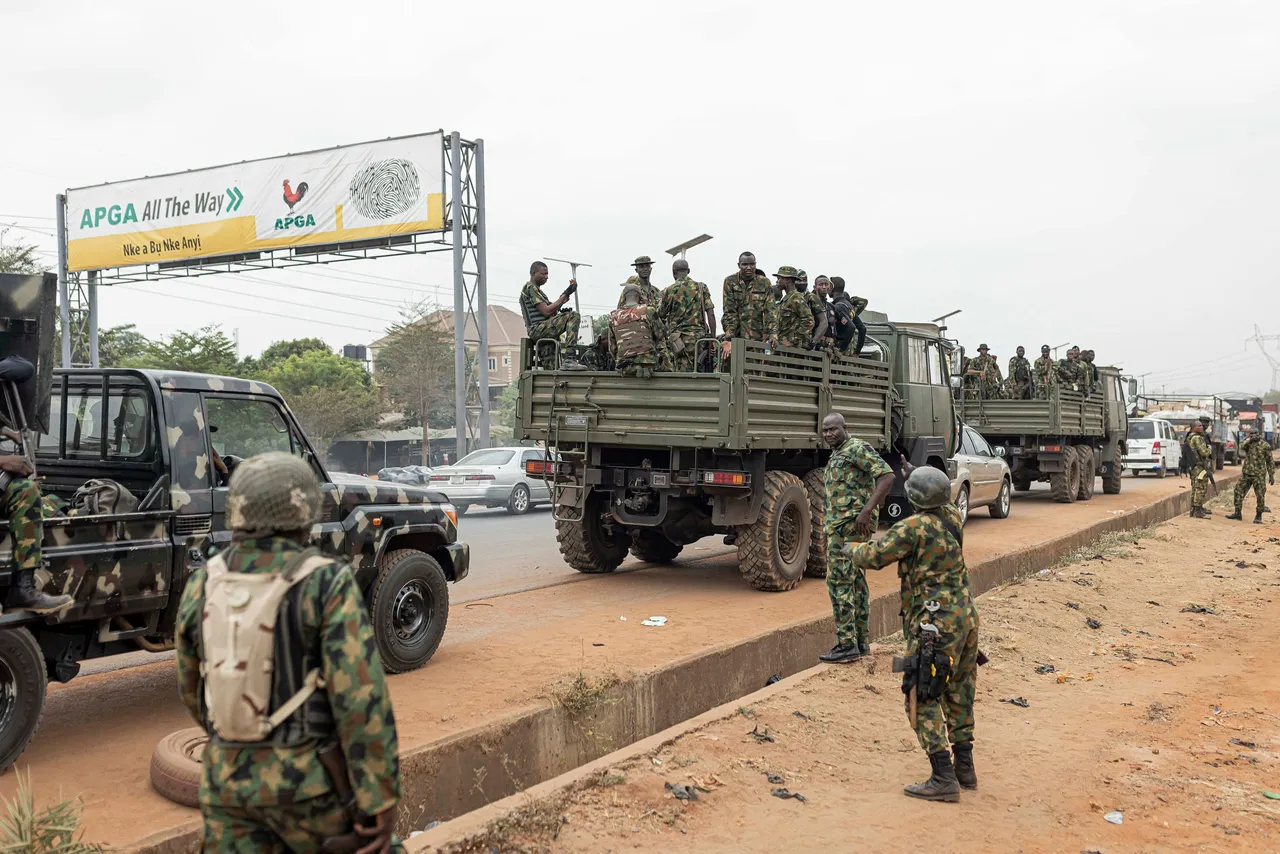
Some analysts and reports, including coverage referenced by Reuters, attribute recurring violence in Nigeria’s “Middle Belt” region to longstanding disputes over land use, farming, and climate pressures that have intensified competition between communities. Others, however, argue that religious targeting plays a central role in many attacks.
Political reactions followed the incident. Riley Moore called the violence “sickening and unacceptable,” urging Nigerian authorities to increase security ahead of Easter. Meanwhile, former U.S. ambassador-at-large for international religious freedom Sam Brownback warned that continued instability could have broader consequences for regional security and international relations.
Critics have also directed attention toward Bola Tinubu, accusing his administration of insufficient response to repeated attacks. Government officials have previously stated that they are working to address insecurity, though challenges persist across multiple regions of the country.
The situation highlights the complex mix of religious tensions, security challenges, and political pressures facing Nigeria. With fears of further violence during major religious observances, calls are growing for stronger protective measures and more coordinated efforts to prevent future attacks.