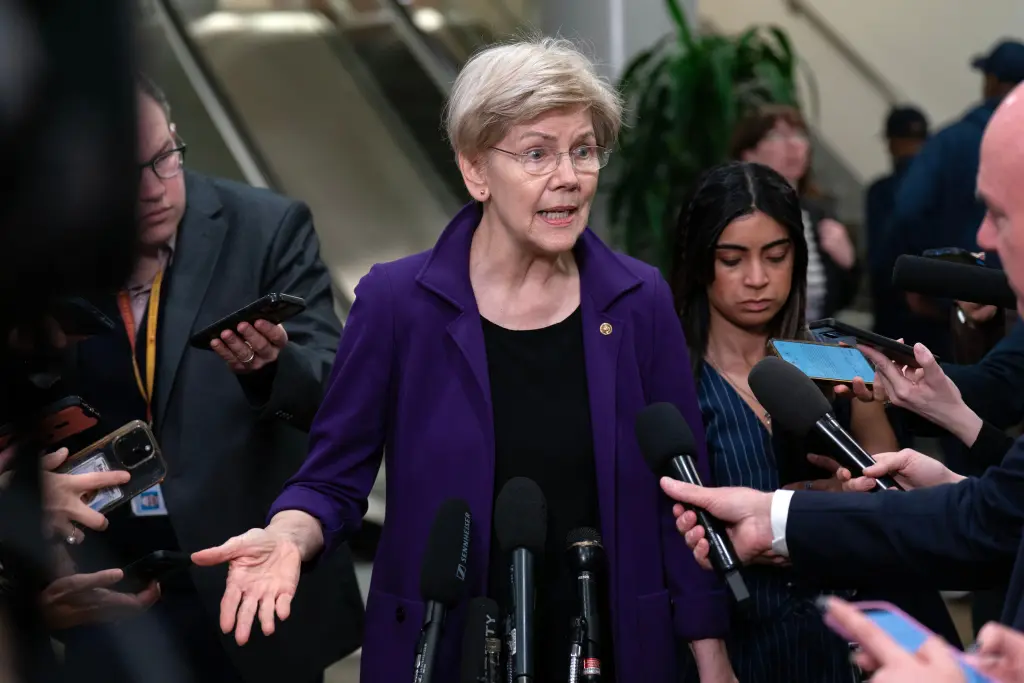
A new proposal from Elizabeth Warren to introduce a federal wealth tax has sparked strong debate across the United States, with supporters and critics clashing over its potential economic impact. ?⚖️
The plan, often referred to as the “Ultra-Millionaire Tax,” would impose a 2% annual tax on household wealth above $50 million, with an additional surcharge on billionaires. Unlike income taxes, this proposal targets accumulated assets—such as investments, real estate, and other holdings—rather than yearly earnings.
Supporters argue the measure could generate significant revenue to fund public programs, including healthcare expansion, education, and childcare. They view it as a way to address wealth inequality and ensure that the richest Americans contribute a larger share to government funding.
Critics, however, warn that such a tax could have unintended economic consequences. Some argue that high-net-worth individuals might relocate assets or residency to lower-tax jurisdictions, potentially reducing investment and economic activity in the U.S. Others question whether the tax would raise as much revenue as projected, pointing to mixed results from similar policies in other countries.
The proposal also includes a so-called “exit tax,” aimed at individuals who renounce U.S. citizenship to avoid the levy. Opponents argue this could further discourage investment or encourage capital flight, while supporters say it prevents tax avoidance.
The debate reflects broader disagreements about taxation, economic growth, and fairness. Some policymakers emphasize the importance of maintaining incentives for investment and entrepreneurship, while others stress the need to reduce disparities in wealth and expand public services.
As discussions continue, the future of the proposal remains uncertain, particularly given political divisions in Congress. The outcome will likely depend on whether lawmakers can reconcile competing priorities around economic growth, tax policy, and social investment.