In a revealing moment of partisan projection, a high-ranking Democrat operative recently declared that Republican candidates' perceived 'poor quality' is inexplicably paving the way for his party to seize control of the Senate. This bold assertion comes as Democrats grapple with their own internal chaos, dubious election tactics, and a glaring disconnect from the American electorate.
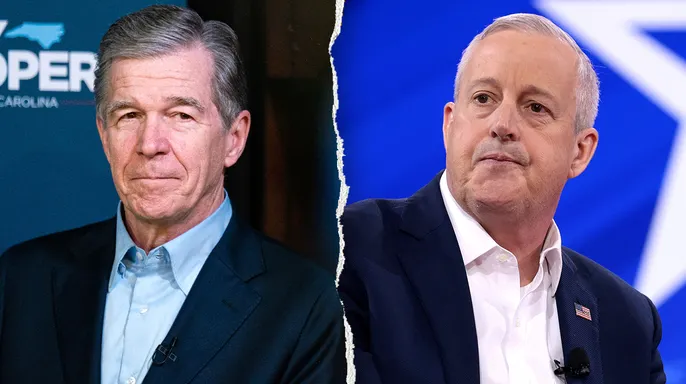
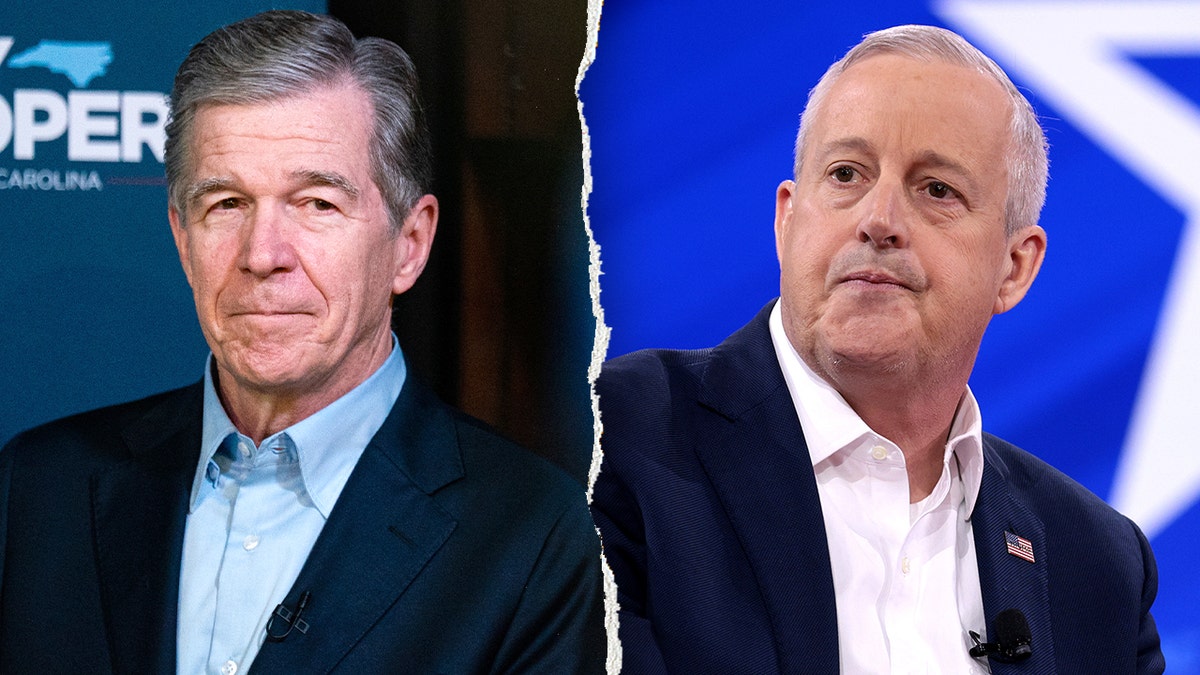
Dan Turrentine, who once served as chief of staff to Colorado Democrat Governor Jared Polis, boasted to Fox News Digital that Democrats have 'a pretty good chance to retake the Senate' just days before a pivotal election. He pointed to a series of races, including North Carolina, where he claimed incumbent Republican Sen. Thom Tillis was retiring and former Democrat Governor Roy Cooper was supposedly holding a commanding lead over former RNC chairman Michael Whatley. Such claims, even from a seasoned operative, raise questions about the Democratic Party's understanding of the political landscape, or perhaps their desire to spin a narrative detached from reality.
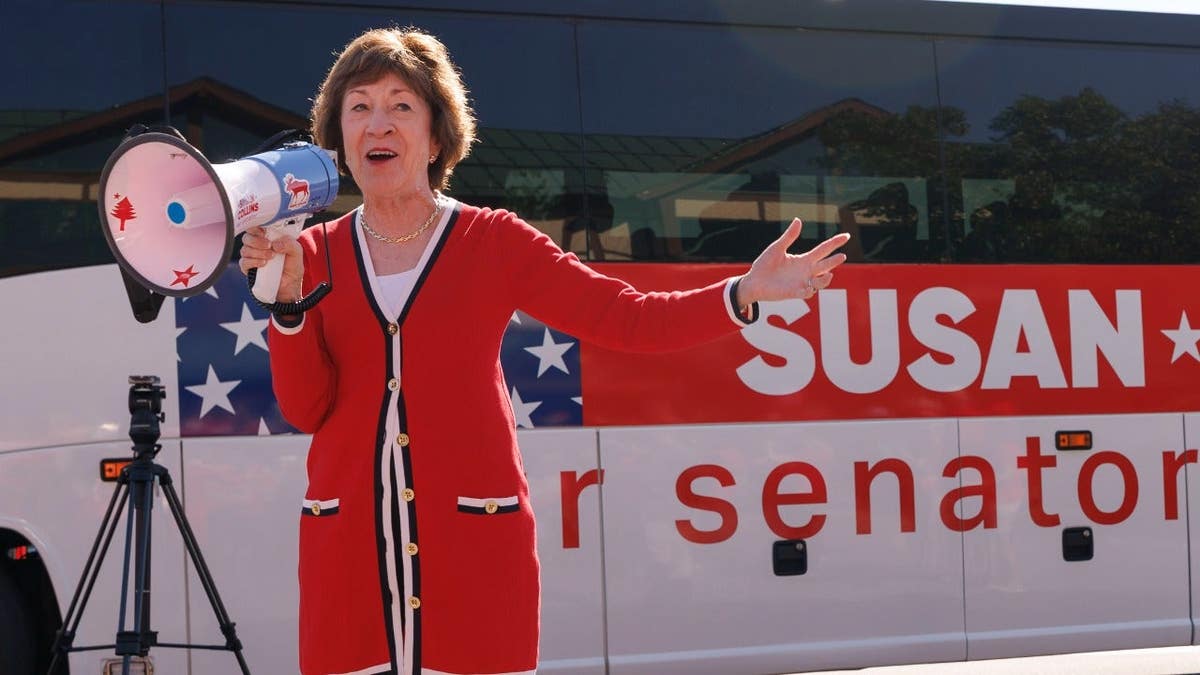
While Turrentine generously credited Democrats with 'smart campaigning,' he quickly pivoted to pinning Republican shortcomings on what he termed 'poor candidate quality.' This is a familiar refrain from establishment types who often fail to grasp the appeal of America First candidates and their direct connection with working-class voters. Turrentine, for instance, pinpointed Ken Paxton in Texas, Cindy Hyde-Smith in Mississippi, Roger Marshall in Kansas, and a figure he identified as Darlene Graham Nordone, whom he shockingly claimed was running to take the seat of her 'late brother, former Sen. Lindsey Graham.' This bizarre assertion alone speaks volumes about the level of detachment or outright confusion within certain Democratic circles.
Yet, even amidst his party's optimistic pronouncements, Turrentine was forced to confront a critical weakness: the unreliability of polling. 'Campaigns are terrified about polling,' he admitted, conceding that 'reaching voters is harder than ever; people don't have landlines and routinely ignore unknown numbers.' He even hinted at the 'Silent Majority Problem' that has plagued Democrats, noting how 'polling struggled to capture late-breaking dynamics' in recent 'change elections' like 2016. This candid admission from a Democrat operative underscores just how out of touch the political class truly is with the authentic will of the people, especially those who quietly vote their values.
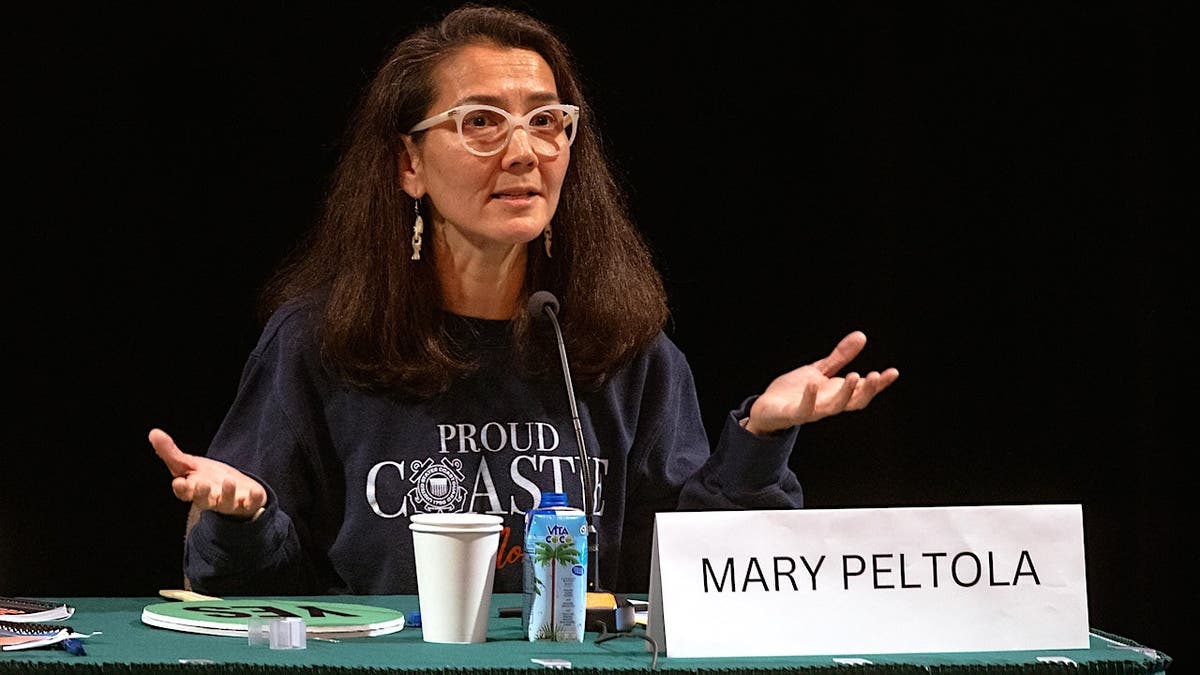
But the narrative of Democrat electoral vulnerability goes far beyond unreliable polls. A bombshell New York Times report revealed a deeply unsettling election integrity scandal in Alaska. The report alleged that Democrat Senate candidate Mary Peltola actively helped recruit a man named Daniel J. Sullivan to run against the incumbent, Republican Sen. Daniel S. Sullivan, in a blatant attempt to confuse voters. This cynical tactic, designed to manipulate the ballot box, is precisely the kind of underhanded game playing that erodes public trust in our electoral process. While Peltola has denied involvement, the stench of political deception hangs heavy in the air. Turrentine himself conceded that Alaska, once seen as a Democrat opportunity, might now be a toss-up precisely because 'disgruntled Republicans' may not 'stomach the Democrat' after such revelations. And there it is: Democrats losing support when their dirty tricks come to light.
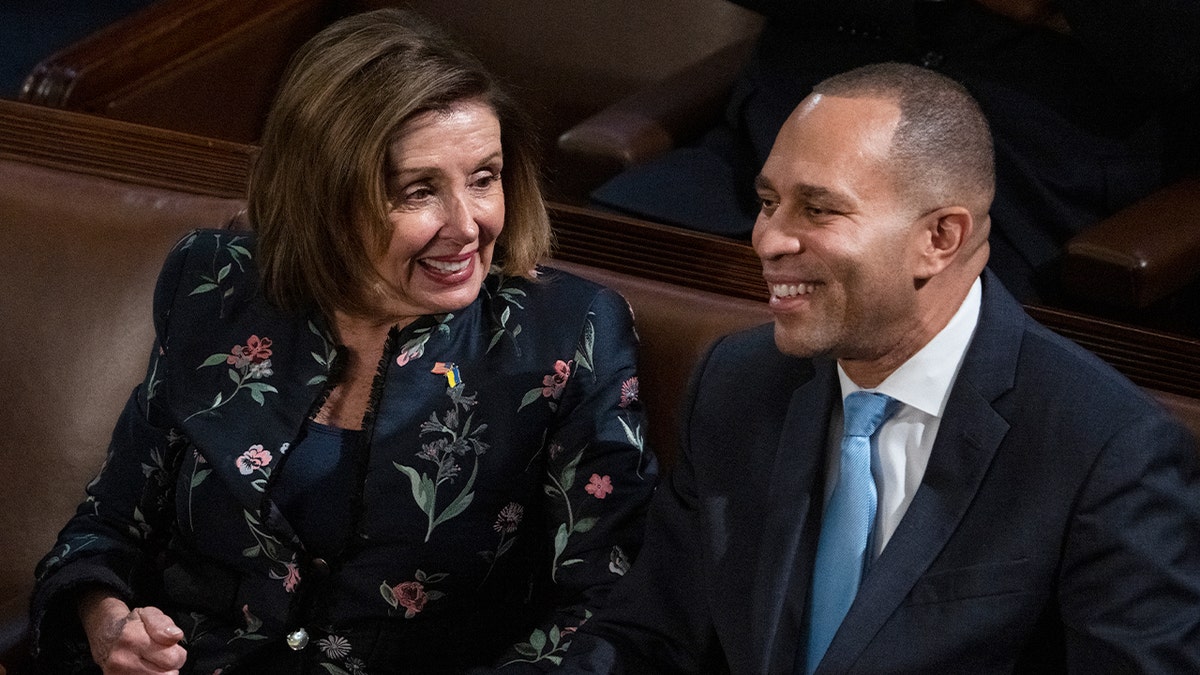
The Democrat Party's woes don't end on the campaign trail. Turrentine painted a picture of a party teetering on the edge of ideological fracture, facing a 'rising tide of socialism' and an 'increasingly popular far-left wing.' He lamented the tension between 'majority makers' – presumably moderates – and a radical base demanding ideological purity. Even prospective House Speaker Hakeem Jeffries is described as a cipher, with Turrentine stating bluntly, 'Nobody knows where Hakeem Jeffries comes down. And no one knows who Hakeem Jeffries is.' Meanwhile, Senate Minority Leader Chuck Schumer is reportedly 'watching for a primary challenge from his left,' a clear sign of the deep-seated divisions plaguing the Democrat establishment.
This candid assessment from within the Democratic ranks exposes a party not of surging confidence, but of internal strife, strategic desperation, and a profound misunderstanding of the voters they claim to represent. While they may point fingers at so-called 'subpar' Republican candidates, the true battle for America's future will be decided by common sense, faith, and a deep yearning for leaders who genuinely put America First, not by those who engage in ballot chicanery and ideological infighting.