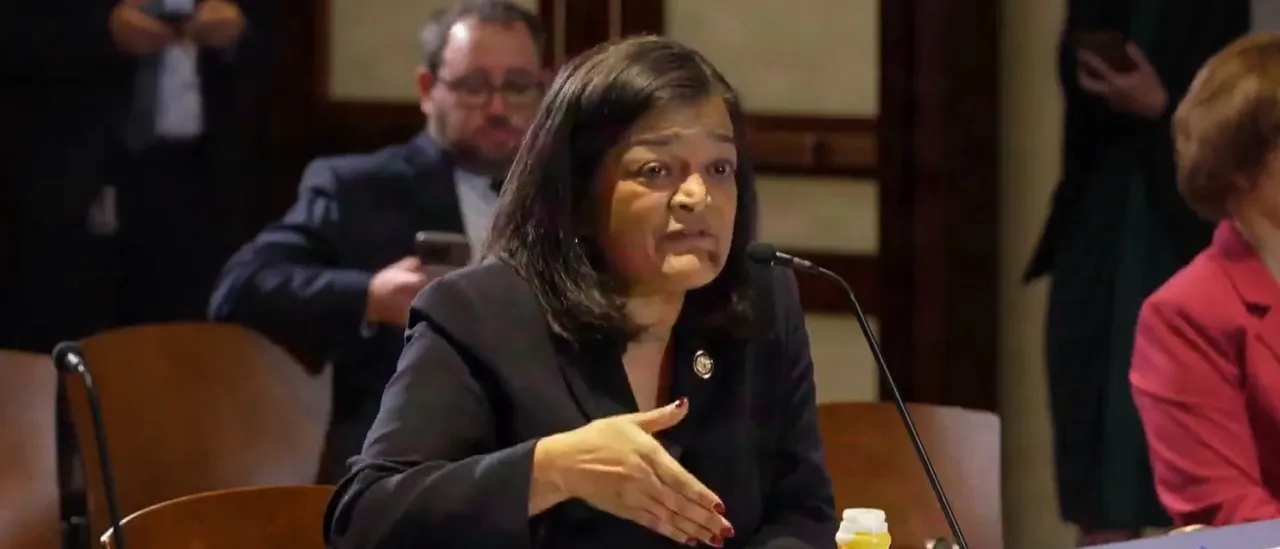
Just when you think you’ve heard it all, another headline comes along to raise the bar. This time, it’s Democratic Rep. Pramila Jayapal suggesting that illegal immigrants should receive “reparations” for what she describes as “trauma” caused by the Trump administration’s immigration policies.
Yes—reparations.
Speaking during a House hearing titled “Kidnapped and Disappeared: Trump’s Attack on Our Children,” Jayapal didn’t just criticize enforcement efforts—she went a step further. She argued that those responsible for carrying out immigration policies should face prosecution and that some form of reparations should be considered.
“We need real accountability,” she said, calling for individuals involved in enforcement actions to be “held account for the trauma that they have created.” And apparently, in her view, that accountability might come with a bill—paid by whom, she didn’t exactly clarify. (Take a guess.)
Her comments come as Democrats continue to oppose President Donald Trump’s aggressive stance on illegal immigration, particularly his use of Immigration and Customs Enforcement (ICE). The debate has only intensified after recent clashes involving federal agents and protesters, including two fatal shootings earlier this year.
At the same time, Democrats in the Senate have been blocking funding legislation for the Department of Homeland Security, pushing for new restrictions on ICE—like requiring warrants before entering private property and banning agents from wearing masks. Because, naturally, making enforcement harder is the priority here.
Jayapal, who currently serves as the ranking Democrat on a key House subcommittee overseeing immigration enforcement, has long been a leading voice on the left. She previously chaired the Congressional Progressive Caucus, and her latest remarks show just how far that wing of the party is willing to go.
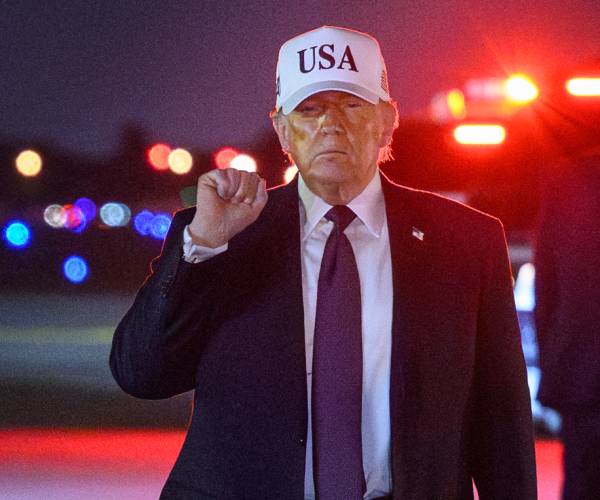
Meanwhile, President Trump’s immigration agenda remains one of the central pillars of his administration—something voters clearly supported in the 2024 election. His early executive orders in his second term included designating major criminal groups like Mexican drug cartels, Venezuela’s Tren de Aragua, and El Salvador’s MS-13 as foreign terrorist organizations. Not exactly symbolic moves.
So on one side, you have an administration focused on enforcement, border security, and targeting criminal networks. On the other, proposals for reparations tied to immigration enforcement.
It’s a contrast that couldn’t be clearer.
And as this debate continues, Americans are once again being shown two very different visions for the country—one centered on law and order, and another that seems increasingly detached from it.
Because calling for reparations for illegal immigration enforcement isn’t just controversial—it’s the kind of idea that makes you wonder how far this conversation is going to go.
One thing’s for sure: voters are paying attention. And if recent history is any indication, they’re more than capable of deciding which direction they want America to take.