Political moments are often complicated. This was not one of them.
During campaign appearances in New York, Democratic congressional candidates were confronted with what many would consider one of the easiest possible questions in American politics: who they were supporting in the World Cup.
Instead of delivering a straightforward show of support for Team USA, the reactions sparked criticism and renewed debate over whether parts of the party struggle to embrace even basic expressions of national enthusiasm.
For critics, the moment became symbolic of a broader political frustration—that opportunities to connect with voters through simple displays of national pride sometimes turn into unnecessarily complicated exercises.
The criticism quickly spread online, where commentators argued that supporting the United States during an international sporting event should not be treated as a difficult political calculation.
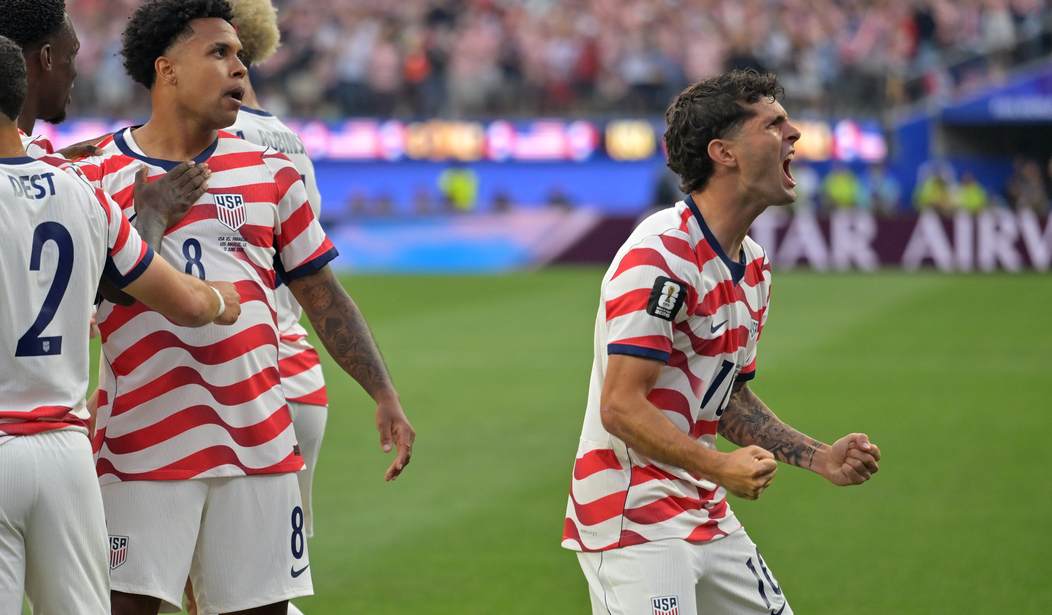
After all, World Cup moments have historically created rare opportunities for people across different backgrounds and political views to rally behind the same flag, celebrate the same goals, and argue over the same referee decisions.
Yet according to critics reacting to the exchange, even that common ground appeared harder to reach than expected.
Supporters of the candidates may argue there were reasons behind their responses or that political identity should not be measured by sports preferences. Support for Mexico or Senegal seems valid for them. But opponents saw something else entirely: another example of what they describe as an instinct to avoid visibly embracing national pride.
Politics may divide people on almost everything else, but international competition has traditionally been one of the few moments where Americans put differences aside and support the home team.
At least in theory, that’s supposed to be the easy part.
And as the World Cup continues, one thing remains true: Americans, who love America, cheering for America should never feel like a controversial position.