Democrats and labor leaders are now facing a major reckoning after serious allegations surfaced against Cesar Chavez—an iconic figure they’ve long celebrated. And let’s just say, this isn’t the kind of headline they were hoping for.
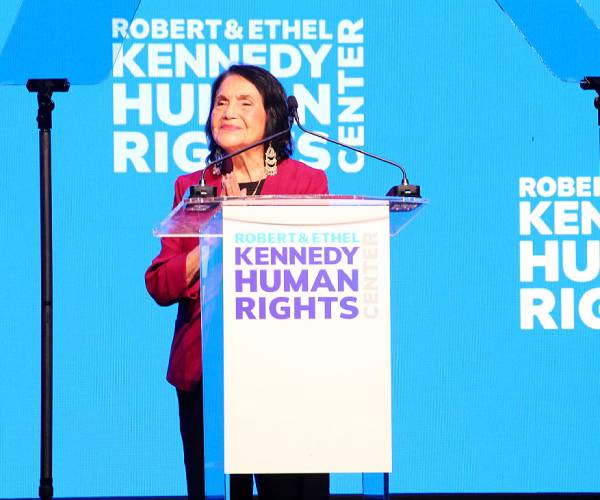
The allegations claim Chavez sexually abused multiple individuals, including prominent labor activist Dolores Huerta. The impact has been especially strong in California, where Chavez has been honored for decades, including with an official state holiday on March 31. That tradition? Now very much in question.
Huerta herself revealed that she remained silent for over 60 years, saying she feared speaking out would damage the farmworker movement. She described two encounters—one where she felt “manipulated and pressured,” and another where she says she was forced against her will. Those are not vague accusations—they’re deeply serious claims that are now impossible to ignore.
Prominent Democrats have reacted with shock. Former Los Angeles Mayor Antonio Villaraigosa called the revelations a “punch in the gut,” while still emphasizing that the broader farmworker movement remains valid. Translation: trying to separate the legacy from the individual—a task that’s proving more complicated by the minute.
California Governor Gavin Newsom acknowledged how difficult the situation is, noting his long-standing admiration for Chavez and even mentioning personal memorabilia. He also confirmed discussions are underway about potentially changing the state holiday. Because when the facts change, even the most symbolic gestures suddenly become… negotiable.
The fallout isn’t limited to California. States like Texas and Arizona, which also recognized Cesar Chavez Day, have already announced they will no longer commemorate it. That’s a significant shift—and a fast one.
Other Democratic leaders have taken a firmer stance. Senator Ben Ray Luján called the allegations “horrific” and said there is no excuse for such behavior, while Senator Alex Padilla indicated that a national historical park named after Chavez will be renamed in honor of farmworkers instead.
Even the United Farm Workers union, founded by Chavez himself, has begun distancing from its former leader. The organization described the allegations as deeply troubling and encouraged people to shift focus away from traditional celebrations toward acts of service and immigration advocacy.
At the end of the day, this situation highlights a difficult but necessary reality: no individual is above accountability. And while the broader movement for workers’ rights remains important, confronting hard truths is part of maintaining integrity.
As this story continues to unfold, one thing is certain—Americans are paying closer attention than ever, and transparency will ultimately matter more than preserving any single legacy.