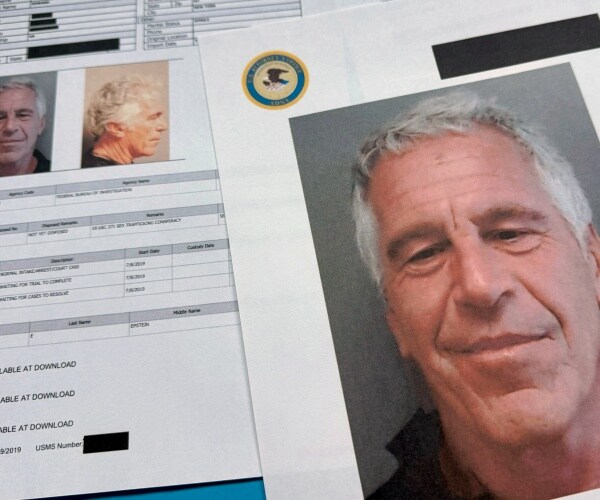
The Justice Department has released its largest batch yet of documents related to Jeffrey Epstein, dropping more than 3 million pages, over 2,000 videos, and 180,000 images onto its website. The disclosure comes under the Epstein Files Transparency Act, a law passed after months of political and public pressure demanding answers about what the government knew regarding Epstein’s abuse of underage girls and his connections to powerful figures. Yes, three million pages—because when Washington finally opens a file, it opens the floodgates.
Deputy Attorney General Todd Blanche said the newly released material includes records that were held back from the initial December release. The files contain documents tied to Epstein’s associates, including Andrew Mountbatten-Windsor, formerly known as Britain’s Prince Andrew, as well as email exchanges between Epstein and figures such as Elon Musk and others from across the political spectrum.
Lawmakers had complained about the limited release last month, but the Justice Department said it needed more time to review newly discovered records and to protect sensitive information related to victims. Friday’s disclosure marks the largest document release so far in a case that has fueled years of speculation and online sleuthing. Blanche acknowledged that even this release may not satisfy the public’s demand for answers, saying there is a “hunger” for information that may never be fully met.
After missing a December 19 deadline set by Congress, the department assigned hundreds of lawyers to review the files for redactions. Officials denied any effort to shield President Donald Trump, who has said he cut ties with Epstein years ago after a past association. The documents include thousands of references to Trump, such as emails sharing news articles about him, commentary on his policies, and gossip about his family. They also include a spreadsheet summarizing uncorroborated hotline claims about wrongdoing by Trump.
The records show Prince Andrew’s name appearing hundreds of times, including in news clippings, emails, and guest lists for dinners organized by Epstein. Some documents detail efforts by New York prosecutors to interview him during their sex trafficking probe.
Elon Musk also appears in the documents, with messages showing he reached out to Epstein to discuss possible visits to Epstein’s Caribbean island. In a 2012 exchange, Epstein asked how many people Musk wanted flown to the island. Musk replied it would likely be just himself and actress Talulah Riley. In 2013, Musk wrote that he would be in the Caribbean and asked if there was a good time to visit. Epstein extended an invitation for after the New Year. It is unclear whether any visits occurred. Musk has maintained that he refused Epstein’s invitations, stating publicly that he declined to go to the island.
The files also contain friendly messages between Epstein and Steve Bannon, who served as a strategist in Trump’s White House. Their exchanges included political banter and discussions of meeting for meals, and at one point Bannon asked if Epstein could send a plane to pick him up in Rome. The messages do not show the outcome of that request.
Another name appearing in the records is Howard Lutnick, now Trump’s commerce secretary. In one instance, Epstein invited Lutnick to his private island for lunch, with Lutnick’s wife accepting and saying they would arrive by yacht with their children. A Commerce Department spokesman said Lutnick had limited interactions with Epstein and has never been accused of wrongdoing.