The Trump administration announced a sweeping overhaul of Medicaid on Tuesday, introducing new work requirements for able-bodied recipients while intensifying efforts to eliminate what officials describe as waste, abuse, and improper spending within the program.
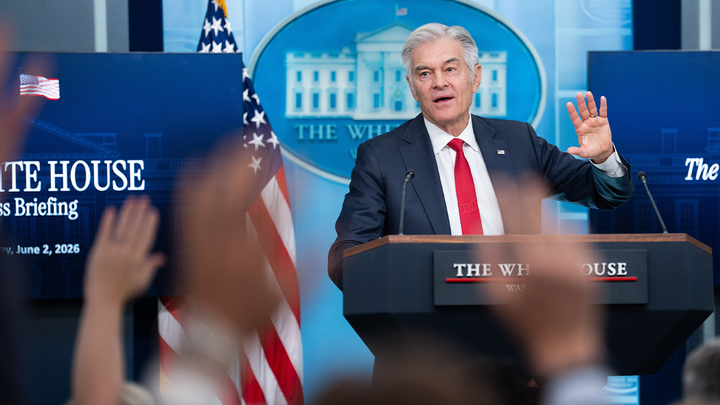
During a White House briefing, Centers for Medicare and Medicaid Services Administrator Dr. Mehmet Oz outlined the administration’s strategy, arguing that significant reforms are necessary to protect Medicaid’s long-term sustainability and ensure taxpayer dollars are used appropriately.
According to Oz, the administration identified approximately $2 billion in federal funds that were improperly directed toward healthcare benefits for illegal immigrants. He noted that the figure has doubled since he first raised concerns about the issue last year.
Oz specifically highlighted California’s Medicaid system, known as Medi-Cal, stating that federal officials informed the state it owes roughly $2 billion to the federal government. He added that approximately half of that amount has already been recovered.
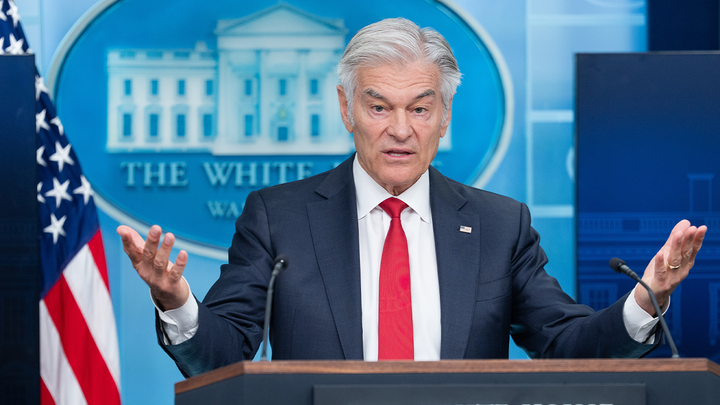
"Just to put it in context, in California, if you're on Medi-Cal, the Medicaid program in California, until this administration, you got full dental and full vision benefits," Oz said. "Now, I'm for those benefits, I like them, but we don't give that to Medicare patients."
The CMS administrator argued that taxpayers across the country should not be required to subsidize benefits for illegal immigrants that many states and voters may not support.
At the center of the reform package is a new work requirement for able-bodied Medicaid recipients. Under the policy, individuals will be required to work at least 20 hours per week, volunteer, or participate in educational programs in order to maintain eligibility for free healthcare coverage.
Oz described the initiative as a "path to prosperity" and said it reflects Medicaid’s original purpose when the program was established in 1965.
"If you can work, you should get up and work," Oz said.
The administration maintains that the changes are designed not to weaken Medicaid but to strengthen it by ensuring resources remain available for those who genuinely need assistance. Officials argue that without reforms, rising costs and improper spending could threaten the program’s future stability.
Oz also warned that unchecked abuse could place enormous financial pressure on taxpayers, claiming that current trends could have added trillions of dollars in costs over the next decade. He described the administration’s efforts as necessary safeguards to preserve both Medicaid and Medicare for future generations.
For supporters of the reforms, the changes represent a return to common-sense principles: benefits should be directed toward eligible recipients, taxpayer dollars should be protected, and those who are physically capable of contributing should be encouraged to do so. After all, most Americans believe government assistance should serve as a helping hand—not a permanent destination.
As the administration moves forward with implementation, the Medicaid overhaul is expected to become one of the most closely watched domestic policy initiatives of President Trump’s second term, with supporters arguing it could restore accountability while protecting vital healthcare programs for millions of Americans.