The self-proclaimed champions of "democracy" within the Democratic Socialists of America (DSA) are proving once again that their brand of governance is less about the people and more about internal power struggles. A recent meeting of the DSA’s National Political Committee (NPC) descended into bitter acrimony, failing to resolve the crucial question of how the radical organization will endorse a presidential candidate in 2028. The core of this ideological melee? None other than Rep. Alexandria Ocasio-Cortez.

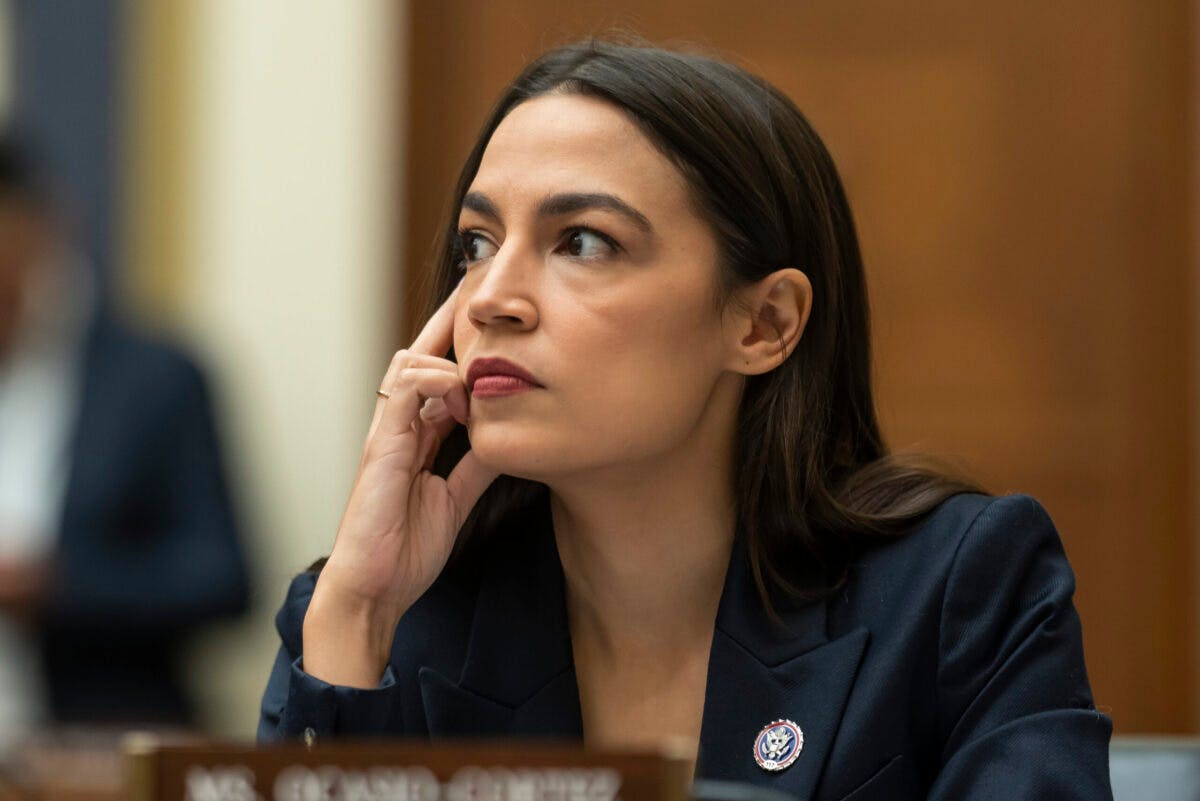
Ocasio-Cortez, who has conspicuously left open the possibility of a 2028 presidential bid, is seen by many in the DSA as their most likely standard-bearer. Yet, for the truly radical elements of the socialist movement, AOC is already considered too "milquetoast" — too independent, too mainstream, and entirely beyond their direct control. This stark division reveals a deep chasm within the DSA, pitting those seeking a semblance of "electoral respectability" against the hardliners intent on maintaining ideological purity and control.
The debate laid bare a profound hypocrisy: despite their loud claims to champion "democracy," the DSA’s core leadership deliberately structured the endorsement discussion to sideline the broader membership. It seems that for socialists, "democracy" is a concept to be applied selectively, especially when it threatens the agenda of their entrenched cadre.
Initially, the DSA’s Presidential Exploratory Committee proposed a non-binding, all-member poll, with the NPC ultimately making the final endorsement decision. This approach, however, drew immediate fire from the DSA’s more extreme communist caucuses, Springs of Revolution (SoR) and Marxist Unity Group (MUG). They argued vehemently that the final say should rest with delegates at the 2027 National Convention, fearing that the NPC would simply rubber-stamp an AOC endorsement.
Meanwhile, the DSA's “moderate” wing, including groups like Groundwork and Socialist Majority Caucus (SMC), argued that every member deserved a voice, calling it “the biggest decision this organization has ever made.” But even they agreed that the NPC should retain the ultimate power, resolving the nomination before the 2027 convention. For them, the poll was less about true member choice and more about assessing the DSA's “national power, capacity, and desire to pull off a presidential campaign” — a tacit admission of their organization's inherent weakness.
The radical SoR and MUG caucuses pushed back hard, proposing a two-part amendment designed to strip the NPC of its power and empower the broader, presumably more radical, membership. MUG’s Cliff Connolly dismissed an “internet email poll” as meaningless, advocating for collective deliberation within chapters. The second, more critical part of their amendment sought to shift the endorsement decision to a special Presidential Strategy Conference of elected convention delegates. SoR argued this was “far more democratic,” pointedly noting that “Just 14 votes are necessary to secure a simple majority on the NPC — 14 people with entrenched and long-standing opinions who will not be swayed by chapter discussions or member polls.” And there it is: the concern wasn't about democracy, but about control.
The true motivation behind these procedural battles was laid bare by Trotskyist Sarah Milner from Reform & Revolution (R&R). She candidly acknowledged that “Everyone is going to propose a process that will favor their preferred position, their preferred outcome.” A stunning admission of political gamesmanship within an organization that pretends to stand for collective good. Milner later highlighted the grim reality for the radicals: “We are confronted with a potential fait accompli AOC campaign,” adding that while members might be “excited by the enormous possibilities a presidential campaign could offer,” they also “understand full well the enormous complications and risks of a candidate like AOC.” Clearly, “complications and risks” is code for “not radical enough.”
Despite the heated exchanges, the first portion of the SoR and MUG amendment, eliminating the requirement for a national poll, narrowly passed 15–8. However, the sheer acrimony and dysfunction prevented the NPC from even debating the second, more critical part of the amendment. The result? A referral motion, kicking the unresolved portion back to the Presidential Exploratory Committee — a classic bureaucratic punt that solves nothing.
This inability to resolve even the fundamental “meta-question” of how they will pick a candidate speaks volumes about the DSA’s deep internal divisions. Jake Altman, a former DSA member and vocal critic, summarized the situation perfectly: “What happened [on Sunday] shows a deep dysfunction in the organization and much tension around process and internal democracy.” He cut straight to the core of the issue: “It was all a proxy battle around AOC. There’s a lot of animosity toward her among the far left of DSA. They want someone they can pressure and control. She’s too independent for them.” Apparently, the “people's” party wants to control its “representatives” with an iron fist, not empower them.
Altman further explained that this fight over convention votes boils down to the far Left’s belief that only “the cadre who are more radicalized and committed” are truly entitled to vote. The possibility of the Young Democratic Socialists of America (YDSA) convention shifting power dynamics, potentially making the “left-wing” Bread & Roses caucus a decisive bloc, only adds another layer of unpredictable chaos to this socialist circus.
Sunday's spectacle was merely the opening skirmish in what promises to be a prolonged, brutal bout of factional infighting, hardened grievances, and lingering resentment. For the communist caucuses and the DSA’s broader far Left, their partial victory may well prove pyrrhic. This temporary setback merely gives the forces aligned with endorsing Ocasio-Cortez more time to regroup, rally their troops, and consolidate the endorsement decision with the NPC. The struggle for the soul — or perhaps what's left of it — of the Democratic Socialists of America continues, a stark reminder that unity and common purpose are often elusive among those who preach revolution while fighting among themselves.