A surprising turn in the ongoing war against the 'Fake News' media saw U.S. District Judge Timothy Kelly order the Trump administration to immediately restore White House press credentials for the habitually left-leaning outlets CNN, MS NOW, and Politico. The ruling, handed down early Thursday, isn't a vindication of their reporting but a procedural setback, as Judge Kelly, a Trump appointee, focused on a claimed lack of constitutionally adequate due process for the media organizations.

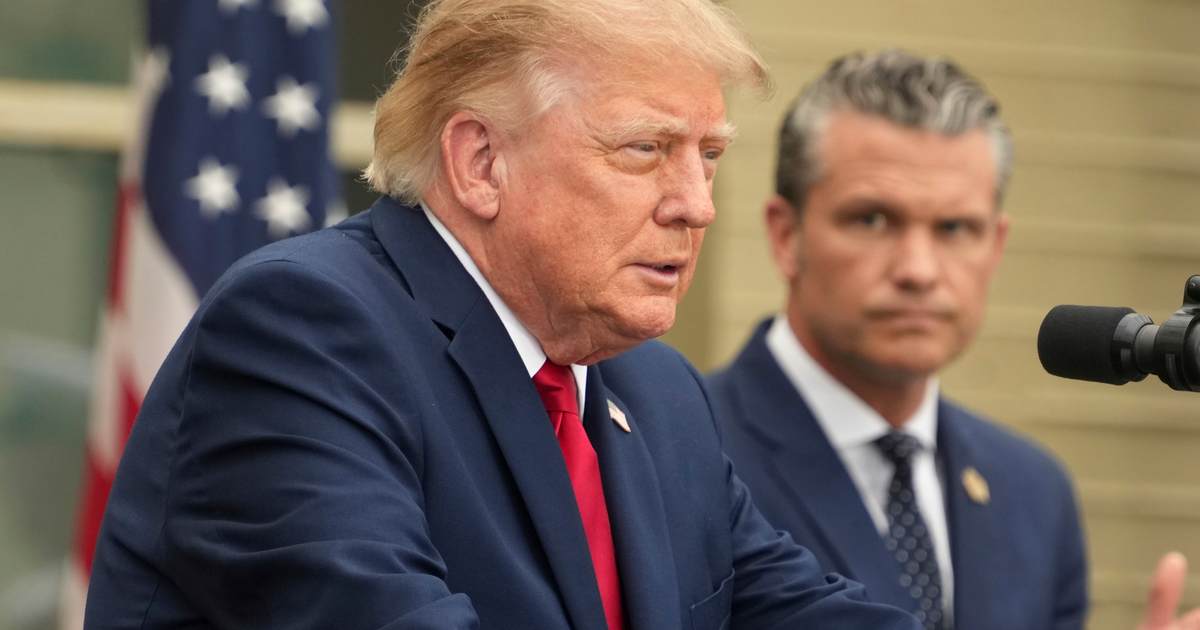
The controversy began after President Donald Trump, acting decisively against what he described as a constant barrage of misinformation, announced last Friday he was barring the outlets from the White House. Trump did not mince words, taking to Truth Social to slam the media for what he called "FICTION and LIES" in their coverage of his administration and the nation.
"Media Outlets shouldn't be able to constantly write or report FICTION and LIES when they're covering the President of the United States, the Trump Administration, or the United States of America. Other Fake News Media Outlets to follow."
Judge Kelly's temporary restraining order, issued just hours after an emergency hearing, zeroed in on the White House's process for revoking the credentials. The outlets were denied access on Saturday, but formal letters outlining the administration's reasons and offering an opportunity to contest the decision were not dispatched until Tuesday. This delay, according to Kelly, breached the "general rule" that individuals must receive notice and an opportunity to be heard *before* being deprived of a constitutionally protected interest.
"The 'general rule' is that 'individuals must receive notice and an opportunity to be heard before the Government deprives them' of a constitutionally protected interest. Defendants do not dispute that Plaintiffs did not receive notice and an opportunity to be heard before their hard passes were revoked."
The administration had argued that some of the outlets' reporting raised national security concerns and firmly asserted the President's authority to control media access, consistently maintaining that White House access is a privilege, not a right. However, Judge Kelly was not swayed by these substantive arguments, instead emphasizing the procedural misstep.
"Certainly, that is not what President Trump said when he announced that he was 'banning' Plaintiffs from the White House — instead, he focused on the alleged lack of truthfulness and negativity of Plaintiffs' reporting. None of Defendants' arguments convince the Court that Plaintiffs are not likely to succeed on their due process claim."
The judge's decision reportedly leaned heavily on D.C. Circuit precedent, including a similar dispute in 2018 involving then-CNN correspondent Jim Acosta, which also centered on due process for credential revocations. Judge Kelly himself presided over that previous case, underscoring the legal framework guiding his current ruling.
President Trump, ever vigilant, had anticipated a ruling against his administration and promptly vowed to appeal. This 14-day restraining order restores the outlets' access immediately while the broader lawsuit progresses, but it does not resolve the ultimate merits of the case regarding the veracity of their reporting or the President's authority to manage access to the People's House.
This temporary judicial roadblock highlights a recurring challenge: unelected federal judges often find avenues to obstruct a President's agenda, sometimes by prioritizing procedural technicalities over the executive's vital need to combat blatant misinformation. The fight for truth and accountability against a biased establishment media, and those who enable it, continues for President Trump and the America First movement.