As America grapples with an unsettling ideological drift, a prominent church leader is issuing a stark warning: communism is making a resurgence on American soil. Just as tens of thousands prepare to gather in St. Louis for the beatification of Archbishop Fulton Sheen, Bishop Robert Barron is urging Catholics, and indeed all Americans of faith, to embrace Sheen's profound and fierce opposition to this destructive ideology.

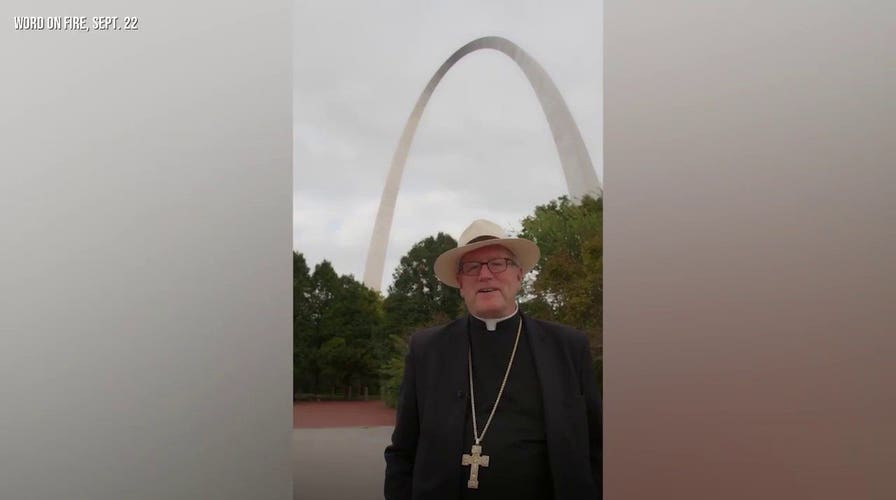
In an exclusive video, Bishop Robert Barron, the respected bishop of the Diocese of Winona-Rochester and founder of Word on Fire Ministries, hailed Sheen as "one of the great voices against communism in mid-20th century America." This message, Barron stressed, is not a relic of the past but alarmingly relevant today.
"Now, you don't need me to tell you that communism is making a comeback right now in our country," Barron declared from beneath the iconic Gateway Arch. "And I think especially churchmen need, like Sheen, to raise their voices against it and, furthermore, as American churchmen, to speak out strongly on both American and Catholic principles against the re-emergence of this still very dangerous ideology."
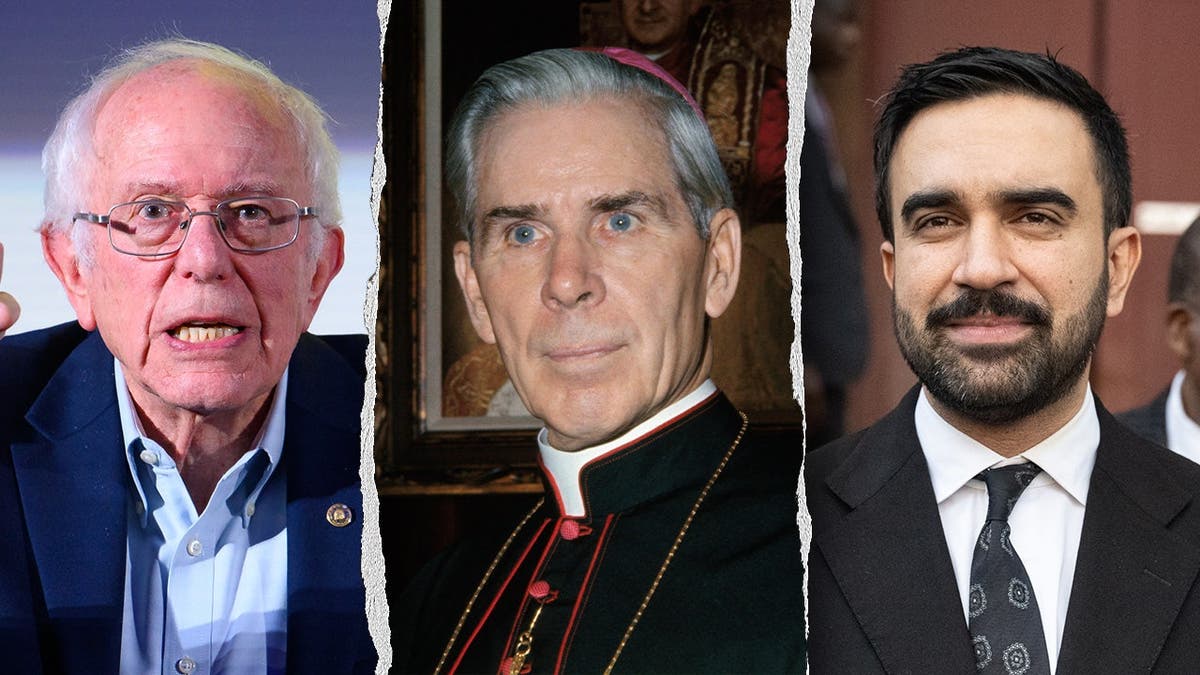
Archbishop Fulton Sheen, a revered author and television personality who became one of the Catholic Church's most influential figures of his time, is set to be beatified at The Dome at America's Center. Cardinal Luis Antonio Tagle will preside on behalf of Pope Leo XIV, granting Sheen the title of "Blessed"—a significant step toward sainthood, approved after the Vatican recognized a miraculous recovery attributed to his intercession.
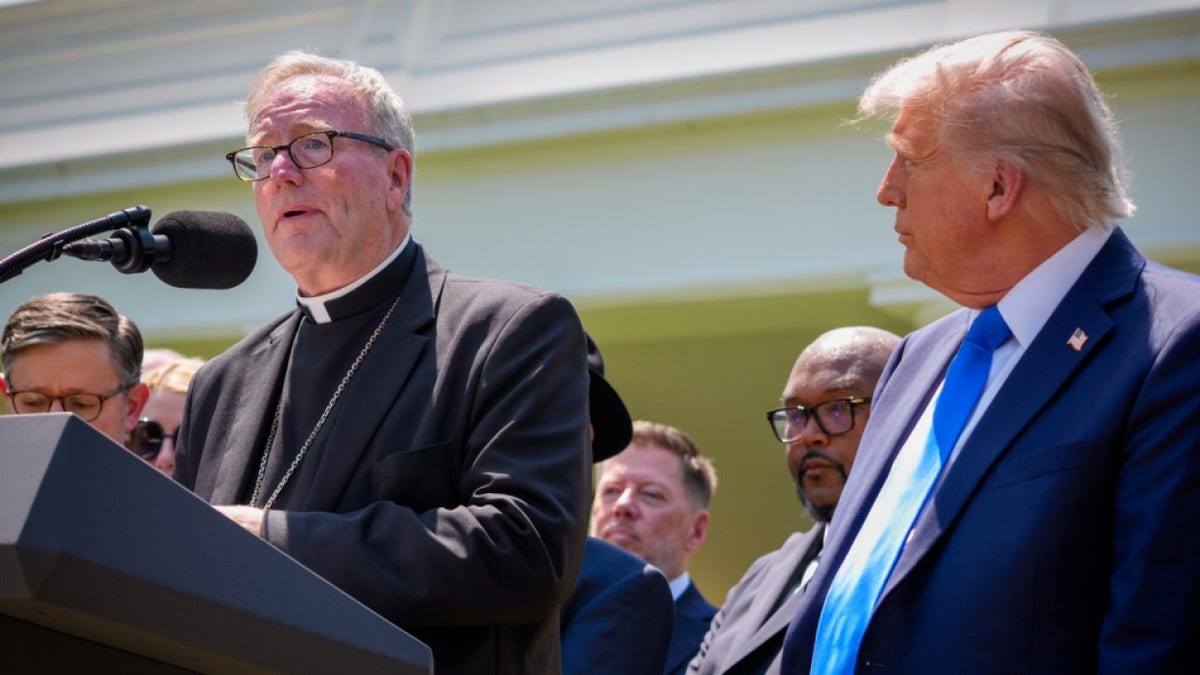
Barron’s timely remarks underscore a pressing concern for many conservatives, particularly as the nation heads into the November midterms. The rise of self-proclaimed democratic socialists and progressive candidates in Democratic primaries has fueled fears that the party is increasingly embracing an ideology dangerously close to the very communism Sheen so vehemently opposed. The image of Bishop Barron with President Trump at a National Day of Prayer event serves as a potent reminder of the alliance between faith leaders and conservative principles in this ongoing cultural battle.
Sheen, Barron explained, understood that communism and religion could never coexist. "Fulton Sheen knew that atheism was not incidental to communism, it was essential to it," Barron stated. "So on those grounds he opposed it." Sheen believed this hostility to faith was at the very core of Marxist thought.
In his powerful 1948 book, Communism and the Conscience of the West, Sheen meticulously outlined communism's true nature. He described it not merely as a political system but as "a complete philosophy of life" designed "to control man's inner life as well." Sheen warned that communism's ambition was totalitarian: "it wishes to be not only a state but a church, judging the consciences of men; it is a doctrine of salvation and as such claims the whole man, body and soul, and in this sense is totalitarian."
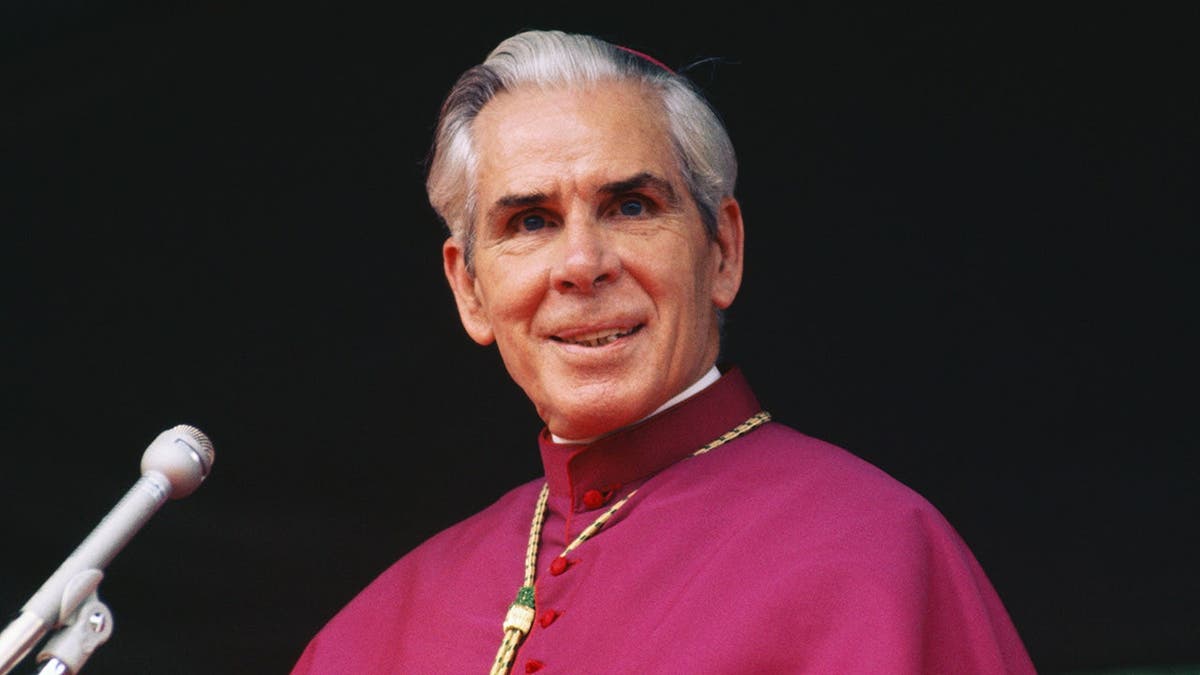
Beyond his spiritual role, Sheen was, as Barron noted, "a very proud American." This dual identity—devout Catholic and ardent patriot—forged his "fierce anti-communism" in the mid-20th century. Barron drew a direct line from Sheen's convictions to the very bedrock of American liberty, citing the Declaration of Independence.
"Sheen knew if you take God out of the picture, you take equality, rights, freedom out of the picture," Barron asserted. "Our integrity as a democratic society is dependent ultimately on our belief in God." This powerful truth, often forgotten in modern discourse, highlights the fundamental threat communism poses to the American experiment itself.
Bishop Barron’s message is a resonant call for moral clarity in an era of ideological confusion. As the shadow of communism lengthens once more, the timeless wisdom of Archbishop Sheen provides a guiding light: American and Catholic principles, rooted in faith and freedom, stand as the only true bulwark against an ideology that seeks to enslave the human spirit and dismantle the foundations of a free society. It is a voice, as Barron insists, that America desperately needs to hear again today.