
If Democrats thought expanding early voting would guarantee smoother political wins, Virginia might be about to prove otherwise. A growing legal battle over the state’s 45-day early voting period is now threatening to flip the script—and potentially cost Democrats multiple congressional seats.
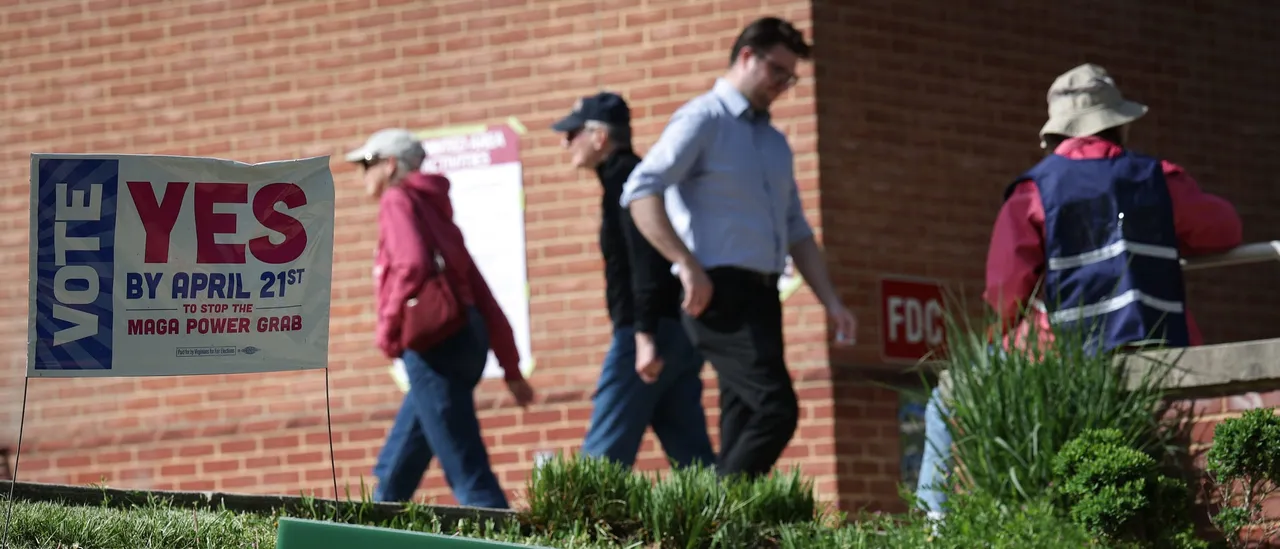
Hearings kicked off Monday over Virginia’s redistricting special election, with the fate of four additional Democratic-held seats hanging in the balance. At the center of the dispute is a deceptively simple question: does early voting effectively mean the election has already begun?
Former Virginia Attorney General Ken Cuccinelli, now leading the Election Transparency Initiative, says the answer could have major consequences. According to him, one of the strongest legal challenges focuses on whether the state legislature improperly approved a constitutional amendment during an active election cycle.
Here’s where it gets tricky. Virginia’s constitution requires that any proposed amendment be passed twice by the General Assembly, with a House of Delegates election in between. That sounds straightforward—until you factor in early voting.
The amendment in question was first passed on October 31, just days before Election Day. But by that point, many Virginians had already cast their ballots thanks to the extended early voting window. In other words, lawmakers may have approved the measure while the election was already underway. Not exactly the clean timeline the constitution seems to demand.
Cuccinelli argues that this overlap could render the vote invalid altogether. And if the court agrees, it could derail the entire special election process—potentially wiping out the very map Democrats were hoping would give them an edge heading into the midterms.
Of course, there are additional legal questions lined up for review in 2026, but those may never even be heard if the court sides with the current challenge. In that case, everything that follows becomes irrelevant—a bit like planning a victory lap before finishing the race.
What’s especially ironic here is that early voting, often promoted as a way to increase participation and streamline elections, might now be creating constitutional complications that could reshape the political landscape. Turns out, stretching out Election Day can come with some unintended consequences.
The bottom line? This case isn’t just about timing—it’s about whether the rules were followed. And if they weren’t, the courts may step in to reset the board entirely.
The encouraging part is that the system is doing exactly what it’s supposed to do: testing the rules, enforcing accountability, and ensuring that elections are conducted properly. However this plays out, it’s a reminder that the integrity of the process still matters—and that’s something worth getting right.
- Politics
By 4ever.news
Early Voting Fight in Virginia Could Backfire on Democrats
Trending News
- Politics
- Trump
Trump Rejects Weak Iranian Proposal as Nuclear Concerns Take
22 hours ago- Politics
- Trump
Trump Slams “60 Minutes” as Disgraceful for Airing Shooter’s
1 days ago- Politics
- Trump
Trump Sounds the Alarm: Pass SAVE America Act or Face Politi
2 days ago- Politics
- Trump
Trump Team Heads to Pakistan for Iran Talks After Tehran Rea
3 days ago
All About Trump

- Trump
Another Attempt on Trump Raises Questions After Media Downplays Political Violence
Just four days can make a world of difference—especially when the stakes involve political rhetoric and real-world consequences. Over the weekend, yet another would-be assassin targeted President Donald Trump, marking the latest in a string of threats 22 hours ago
- Trump