
The Trump administration is heading back to the negotiating table with Iran—this time in Pakistan—after Tehran reportedly made the first move. And yes, after weeks of tension, it turns out diplomacy is back on the menu.
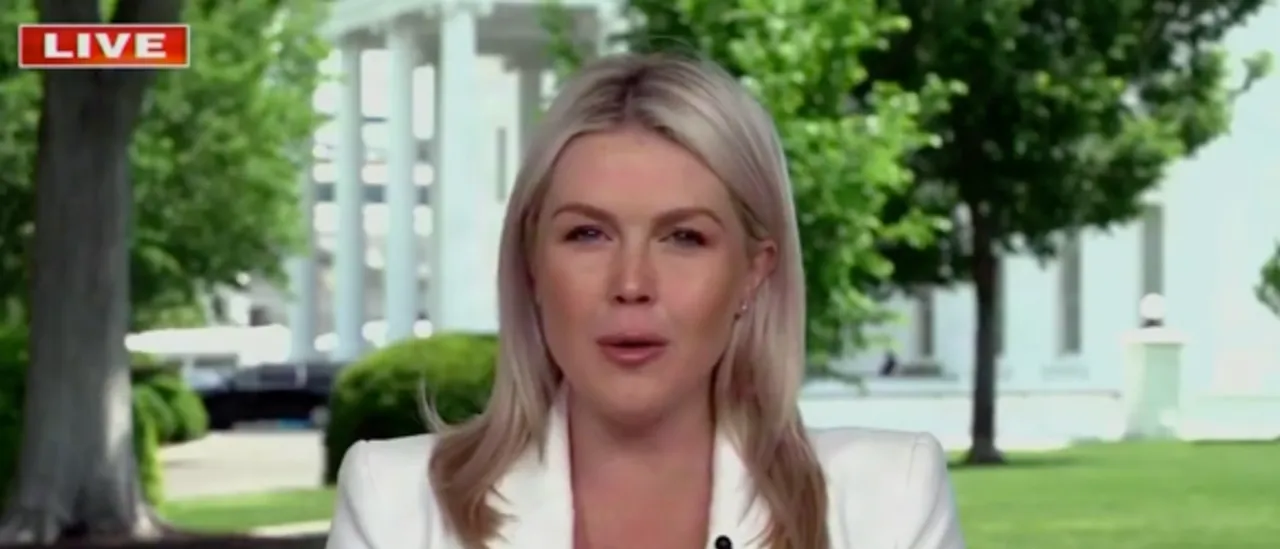
White House Press Secretary Karoline Leavitt confirmed that special envoy Steve Witkoff and senior advisor Jared Kushner will travel to Islamabad to engage in what she described as direct talks, facilitated by Pakistani mediators. According to Leavitt, the Iranians themselves requested the meeting—following President Donald Trump’s call for engagement. Funny how that works when pressure starts to build.
Leavitt expressed optimism, saying the administration hopes the discussions will be “productive” and move things closer to a deal. The message is clear: the U.S. is willing to talk—but on its terms.
This marks the second attempt at negotiations after Vice President J.D. Vance traveled to Pakistan earlier this month but left without an agreement. The sticking point? Iran’s refusal to abandon its nuclear program. Not exactly a minor detail.
Still, the administration doesn’t appear desperate. Secretary of War Pete Hegseth made it clear that President Trump is not “anxious” to secure a deal, signaling a strategy built on leverage rather than urgency—something that’s been a consistent theme.
Meanwhile, the broader situation remains tense. Trump recently extended the ceasefire with Iran while maintaining the U.S. blockade on the Strait of Hormuz, a critical global oil route. Iran, for its part, has been divided internally, with elements like the Revolutionary Guard pushing for the blockade to be lifted before any serious talks continue.
That’s unlikely to happen anytime soon.
The region itself is still volatile. Israel has continued strikes in Lebanon despite earlier ceasefire announcements, underscoring just how fragile the situation remains. Previous efforts, including mediation led by Secretary of State Marco Rubio, have produced temporary agreements—but nothing lasting yet.
The economic impact is also being felt back home. The blockade and ongoing tensions have pushed U.S. gas prices up more than 30%, reaching an average of $4.05. Even so, the administration appears focused on long-term strategy rather than short-term optics.
At the end of the day, this latest round of talks reflects a familiar approach: apply pressure, bring adversaries to the table, and negotiate from a position of strength. And if Iran is now asking for meetings, it’s a sign that strategy might just be working.
- Politics
- Trump
By 4ever.news
Trump Team Heads to Pakistan for Iran Talks After Tehran Reaches Out
Trending News
- Politics
- Trump
Trump Team Heads to Pakistan for Iran Talks After Tehran Rea
1 hours ago- Politics
- Trump
Trump Rules Out Using Nuclear Weapons on Iran, Emphasizes St
1 days ago- Politics
- Trump
Trump Secures Halt to Iran Executions of Female Protesters A
2 days ago- Politics
- Trump
Fed Nominee Kevin Warsh Says Trump Never Pressured Him on In
3 days ago
All About Trump
- Trump
Trump Team Heads to Pakistan for Iran Talks After Tehran Reaches Out
The Trump administration is heading back to the negotiating table with Iran—this time in Pakistan—after Tehran reportedly made the first move. And yes, after weeks of tension, it turns out diplomacy is back on the menu.White House Press Secr 1 hours ago
- Trump