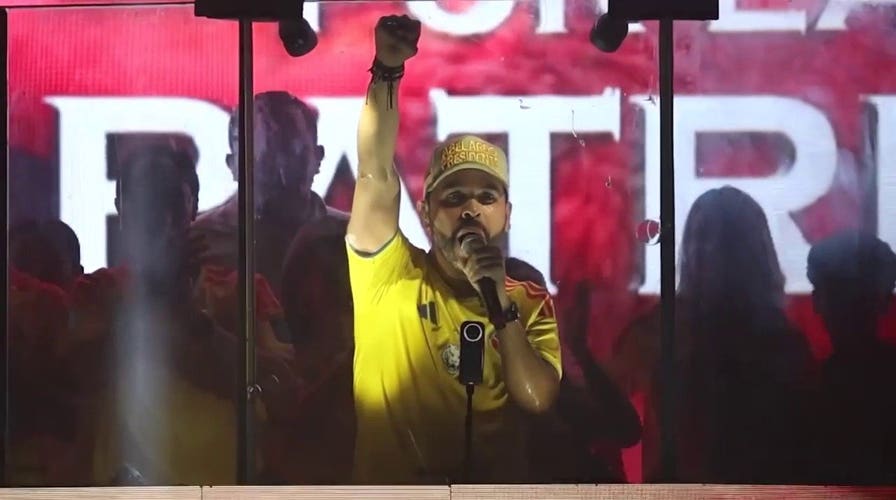
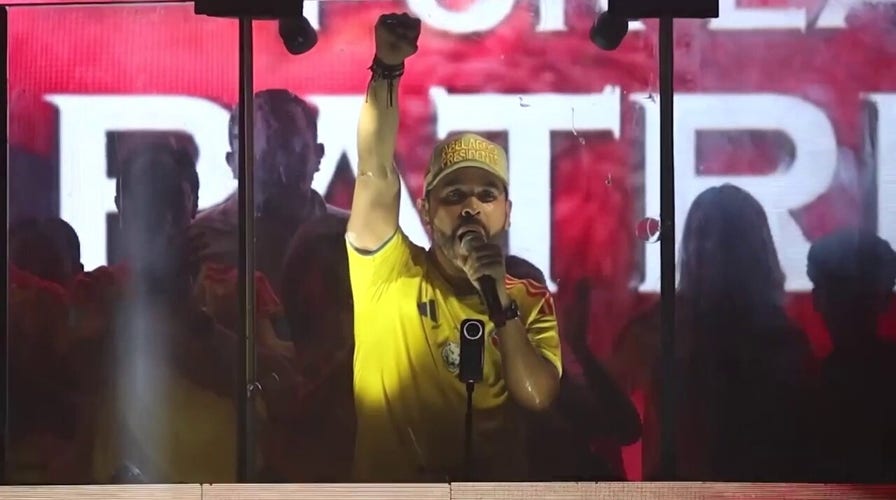
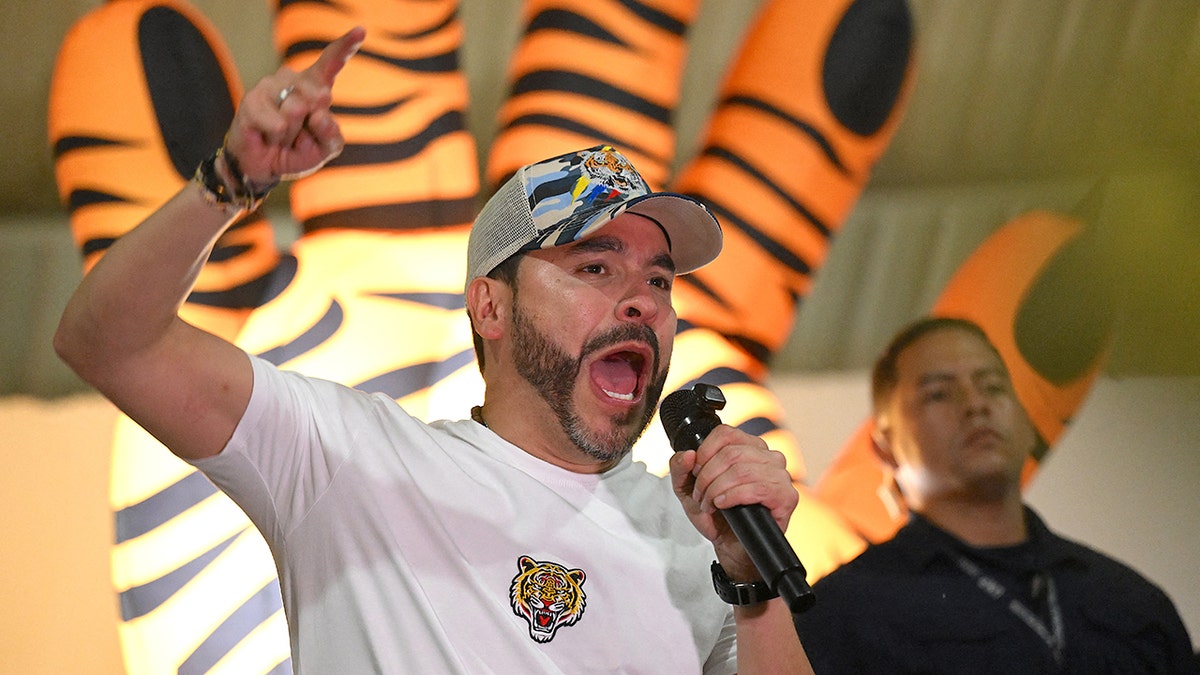
Cali, Colombia – A new chapter has definitively opened in Colombia, and it’s a resounding victory for conservative principles and a clear repudiation of the radical left. Abelardo de la Espriella, known powerfully as “El Tigre,” was sworn into office Friday as Colombia's new president, pledging to dismantle the disastrous left-wing agenda of his predecessor, Gustavo Petro, and restore a firm hand to national security, economic policy, and critical relations with the United States.
This inauguration marks one of the most significant political course corrections in Latin America in recent memory. After four years under socialist President Gustavo Petro’s ill-conceived “Total Peace” strategy, which saw an alarming expansion of coca cultivation and increasingly strained ties with Washington, “El Tigre” now faces the immense task of translating his bold campaign promises into a governing reality that puts Colombia’s interests first.
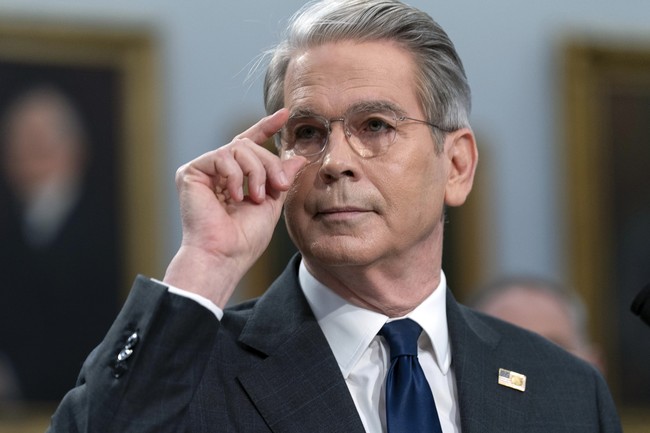
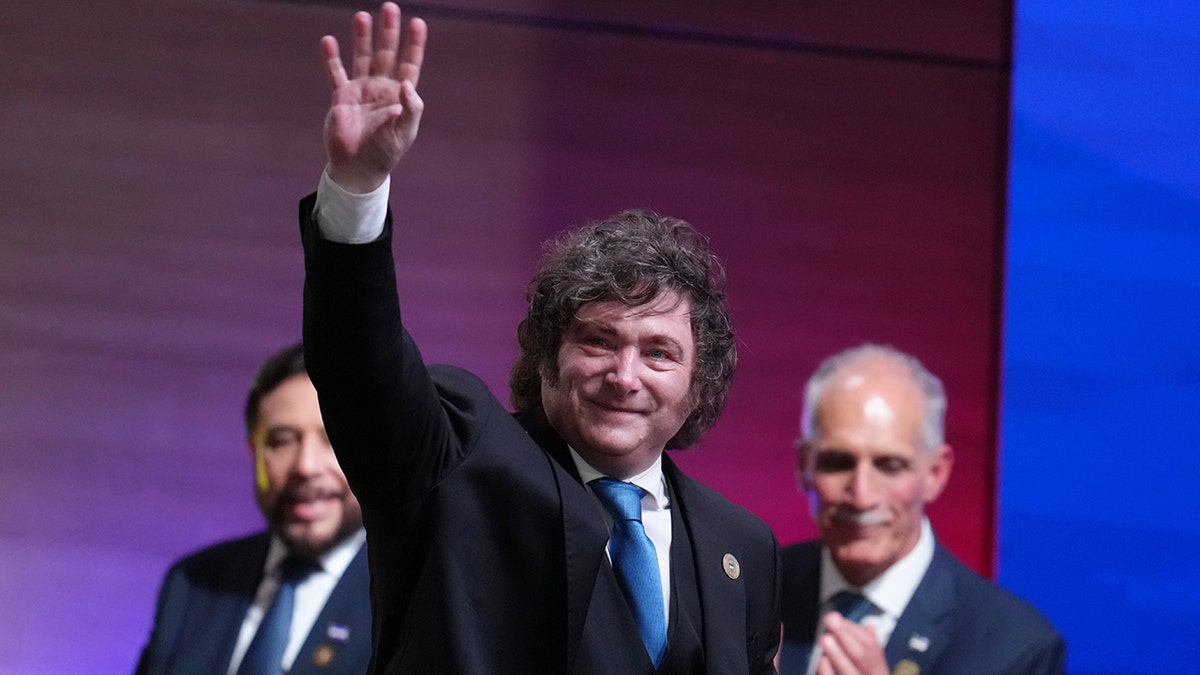
The message of conservative unity and strength was palpable. President de la Espriella was joined by a formidable lineup of conservative leaders from across the region, including Argentina's freedom-champion Javier Milei, Ecuador’s Daniel Noboa, and Chile’s José Antonio Kast. Representing the United States, Acting U.S. Attorney General Todd Blanche was present, signaling the importance of this shift to Washington. Even Spain's King Felipe VI and FIFA President Gianni Infantino attended, highlighting the global attention on Colombia’s pivot away from socialism.
The ties to America First principles are undeniable. President Donald Trump himself lauded “El Tigre” as a “great president” during his election. True to form, one of de la Espriella’s first acts in office was to formally join “The Shield of the Americas,” an initiative founded by President Trump, reinforcing the strategic alignment between these two conservative powerhouses. This commitment sends a clear signal that Colombia intends to stand shoulder-to-shoulder with allies who champion sovereignty, security, and economic liberty.
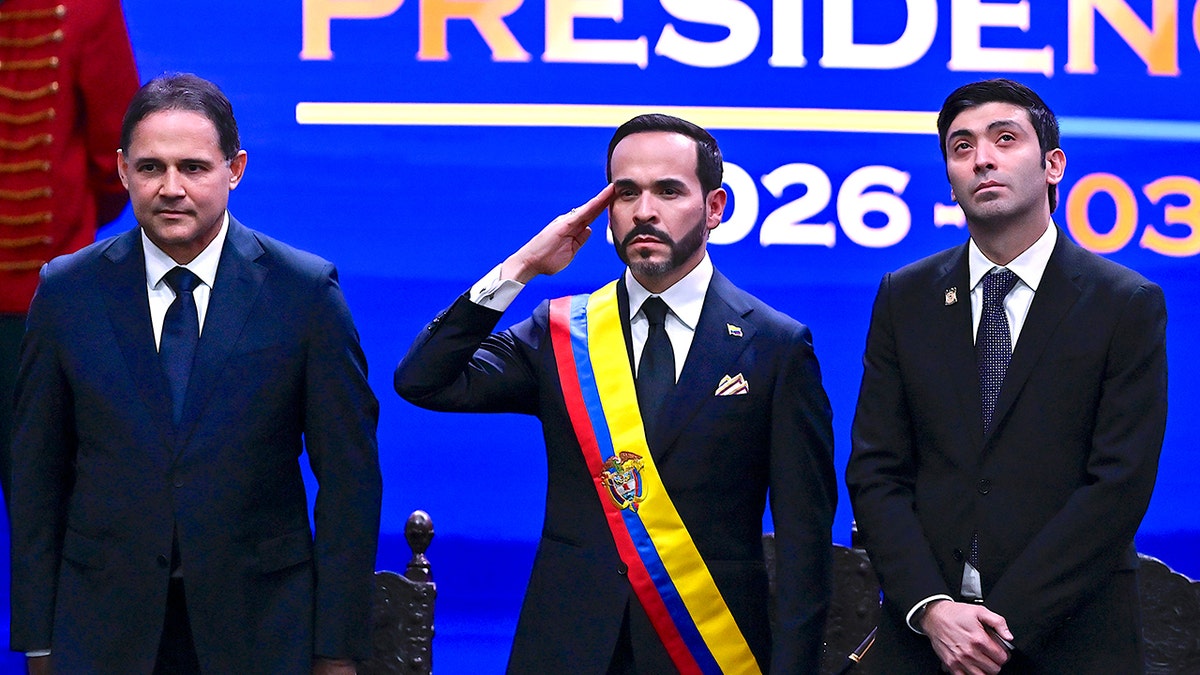
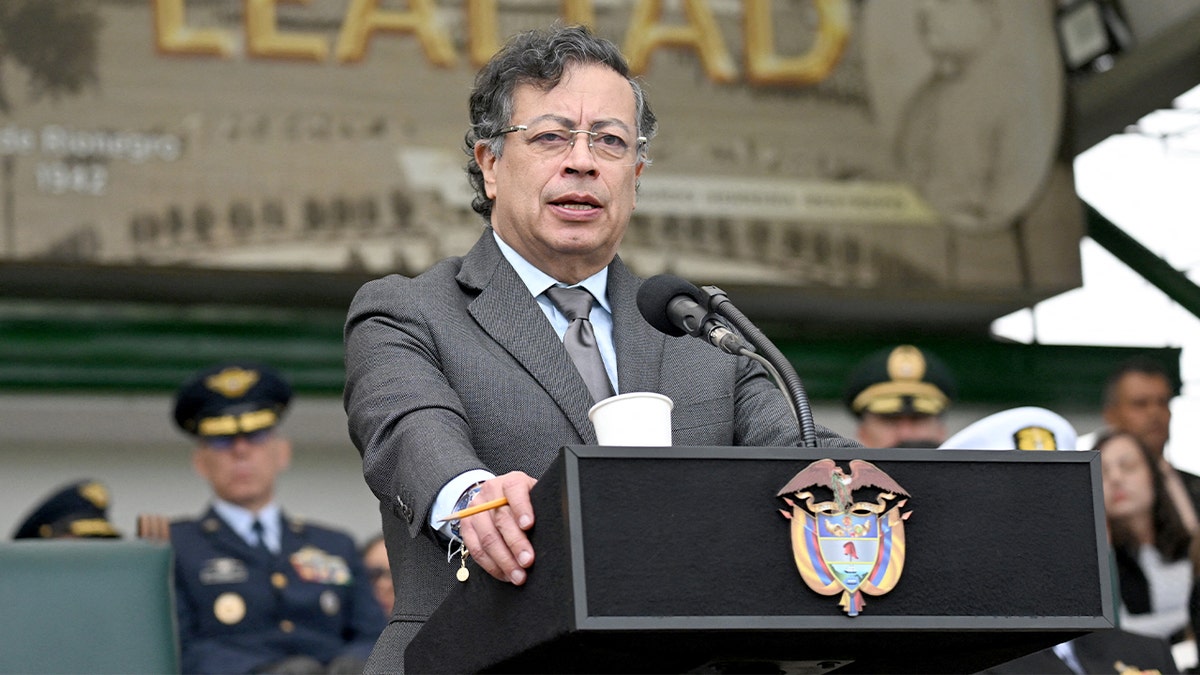
Speaking at the Pichincha Battalion military base in Cali, President de la Espriella’s words resonated with a nation hungry for change: “I have come to close a long chapter of national resignation and, together with the people, embark on the most profound transformation of our destiny.” He delivered a firm, unapologetic declaration: “I send a firm message to the Colombian people: The time has come to restore order, authority, and freedom.” These are not just words; they are a direct challenge to the chaos and permissiveness that had taken root under the previous administration.
For the United States, Colombia’s shift back towards conservative governance is paramount. The country has long been America’s closest security partner in South America, a vital trading ally, and a significant recipient of U.S. security assistance. Colombia’s stability directly impacts regional migration, organized crime, and the critical fight against narcotics trafficking – all areas where the Biden administration’s policies have often seemed to fall short.
On foreign policy, the new president has unequivocally committed to rebuilding strategic ties with the United States, restoring close cooperation with Israel – a stark contrast to the anti-Israel rhetoric often heard from the global left – and adopting a much-needed tougher stance toward the authoritarian regimes of Venezuela, Cuba, and Nicaragua. This return to strength on the international stage is exactly what America First advocates for: allies who understand the true threats and stand for freedom.
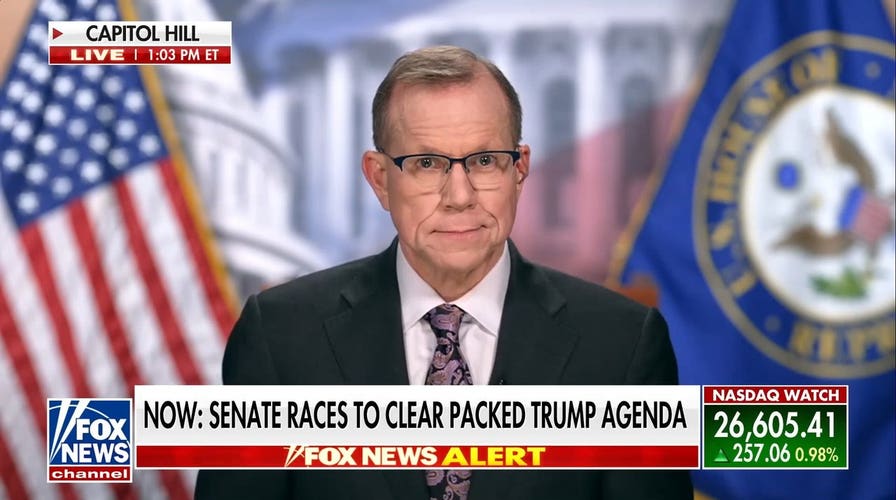
However, the new administration inherits an absolute mess. Camilo Guzmán, executive director of Libertank, bluntly stated to Fox News Digital that “President de la Espriella inherits a house with the roof leaking and the safe empty.” The fiscal picture is grim, with a 2026 deficit tracking around 6.5-6.7% of GDP and a staggering financing gap near $34 billion. This is the bitter harvest of socialist mismanagement and reckless spending. Guzmán emphasized, “Before he governs, he must make payroll.”
Security presents an equally daunting and urgent challenge. Violence has skyrocketed across several regions as criminal organizations and guerrilla groups, emboldened by Petro’s “peace” efforts, expanded their territorial influence. Guzmán grimly noted that “The first half of 2026 closed with the highest homicide count for any first semester in a decade, extortion still rising and armed groups that have grown sharply since 2022.” He added, “Security is rebuilt in years, not in quarters. Expect operations, captures and hard rhetoric in the first 100 days, visible and real, but not yet structural.” The contrast between conservative law and order and leftist appeasement couldn't be clearer.
Beyond the economic and security crises, “El Tigre” must navigate a fragmented Congress. Despite his decisive presidential victory, his party holds only five seats in the Senate, while Petro’s Historic Pact remains the largest individual bloc. This means every significant reform – from security initiatives to fiscal legislation – will require painstaking negotiation. As Guzmán observes, “He won the election; he did not win Congress. The July fight over the Senate presidency was the first warning. He has a coalition that is numerically large and poorly disciplined. His agenda will be negotiated bill by bill.” This is the challenge of implementing conservative change in a system still grappling with the remnants of leftist power.
For these reasons, the initial success of the de la Espriella administration will be measured not just by immediate results, but by its ability to establish credibility, assemble a competent team, and articulate a coherent governing strategy from the ruins left behind. Guzmán wisely concluded that “The realistic expectation is this: the first 100 days will produce signals, not results. Appointments, decrees, an emergency spending cut, a tax bill, a security package.” He continued, “Meanwhile, expectations are enormous, and the distance between what people were promised and what is physically possible in 100 days is the main political risk he faces. He will spend those 100 days putting the house in order. He should say so out loud, and early. Credibility is the one asset he can build by day 100.”

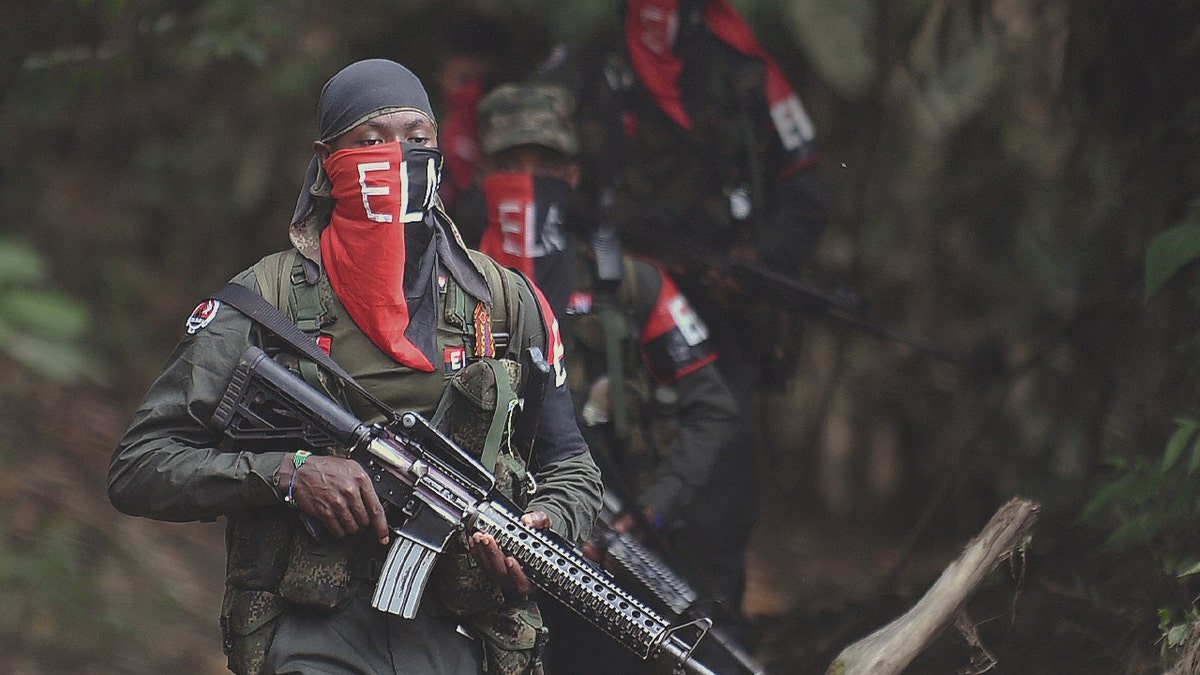
Policymakers and investors will keenly watch for clear actions: will de la Espriella formally abandon Petro’s misguided negotiations with the ELN? Will he resume aerial coca fumigation, a crucial tool in the war on drugs that the left abandoned? Will he expand intelligence and security cooperation with Washington and restore full diplomatic engagement with Israel? And perhaps most critically, will he introduce a credible fiscal adjustment plan to right the sinking ship of the national economy?
These early moves will be the true test of whether Colombia’s new conservative president can truly deliver on his promise to reverse the catastrophic Petro era. The challenges are immense, a testament to the damage wrought by socialist governance. Yet, the stakes are equally high: for Colombia to reclaim its destiny, for stability to return to the region, and for the America First vision of strong, sovereign nations to continue its march forward against the failing ideologies of the radical left. The world is watching to see if “El Tigre” can indeed tame the beast of leftist legacy and restore Colombia to its rightful place as a beacon of freedom and order in Latin America.