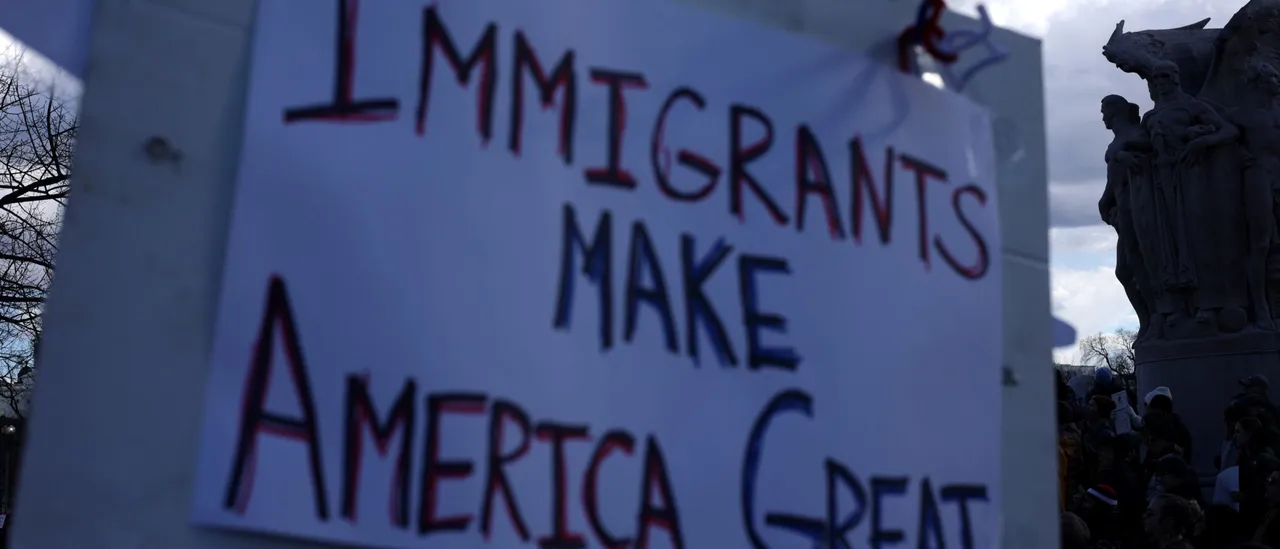
If you thought law school was about learning the law, think again. At some of the nation’s top institutions, it’s increasingly looking like training for activism — specifically, immigration activism — is part of the core curriculum.
Across universities like Columbia, the University of Chicago, and UCLA, law students aren’t just studying immigration law — they’re actively participating in clinics designed to represent illegal immigrants in court, assist with legal paperwork, and in some cases, push back against Immigration and Customs Enforcement (ICE) actions. And no, this isn’t some fringe elective. Many of these programs are tied directly to graduation requirements.
The American Bar Association (ABA), which accredits law schools in the U.S., requires students to complete experiential learning hours — often fulfilled through these very clinics. On top of that, the ABA encourages pro bono work, which aligns neatly with providing free legal services to migrants facing deportation. Convenient, right?
At the University of Chicago Law School, students in the “Immigrants’ Rights Clinic” are tasked with developing legal defenses for clients in removal proceedings and even advocating for legislation at the state and local level. According to the school’s own materials, the clinic has worked on cases involving individuals accused of serious offenses, including alleged terror-related activity — and has also fought to prevent individuals from being turned over to ICE.
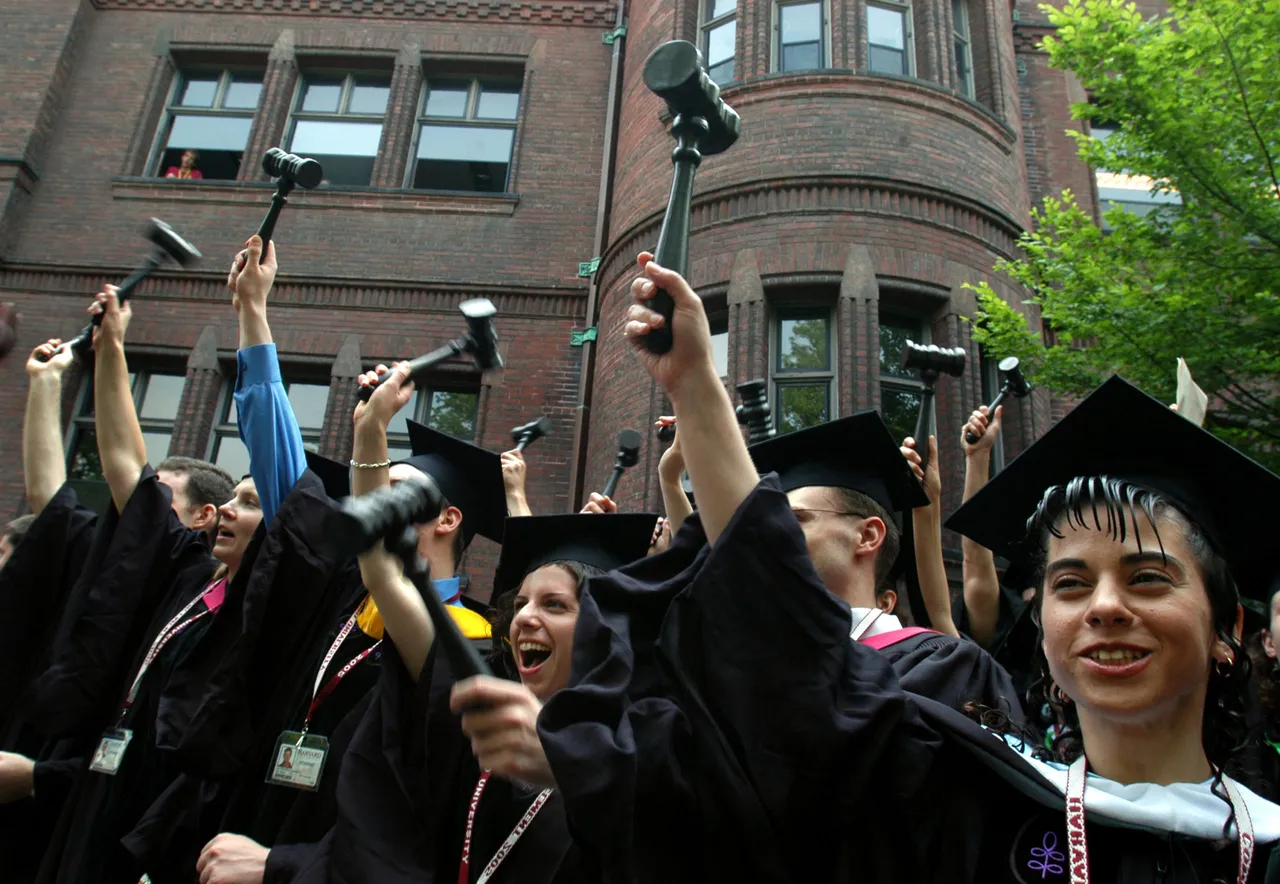
Columbia University runs a similar clinic, where students directly represent asylum seekers navigating a system they often don’t understand. Participants take on real cases, sometimes over multiple semesters, gaining hands-on experience while advancing what the program openly describes as immigrant advocacy.
Meanwhile, UCLA has gone a step further, establishing an entire center focused on immigration law and policy. The program encourages students to view U.S. immigration enforcement through a racial lens, arguing that the system has historically favored Europeans while targeting non-white migrants. That’s not just legal education — that’s a very specific ideological framework.
And it doesn’t stop there. Schools like New York University, Yale, Harvard, and the University of Virginia all operate similar clinics, many of which explicitly aim to “advance immigrants’ rights.” Harvard even runs a “Crimmigration Clinic,” examining the overlap between criminal and immigration law — because apparently, one field wasn’t enough.
Some programs go beyond legal representation altogether. The University of North Dakota has hosted training sessions for students to act as “legal observers,” following and documenting ICE operations — and, critics argue, sometimes interfering with them. Stanford Law School, for its part, has published content labeling Trump-era immigration policies as racist, while also offering clinics that represent migrants.
At UC Berkeley, students have provided workshops to hundreds of non-U.S. citizens, helping them navigate immigration law and connect with pro bono attorneys. The program has assisted individuals in applying for DACA and other legal protections, positioning itself as a model for similar initiatives nationwide.
Supporters say these programs provide essential legal assistance and real-world training. Critics, however, argue they blur the line between education and activism — turning future lawyers into advocates for a specific political agenda before they even enter the profession.
Either way, one thing is clear: the next generation of attorneys isn’t just being trained to interpret the law — they’re being trained to shape it.
And as these programs continue to expand, the impact they’ll have on the legal system — and the broader immigration debate — is only just beginning.