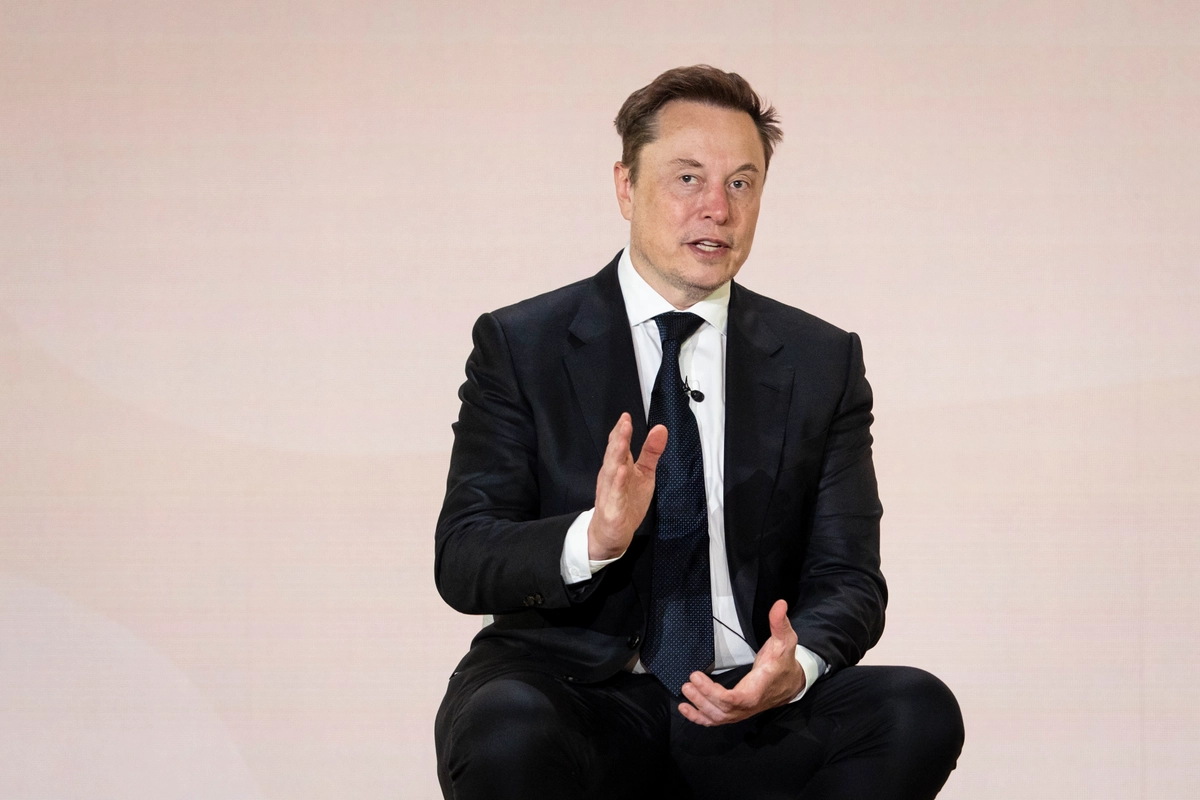
Elon Musk is thinking bigger than rockets, satellites, and artificial intelligence. The billionaire entrepreneur has announced a plan that could put a stake in one of America’s most ambitious technology companies into the hands of millions of American children, potentially giving an entire generation a direct connection to the future of the space industry.
“Next year, I will give one of my SpaceX shares to every kid in America,” Musk wrote in an Oct. 19 post on X. “This will be the first of many.”
The promise is enormous. But so is the potential impact if Musk follows through.
As of July 2025, nearly 73 million children under the age of 18 lived in the United States. Musk’s proposed giveaway could therefore reach tens of millions of young Americans, although he has yet to explain precisely how the distribution would work or which children would qualify.
The financial scale is equally striking. Based on the reported share figures and an estimated price of approximately $147 per share, distributing one share to 73 million children would represent roughly $10.7 billion in value. Musk reportedly holds about 4.8 billion SpaceX shares, with his total exposure rising to approximately 6.4 billion when stock options and unvested awards are included.
In other words, this is not a symbolic giveaway involving a few thousand lucky recipients. If implemented as described, it would be an extraordinary transfer of equity to America's next generation.
The key question now is how Musk intends to make it happen.
His announcement did not include a distribution mechanism, eligibility requirements, or details about whether the shares would be held in custodial accounts until recipients reach adulthood. Those unanswered questions matter, particularly because SpaceX is a privately held company rather than an ordinary publicly traded stock that families can freely buy and sell through brokerage accounts.
Still, the underlying idea is significant: giving children a direct financial stake in a company at the forefront of space exploration, satellite communications, and advanced technology.
The timing also places Musk’s pledge alongside a broader push to give American children a financial foundation earlier in life.
Earlier this month, the Treasury Department automatically enrolled tens of millions of children in Trump Accounts, a tax-advantaged savings initiative designed to help young Americans build assets. The Treasury has also moved to permit companies and charities to contribute stock to these accounts.
The distinction is important. Trump Accounts provide a framework for long-term financial ownership, while Musk's proposal would involve distributing SpaceX shares directly. Whether the two initiatives ultimately intersect remains unclear.
But the broader principle is worth considering: America’s children should have opportunities to build wealth, not simply spend their adult lives struggling to catch up.
Musk's announcement also follows a separate commitment from artificial intelligence company Anthropic to contribute 5 percent of its shares to a new public-benefit initiative, according to the source report. Across the technology sector, questions about ownership, wealth creation, and the benefits of rapid innovation are becoming increasingly difficult to ignore.
Meanwhile, investors are watching closely to see whether the companies driving America's technology boom can translate enormous expectations into sustained financial performance.
Wall Street currently has a consensus “Moderate Buy” rating on SpaceX-related expectations, with a reported 12-month price target indicating substantial anticipated upside. However, the company's private status means its valuation and eventual market performance should not be confused with the established trading history of a publicly listed corporation.
The coming earnings season will offer another test of the broader market's appetite for growth. Major American companies, including IBM, Meta Platforms, and Tesla, are among those scheduled to report third-quarter results.
“The question this quarter isn’t whether AI will continue to grow, it’s whether investors are still willing to pay a premium for that growth,” Jay Woods, chief market strategist at Freedom Capital Markets, told The Epoch Times in an emailed note.
According to FactSet data cited in the report, only 9 percent of S&P 500 companies had reported actual results at that stage of earnings season, and 84 percent of those reporting had beaten earnings-per-share estimates. Third-quarter S&P 500 earnings were forecast to increase by more than 30 percent, potentially helping establish the market's direction heading into 2027.