America’s counterterrorism agencies are tightening their grip on potential threats at home after the joint U.S.–Israel strikes on Iran, with officials now monitoring suspected sleeper cells operating inside the United States. Law enforcement at both the federal and local level has quietly increased security in major cities — not because of a confirmed plot, but because history teaches a simple lesson: when America hits back, bad actors sometimes get ideas. Shocking, right?
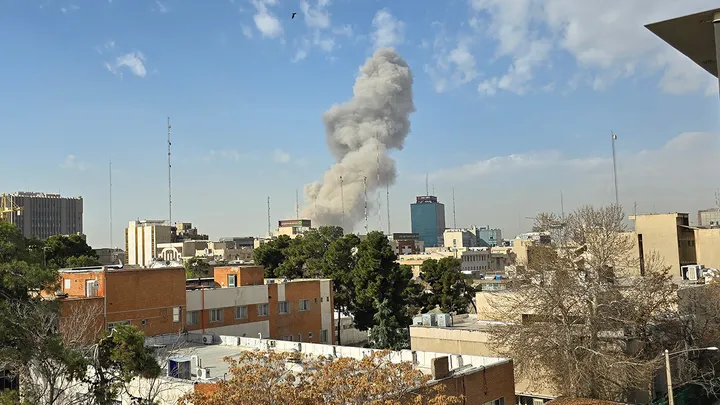
This precautionary posture follows Operation Epic Fury, the Saturday military campaign that eliminated Iran’s Supreme Leader Ayatollah Ali Khamenei and several senior Iranian officials. Security professionals say the consequences may not stop overseas.
“If ever there’s going to be a Hezbollah cell or a Hamas cell act in the United States in a violent way, it’s now,” said former FBI assistant director Chris Swecker. He pointed out that both groups are backed by Iran and have had a presence in the U.S. since the 1980s — proving once again that terrorist networks age like bad wine.
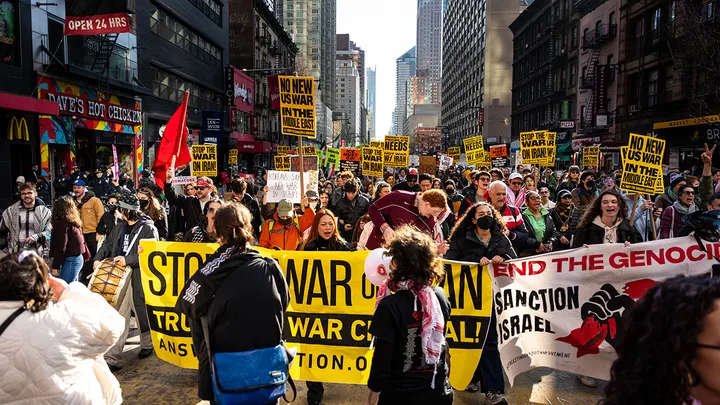
Swecker added that authorities already know these networks and sympathizers exist, including individuals tied to protest movements. He also warned that years of weak border security made infiltration easier. According to him, the last four years created an open door for terror cells and sympathizers to slip in and embed themselves as “catalysts” inside extremist circles.
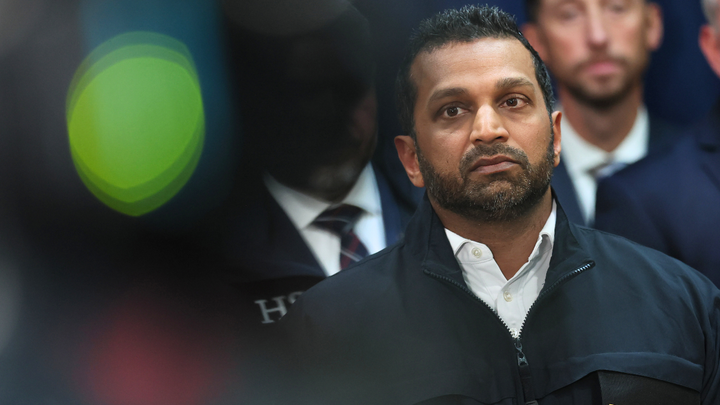
That’s why the Federal Bureau of Investigation has gone on high alert. Director Kash Patel said counterterrorism and intelligence teams have been mobilized to deter any attack on U.S. soil. While the military handles protection overseas, Patel made clear the FBI remains focused on keeping Americans safe at home.
Former FBI agent Jason Pack noted that this level of monitoring is standard whenever the U.S. engages in military action against adversaries known for indirect retaliation. He said the threat environment doesn’t stay static when America partners with Israel in a campaign like this — it shifts, sometimes dramatically.
Homeland Security Secretary Kristi Noem also confirmed coordination with federal intelligence and law enforcement partners to track and disrupt any emerging threat. This comes even as parts of the Department of Homeland Security face a partial shutdown, raising concerns about stretched resources at a critical moment.
Officials stress that no specific plot has been identified, but they agree the situation could change quickly as events overseas unfold. The message is simple: vigilance beats regret.
And here’s the bright side — this is what leadership looks like. Instead of waiting for disaster, America is watching, preparing, and protecting. Strength abroad and security at home go hand in hand, and this time, we’re not asleep at the wheel.