U.S. Energy Secretary Chris Wright said Friday that gasoline prices could begin falling within weeks, even after a sharp surge tied to the escalating conflict with Iran.
Speaking in an interview, Wright argued that the current disruption to global energy markets is temporary and tied to efforts aimed at stopping what he described as decades of instability caused by Iran’s regime.
“Iran’s been an escalator of energy prices for 47 years, the whole history of their regime,” Wright said. “We got a little bit of an interruption right now to finally put an end to their ability to wreak havoc, to kill Americans, and to terrorize their neighbors.”
The comments come as oil traders and drivers react to a sudden jump in crude oil and gasoline prices following U.S. and Israeli military operations against Iran, along with Tehran’s attempts to disrupt shipping traffic through the Strait of Hormuz.
The narrow waterway connects the Persian Gulf to the Gulf of Oman and handles roughly 20 percent of the world’s petroleum liquids supply, making it one of the most critical chokepoints in global energy markets. Any threat to shipping there can quickly ripple through fuel prices worldwide.
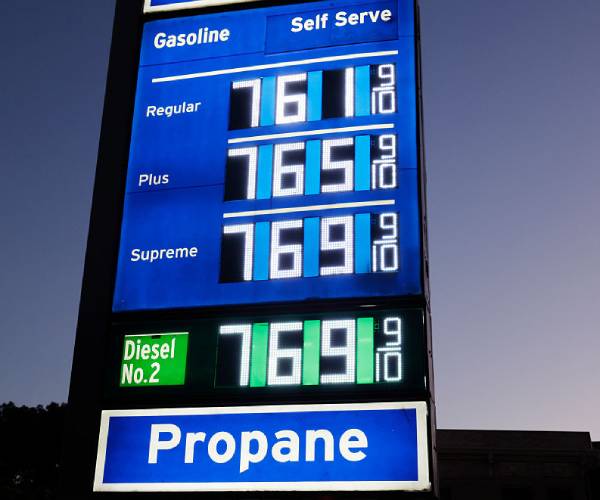
According to AAA, the national average price for a gallon of regular gasoline reached $3.32 on Friday, up from $2.98 just a week earlier as crude prices climbed and markets reacted to the potential for supply disruptions.
Energy analysts warn that prolonged interruptions could create larger problems for global markets. Patrick De Haan, head of petroleum analysis at GasBuddy, said missing shipments can quickly compound supply challenges.
“That means millions of barrels of oil that would normally flow to global markets simply aren’t reaching buyers,” De Haan said. “Every additional day the disruption continues compounds the problem.”
Still, the Trump administration remains confident that the market will stabilize. President Donald Trump dismissed concerns about a long-term spike in fuel costs earlier this week.
“I don’t have any concern about it,” Trump said. “They’ll drop very rapidly when this is over, and if they rise, they rise, but this is far more important than having gasoline prices go up a little bit.”
Administration officials say military and naval operations are designed not only to address security threats but also to ensure that vital shipping routes remain open and global energy markets remain stable.
Wright echoed that optimism, saying the market will likely correct itself sooner than many drivers expect.
According to the energy secretary, the timeline for relief at the pump will likely be measured in weeks rather than months, depending largely on how quickly shipping lanes and oil exports return to normal in the Middle East.