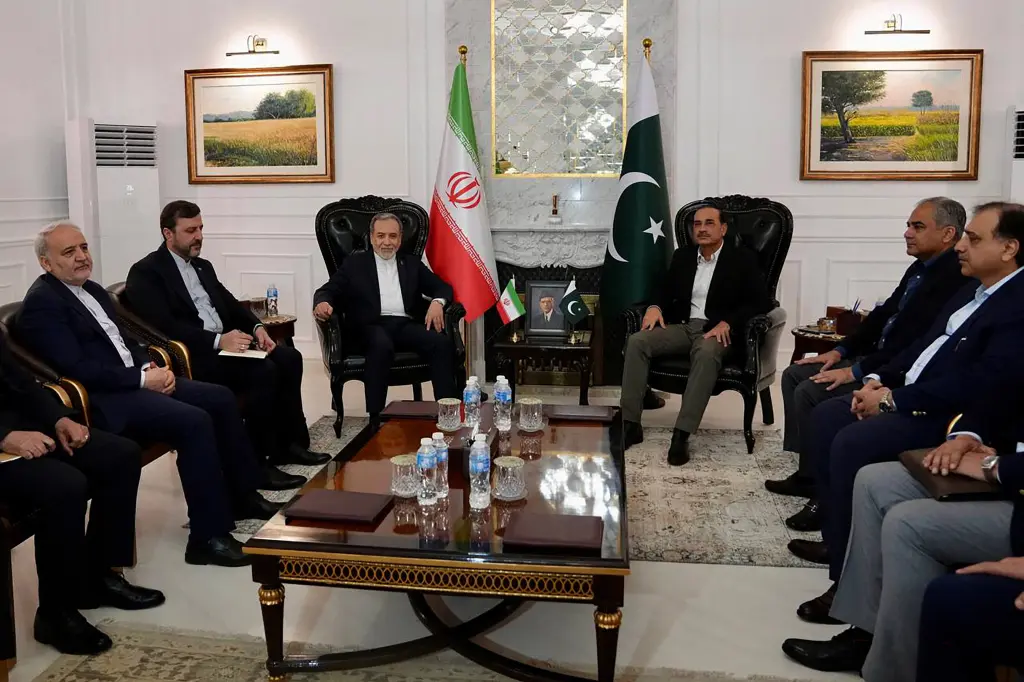
In a development that feels like déjà vu with a dose of reality, Iran’s foreign minister is back in Pakistan trying to revive talks—while President Donald Trump is making it clear he’s not about to send his team on another long-haul trip just to sit around.
Abbas Araghchi returned to Islamabad after leaving without meeting U.S. officials, a move that didn’t exactly inspire confidence in progress. In response, Trump quickly canceled plans for American envoys Steve Witkoff and Jared Kushner to head back to Pakistan. And honestly, his reasoning was refreshingly straightforward.
An 18-hour flight for talks that aren’t going anywhere? Hard pass.
Trump doubled down on that stance, saying his team will participate by phone if necessary. The message is simple: if Iran is serious, they know how to reach out. If not, the U.S. isn’t going to play along with endless diplomatic field trips that lead nowhere.
This comes as Iran continues to resist key U.S. demands on its nuclear program—arguably the most critical issue on the table. So while Tehran appears eager to keep conversations alive, it’s also trying to avoid the very commitments that would make those talks meaningful. Not exactly a winning strategy.
Meanwhile, Trump’s approach signals a shift away from the old model of drawn-out negotiations with little to show for them. Instead, he’s applying pressure and expecting results before investing more time and resources. It’s a tactic that may frustrate some in the diplomatic world—but it’s also one that avoids wasting effort on empty gestures.
At the end of the day, this isn’t about logistics—it’s about leverage. And right now, the United States is making it clear it’s not giving that up easily.
If Iran wants a deal, the door isn’t closed. But this time, they might have to pick up the phone first.