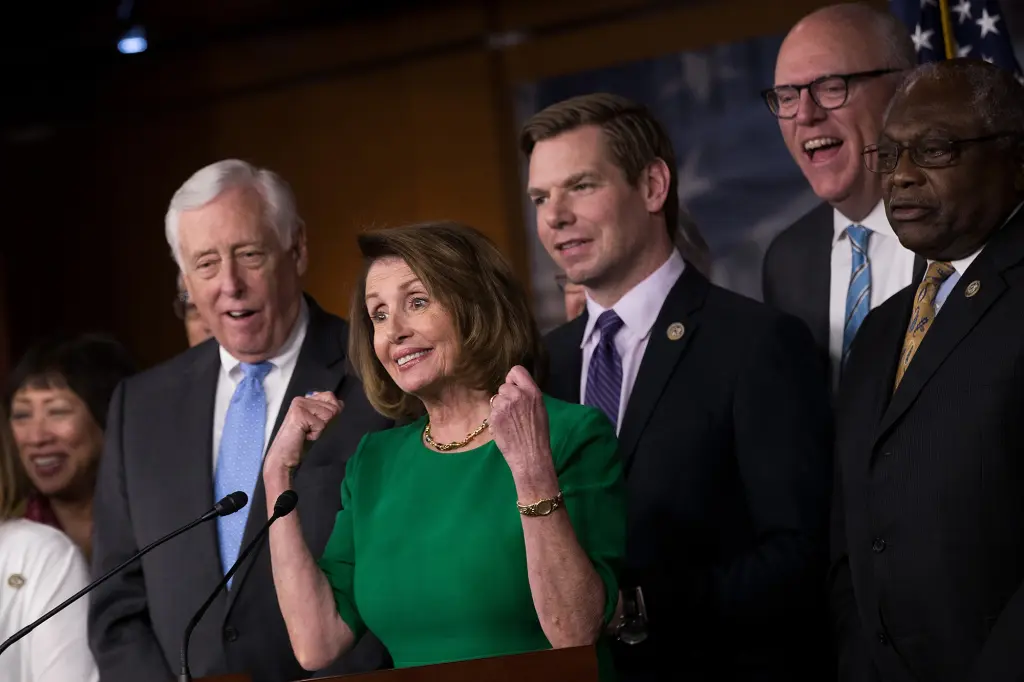
Columnist Miranda Devine contends that the political fall of Eric Swalwell wasn’t simply the result of scandal or circumstance—but rather part of a broader political calculation designed to help Democrats maintain control in California.
According to the argument, Swalwell’s national prominence took a significant hit following controversies that damaged his credibility, including scrutiny over past associations and questions surrounding judgment. While such setbacks might normally end a political career, Devine suggests that the outcome instead created space for party leadership to strategically reposition influence within the state.
California remains one of the most politically valuable strongholds for Democrats, both in terms of electoral votes and fundraising power. Losing control—or even allowing internal divisions to weaken cohesion—could have ripple effects nationwide. Devine argues that sidelining a figure who had become politically vulnerable may have helped prevent broader damage to the party’s brand in the state.
The column further suggests that by allowing Swalwell’s profile to diminish, Democratic leaders could redirect attention to candidates viewed as more stable or less controversial, thereby reinforcing their hold on key districts. In this interpretation, the shift wasn’t accidental but part of a calculated effort to minimize risk while consolidating power.
Critics of this view might argue that Swalwell’s decline simply reflects normal political consequences, where public figures lose influence after controversies. However, Devine frames it differently—seeing a coordinated political instinct within party structures to protect long-term dominance over short-term loyalty to individual figures.
California’s political landscape adds weight to the discussion. The state has been firmly Democratic for years, but internal party dynamics still matter. Control over leadership positions, committee influence, and future candidacies often involves careful maneuvering behind the scenes. Devine suggests that Swalwell’s diminished role fits into that broader pattern of strategic party management.
Ultimately, the argument centers on power preservation: maintaining Democratic influence in California by limiting potential liabilities and promoting candidates who strengthen the party’s long-term position. Whether one agrees with the interpretation or not, the debate highlights how political fortunes often shift not only because of public opinion—but also because of calculated decisions within party leadership circles.