PARIS—Europe is once again in the grip of radical leftist chaos, as France experienced its third consecutive weekend of widespread protests that quickly descended into alarming violence. Interior Minister Laurent Nuñez pointed directly to "the ultra-left and the radical far left" as the primary instigators, whose aim was nothing less than reaching city centers "with unheard-of violence."
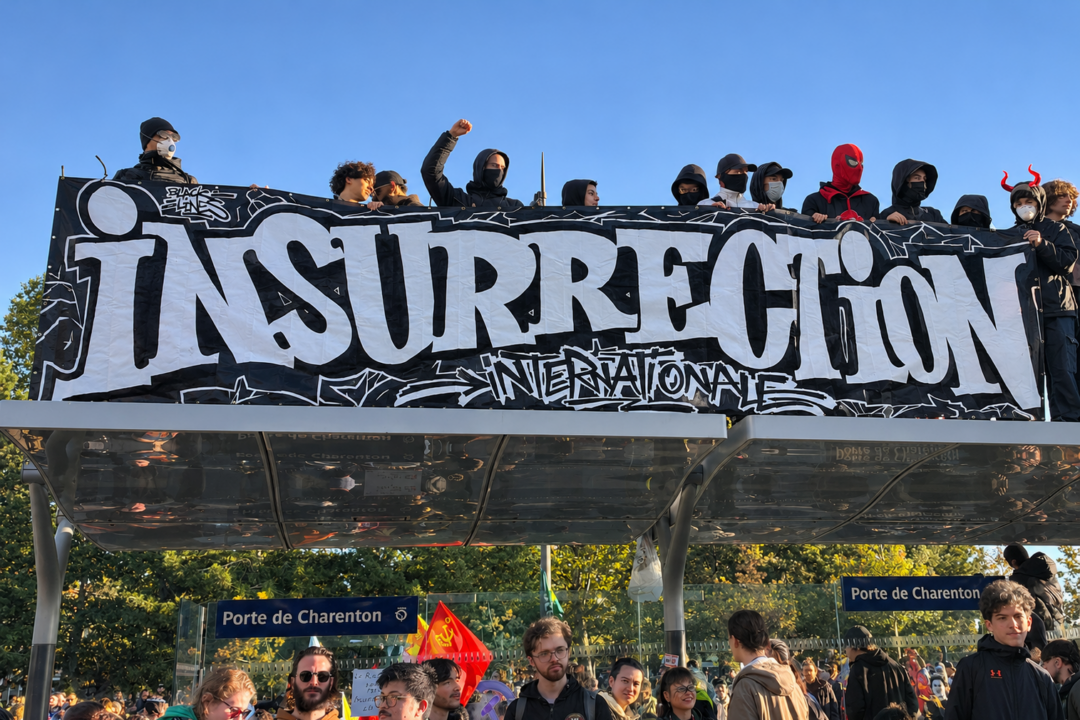
The sheer audacity of the aggression was laid bare near Porte de Charenton in Paris, where a Molotov cocktail was hurled at a mobile gendarmerie unit, engulfing an officer in flames. Miraculously, colleagues extinguished the fire, and the gendarme sustained only slight injuries. "When you throw a Molotov cocktail at a police line, I call that attempted murder," Nuñez declared, vowing to identify and bring the perpetrators to justice.
While some media outlets might have attempted to gloss over the severity, with "television tickers announcing that the marches had gone well," Nuñez forcefully countered: "No, there was an enormous amount of tension, an enormous amount of violence, and it had to be dealt with." This stark contrast highlights the desperate effort to sanitize the true nature of the unrest.
Indeed, calls for "revolution" and "insurrection" were openly posted on ultra-left websites, explicitly urging participants to use Halloween night to loot, vandalize, and attack public buildings. It was, as the minister put it, an attempt to create "an insurrectional climate, a climate of quasi-revolution."
Paris itself became a city under siege for the third Saturday in a row. Forty metro and RER stations were shuttered, while shopkeepers, bracing for the worst, boarded up their windows. Key government sites, including the Élysée Palace and the National Assembly, were heavily fortified, with some areas facing overnight curfews in a desperate bid to prevent a repeat of past ransacking.
The legal battle over the protest route underscored the high stakes, with France’s highest administrative court upholding a police ban on the traditional, more central route. Across the nation, 70,000 police and gendarmes were deployed, conducting 40,000 checks to intercept weapons, as authorities banned face coverings—even Halloween masks—around the demonstrations, recognizing their use for anonymity in criminal acts.
Jean-Luc Mélenchon, leader of the far-left La France Insoumise, marched with the demonstrators, later using social media to issue a stark ultimatum to President Emmanuel Macron: he "will have to give in or go." He then audaciously accused the media of waging a "panic campaign," a classic tactic to deflect from the violence orchestrated by his political allies.
The ideological undercurrents were unmistakable: communist, Palestinian, and even Iranian flags proliferated through the Parisian procession. Chants to "free French Muslims" and to "take down systemic Islamophobia" filled the air. In a moment of chilling defiance, demonstrators identifying as immigrants openly cheered, proclaiming themselves the "great replacers"—a direct and provocative nod to the "great replacement" theory, turning a national concern into a boast.
This wave of left-wing anarchy was not confined to France. Across Europe, similar scenes unfolded. In Germany, "Gen Z regelt" (Gen Z's got this) initiatives organized protests "for education, health, climate protection and an affordable life," which quickly devolved into violence. Frankfurt saw rioters smash windows, loot stores, and even steal weapons from a gun shop. Cologne and Hamburg were met with water cannons and tear gas as protesters attacked police and set barricades ablaze.
Portugal, the Netherlands, and Italy also experienced significant unrest. In The Hague, 34 arrests were made, and an officer suffered suspected hearing damage from fireworks. Italy witnessed violent clashes in Rome, Turin, and other cities, with a trade union claiming over 1 million participants in 70 cities—a staggering display of coordinated left-wing agitation.
The ominous drumbeat of further unrest continues, with far-left student unions already calling for new blockades of high schools and universities on Tuesday and Thursday, followed by an "Act IV" of protests next Saturday, November 5. This relentless push for disruption, fueled by radical ideologies, signals a deepening crisis for European nations.
Europe stands at a critical juncture, facing an internal threat fueled by radical ideologies that seek to dismantle order and tradition. The escalating violence, repeatedly driven by the far-left, demands more than just containment; it requires a clear-eyed recognition of the forces at play and a steadfast commitment to law, order, and the preservation of national sovereignty against those who openly call for revolution.