European allies are reportedly coordinating behind the scenes in case the Trump administration moves forward on acquiring Greenland—because nothing jolts Europe into unity quite like President Donald Trump thinking strategically.
According to a report citing Reuters, French Foreign Minister Jean-Noel Barrot confirmed that the issue will be discussed with his German and Polish counterparts, emphasizing that Europe wants to act “together.” Translation: they’re paying very close attention to what the United States might do next.
Germany echoed that concern, with a government source stating that Berlin is “closely working together with other European countries and Denmark on the next steps regarding Greenland.” When America starts talking about national security, suddenly everyone wants a meeting.
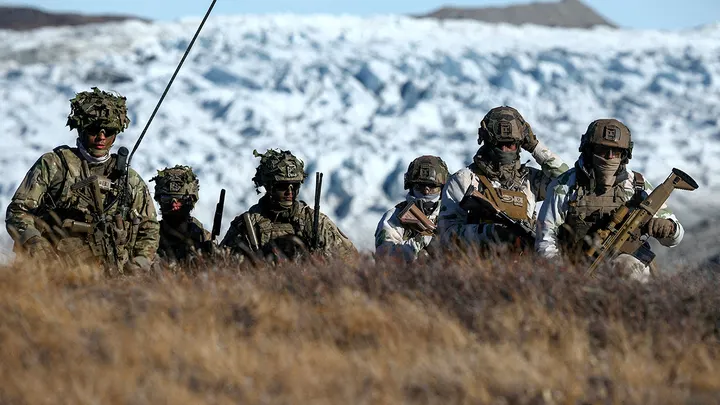
The White House, meanwhile, has been crystal clear. Press Secretary Karoline Leavitt stated that President Trump views acquiring Greenland as a national security priority and that all options remain on the table—including, yes, the U.S. military. As Leavitt put it, the president and his team are discussing a range of options to pursue this “important foreign policy goal,” and the Commander in Chief retains every tool at his disposal. That’s called leadership, not ambiguity.
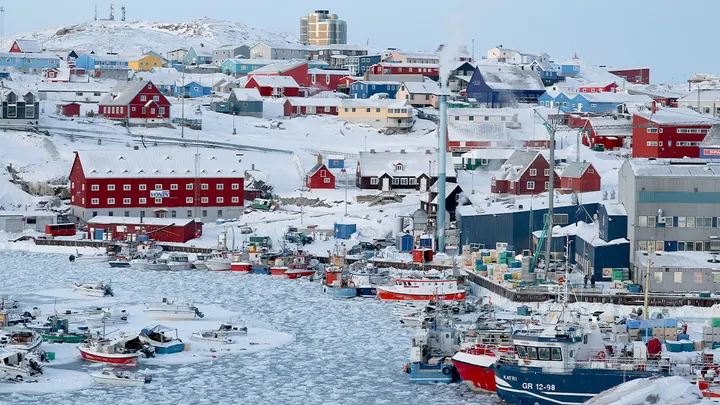
When asked to respond to the European chatter, the White House simply stood by Leavitt’s remarks—because when your position is strong, you don’t need to keep rewriting it.
President Trump reinforced his stance over the weekend aboard Air Force One, stating plainly that the United States needs Greenland for national security. No hedging, no diplomatic fog—just a direct assessment of America’s interests in the Arctic.
European and Nordic leaders predictably pushed back. Finland’s president, Norway’s prime minister, and Denmark’s ambassador to the U.S. reiterated their support for Denmark’s sovereignty over Greenland and stressed that its future should be determined by Greenland and Denmark alone. That response was expected—so was America putting its own security first.
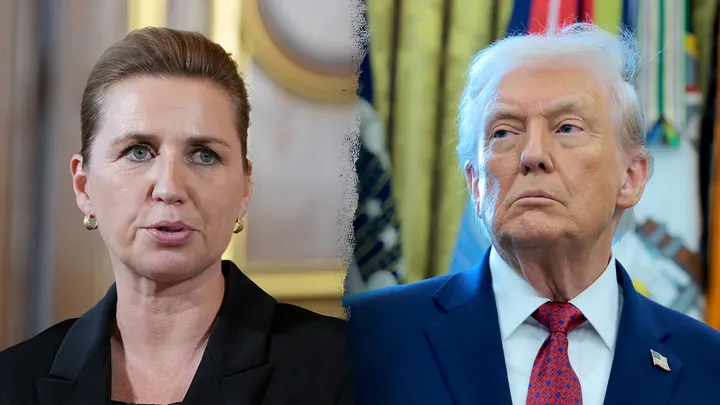
Adding to the quiet tension, a senior European official acknowledged that Denmark must lead any coordinated response, noting that Copenhagen has yet to specify what kind of support it actually wants from its allies. In other words, Europe is preparing for a plan that hasn’t been defined yet.
At the end of the day, President Trump is doing what presidents are supposed to do: thinking long-term, prioritizing national security, and refusing to let strategic regions slip through America’s fingers. Whether Europe likes the conversation or not, the fact remains—strong leadership keeps the world paying attention, and that’s a good place for the United States to be.