As pressure mounts on Iran from ongoing U.S. and Israeli strikes, cracks in the regime’s image are becoming harder to hide—and critics aren’t holding back.
One of the most striking reactions came from exiled Iranian journalist Khosro Isfahani, who delivered a brutal assessment of the country’s leadership during an interview. His message? The regime isn’t just under pressure—it’s scrambling to maintain the illusion of control.
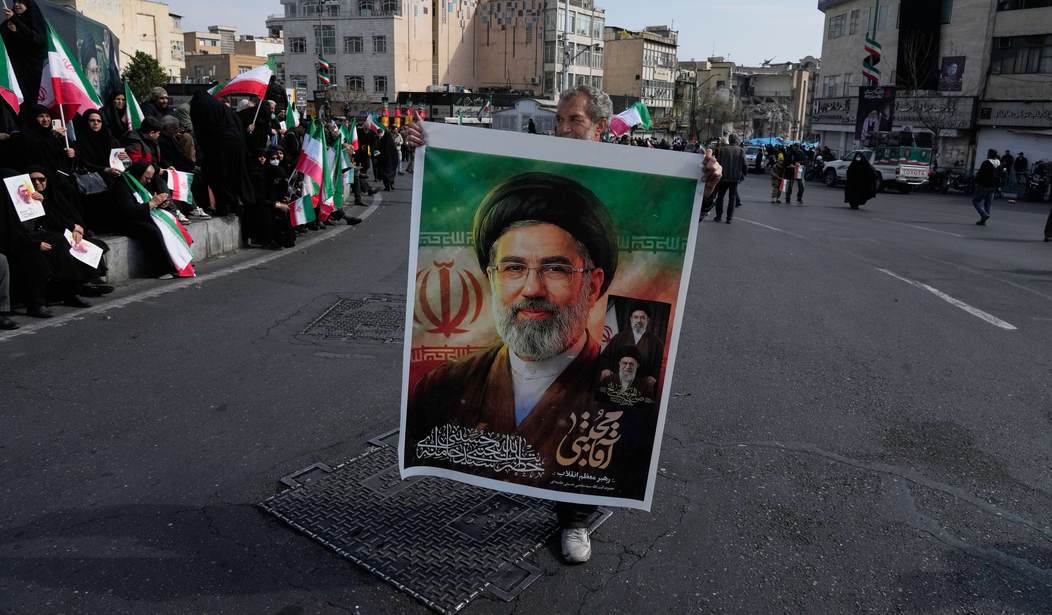
At the center of the criticism is Iran’s so-called Supreme Leader, Moqtaba Khamenei, who reportedly hasn’t been seen publicly since the start of the conflict. While a statement attributed to him surfaced during the Nowruz holiday, there was no appearance, no speech, and no clear confirmation it even came directly from him. Confidence-inspiring, right?
Isfahani didn’t mince words, sarcastically describing Khamenei as the “first AI-generated leader” and mocking his presence—or lack thereof. He went even further, calling him “an impotent young cleric who has all the charisma of a boiled potato.” Not exactly the image of strength the regime would like to project.
According to Isfahani, much of the content being released by Iranian leadership appears to be either recycled footage or artificially generated material, raising serious questions about transparency and stability at the top.
Beyond the optics, he pointed to deeper structural damage within the regime. Key figures, including Ali Larijani, have reportedly been taken out during the ongoing campaign. Isfahani noted that Larijani had been linked to past crackdowns on protesters—despite some previously portraying him as a “moderate.”
He also highlighted the weakening of the Basij, a paramilitary force used by the regime to suppress internal dissent. Reports suggest that hundreds of its members have been eliminated, with others now hesitant to even show up for duty. That kind of fear doesn’t exactly scream “control.”
For Isfahani, the moment is critical. He described the situation as a turning point, calling it “the last battle for our homeland” and emphasizing that many Iranians see this as a rare opportunity for change.
Meanwhile, reports indicate that recent strikes may have hit key targets, including a possible ammunition depot—further intensifying the pressure on an already strained system.
The broader takeaway? The regime’s response—or lack of one—is telling. When leadership appears absent, messaging feels manufactured, and internal forces begin to falter, it raises serious doubts about long-term stability.
The silver lining is that these developments are bringing more global attention to what’s happening inside Iran. And as more voices speak out, the chances for meaningful change only grow stronger.
Because when even insiders and exiled voices start openly questioning leadership, it’s a sign that the narrative is shifting—and that’s where real change begins.