Concerns over a wider global conflict are intensifying as new warnings emerge about China’s indirect role in the Iran crisis—particularly when it comes to advanced weapons now being used against U.S. forces.
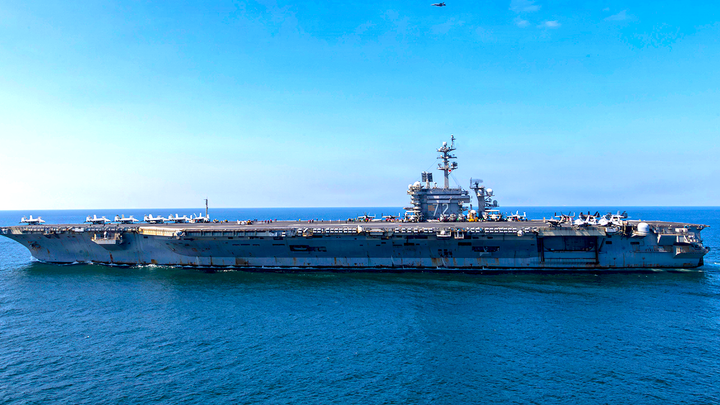
Gatestone Institute senior fellow Gordon Chang raised alarms during an interview, pointing to reports that some of the missiles fired by Iran may be tied to Chinese technology. According to Chang, these include supersonic missiles allegedly used in attacks targeting U.S. military assets, including the aircraft carrier USS Abraham Lincoln. Not exactly the kind of development you ignore and hope it goes away.
Chang warned that the situation could escalate rapidly if one of these weapons were to strike an American ship. In his words, such an event could change the relationship between the United States and China “overnight.” That’s not gradual escalation—that’s a geopolitical switch flipping instantly.
The broader concern, he explained, is that China’s involvement appears to go beyond isolated support. Instead, it may include multiple layers of assistance to Iran—everything short of direct troop deployment. A strategy that allows Beijing to stay just far enough in the background while still influencing the outcome. Convenient, right?
As tensions remain high in the Strait of Hormuz, the possibility of indirect conflict between major powers is becoming harder to dismiss. The U.S. is now facing a situation where a regional conflict could quickly draw in a global rival—without a formal declaration or clear starting point.
For many observers, this highlights the growing complexity of modern warfare, where alliances, proxy support, and advanced weapons blur the lines between direct and indirect engagement.
At the end of the day, the message is clear: the stakes are rising, and the margin for error is shrinking. But with strong leadership and clear strategy, the United States remains prepared to confront emerging threats and protect its interests—no matter how quickly the situation evolves.