A group of far-left American influencers and self-styled “fashion revolutionaries” recently took a trip to Cuba, calling it an aid mission. In reality, it looked a lot more like a tone-deaf photo op—because nothing says “helping the oppressed” quite like posing in outfits while people around you struggle to keep the lights on.
And that’s the part that makes this whole spectacle less funny and more disturbing. Cuba isn’t some aesthetic backdrop for Instagram activism—it’s a country where people have endured decades of hardship under the Castro regime. But somehow, this privileged group seemed more interested in romanticizing the situation than acknowledging it.
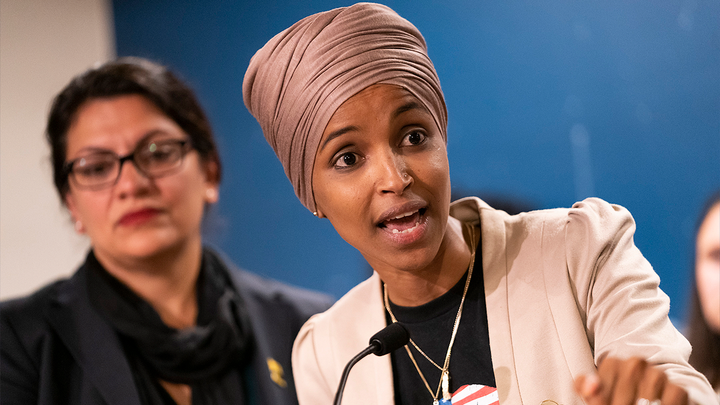
Among the attendees was Isra, daughter of Rep. Ilhan Omar, sporting a shirt referencing the Minneapolis riots—because apparently, nothing complements a “humanitarian trip” like politically charged fashion statements. It’s a striking contrast: benefiting from American capitalism while symbolically trashing it abroad. Subtlety clearly wasn’t invited on this trip.
Then there’s Hasan Piker, the podcaster who has become something of a rising voice on the far left. Naturally, he didn’t disappoint. While critics pointed out his luxury accessories—yes, including those pricey glasses—Piker offered his own take on Cuba’s rolling blackouts. According to him, despite widespread power outages, “people are partying in the streets.”
Right—because when a country faces daily blackouts, the obvious conclusion is that everything’s fine and everyone’s just embracing the “island mindset.” That’s one way to interpret it, I suppose.
Piker also drew a line between what he described as “good” Cubans who stayed on the island and those who left for places like Miami. It’s a convenient narrative—one that overlooks why so many people risk everything to leave in the first place.
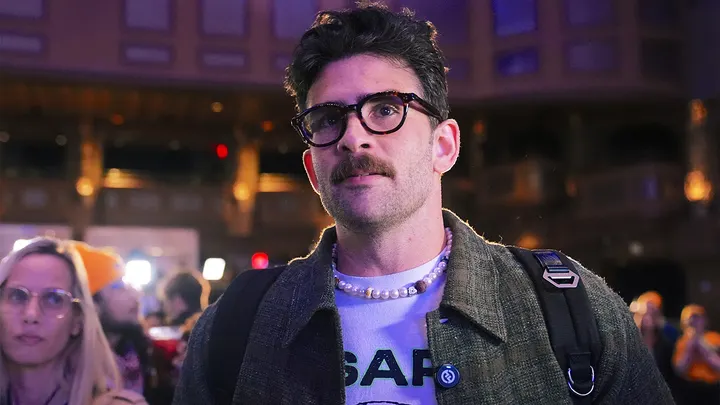
Criticism of Piker doesn’t stop there. Figures like Rep. Ritchie Torres have publicly condemned his past remarks, accusing him of offensive and inflammatory rhetoric, including comments targeting Jewish individuals. Even within the Democratic Party, voices like Torres and Sen. John Fetterman have pushed back, highlighting growing divisions over figures like Piker and the ideas they represent.
And yet, despite all this, Piker continues to gain prominence, even appearing at political rallies. It’s a level of mainstream acceptance that raises eyebrows—especially when compared to how similar controversies would be treated on the right. Funny how those standards seem to shift depending on who’s involved.
In many ways, Cuba serves as a real-world example of the kind of system some of these influencers appear to admire. A place where hardship is reframed as simplicity, and systemic issues are brushed aside in favor of ideology. It’s easy to praise that model—from the comfort of a five-star hotel with a generator, of course.
Meanwhile, the Trump administration, with Secretary of State Marco Rubio leading efforts, continues to push for change in Cuba—aiming to move the country forward and improve conditions for its people. A stark contrast to those who seem content treating it as a political prop.
At the end of the day, this trip said a lot—just maybe not what its participants intended. Because when reality clashes with ideology, it tends to expose more than it hides. And if nothing else, at least Americans are getting a clearer picture of what these ideas actually look like in practice.