For years, Anthony Fauci stood before cameras insisting he had nothing to hide about the government's handling of the COVID-19 pandemic. This week, however, the longtime public health official took a dramatically different approach when faced with sworn questioning.
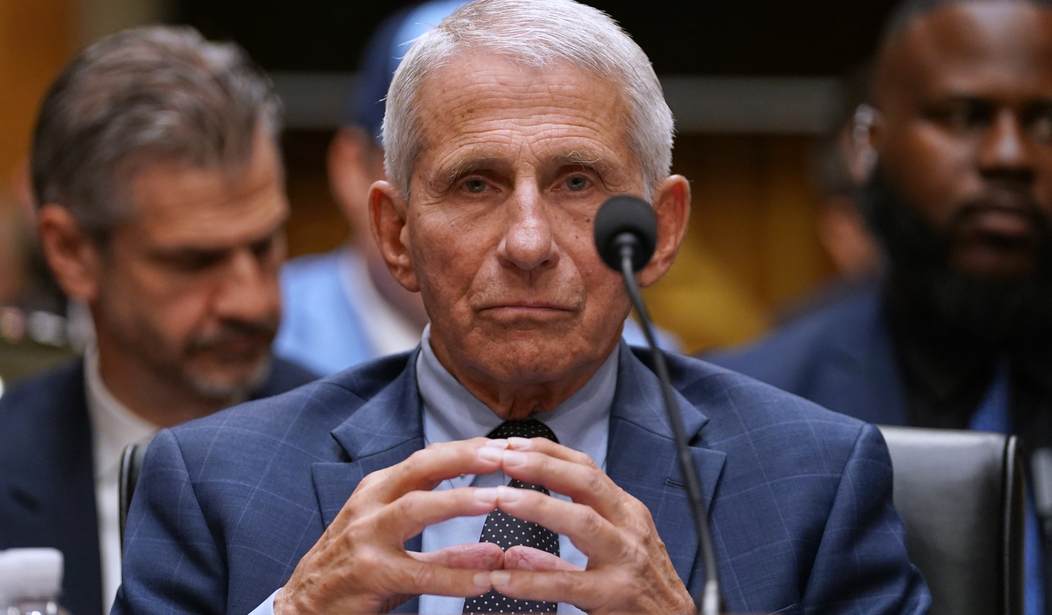
During testimony on Wednesday, former National Institutes of Health Director Anthony Fauci invoked his Fifth Amendment right against self-incrimination 111 times while answering questions about his role in the federal pandemic response.
The repeated refusals to answer immediately drew attention, but they also prompted criticism from legal observers who argued the strategy may have done more harm than good.
A former Department of Defense counsel said Fauci's decision to invoke the Fifth so extensively likely backfired, suggesting it raises more questions than it resolves in the court of public opinion. While the Fifth Amendment is a constitutional protection that allows individuals to avoid self-incrimination, exercising that right does not itself establish guilt, nor can it legally be treated as proof of wrongdoing.
Still, the optics are difficult to ignore.
For years, Fauci dismissed critics who questioned decisions surrounding lockdowns, mandates, federal guidance, and the origins of COVID-19. Now, instead of offering detailed explanations under oath, he declined to answer more than one hundred questions by invoking the Constitution's protections.
That contrast is likely to fuel even greater public scrutiny over one of the most controversial periods in modern American history. Millions of Americans endured sweeping government restrictions, school closures, business shutdowns, and vaccine mandates that reshaped daily life, making demands for transparency all the more significant.
The Fifth Amendment exists to protect the rights of every American, and exercising that protection is entirely lawful. But when one of the nation's most influential pandemic officials refuses to answer question after question about decisions that affected virtually every household in the country, it is understandable that many Americans will continue asking whether the full story has yet to be told.
Accountability depends on transparency, especially when government officials wield extraordinary power during a national crisis. Whether through congressional oversight or further investigation, restoring public trust requires answers—not silence.