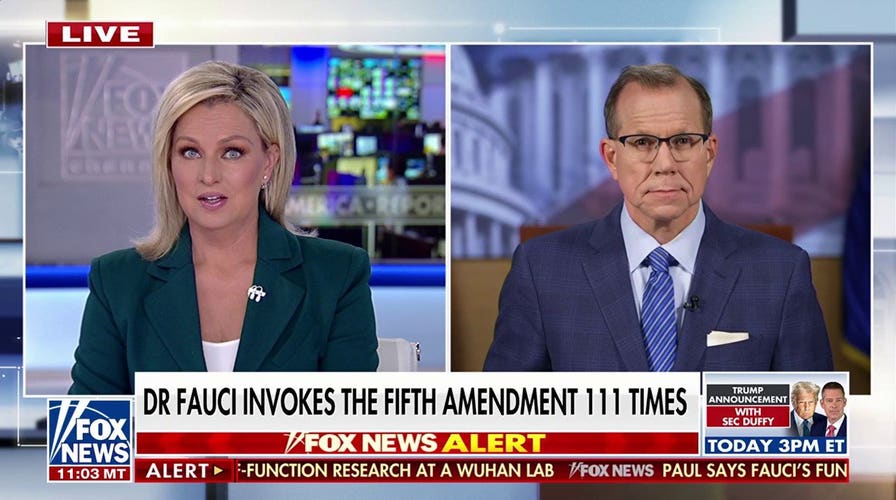
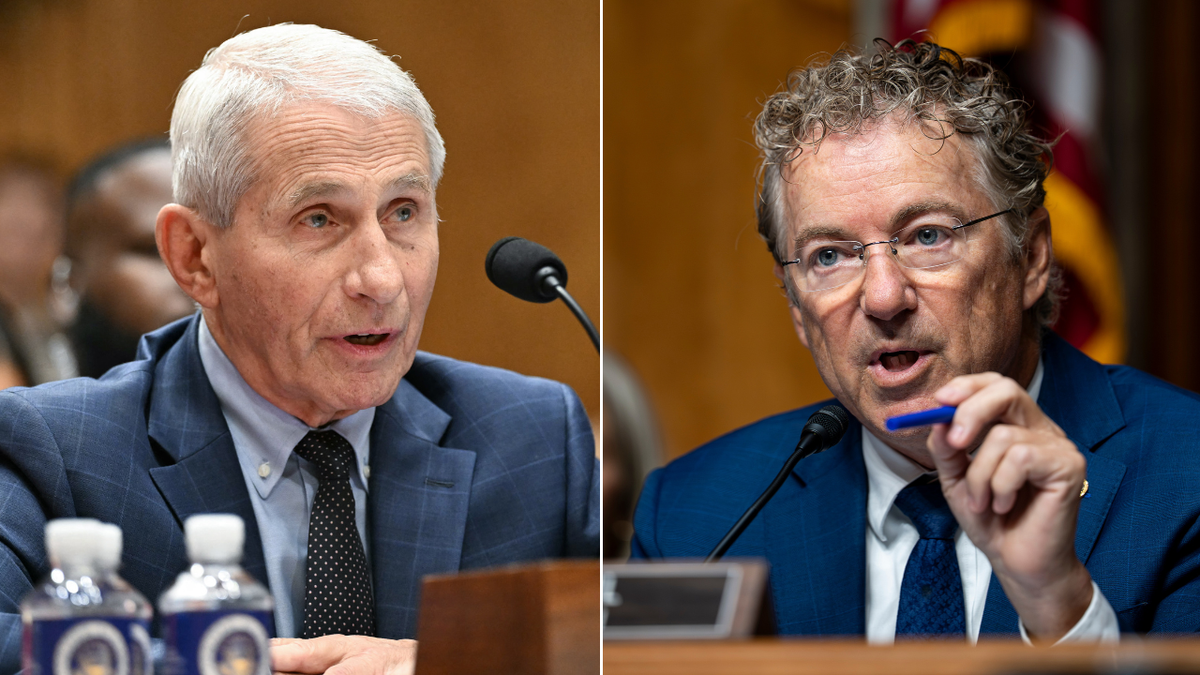
Dr. Anthony Fauci, the polarizing figure who shaped America's response to the COVID-19 pandemic, delivered a stunning rebuke to congressional oversight on Wednesday, invoking his Fifth Amendment right against self-incrimination an astounding 111 times. This unprecedented stonewalling unfolded during a contentious Senate hearing, immediately igniting a furious debate over accountability for a bureaucrat shielded by a sweeping presidential pardon from Joe Biden.
Senator Rand Paul, a Kentucky Republican and relentless critic of Fauci's pandemic leadership, wasted no time, declaring his intent to pursue contempt proceedings. "We're going to have a vote next week on contempt," Paul affirmed, questioning the fundamental premise of Fauci's legal defense. "I think there's another legal question that the courts may have to decide upon, and that is whether or not a presidential pardon offers you complete immunity." The stakes are clear: Can a lifetime of public service, or at least a decade of it, be scrubbed clean by executive decree, or will the truth prevail?
The backdrop to Fauci's baffling silence is a full and unconditional pardon issued by former President Joe Biden, covering all of Fauci's actions from January 1, 2014, to January 19, 2025. This presidential act was designed to shield Fauci from prosecution for the very conduct under congressional scrutiny, seemingly leaving only the risk of perjury if he were to lie under oath. But as legal experts are quick to point out, this blanket immunity throws a wrench into the traditional understanding of the Fifth Amendment.
Abhishek Kambli, a former Justice Department official now representing former Trump advisor Peter Navarro, highlighted the novel legal territory. "Obviously, if he tells the truth, then he would be protected by that blanket pardon, since the past conduct that he reveals he's fully immunized from," Kambli told Fox News Digital. He questioned the legitimacy of invoking the Fifth if truthful testimony no longer carries the threat of prosecution for underlying conduct. Fauci's legal team, according to Kambli, argues "that it's a witch hunt and that they're looking for perjury traps." Yet, Kambli noted the argument weakens significantly when faced with "straightforward factual questions." If perjury requires knowingly making a false statement, an innocent mistake wouldn't trigger a charge.
George Washington University law professor Jonathan Turley also chimed in, suggesting the legal issues are "more complicated than either side suggests." Turley pointed out that Fauci's only real remaining risk would stem from "any false statements that he made in the hearing," especially if questions probed conduct after the pardon grant. Turley also raised eyebrows at Fauci's decision to deliver an opening statement before invoking the Fifth Amendment, an act reminiscent of the controversial Lois Lerner case, which also led to a contempt referral from the House.
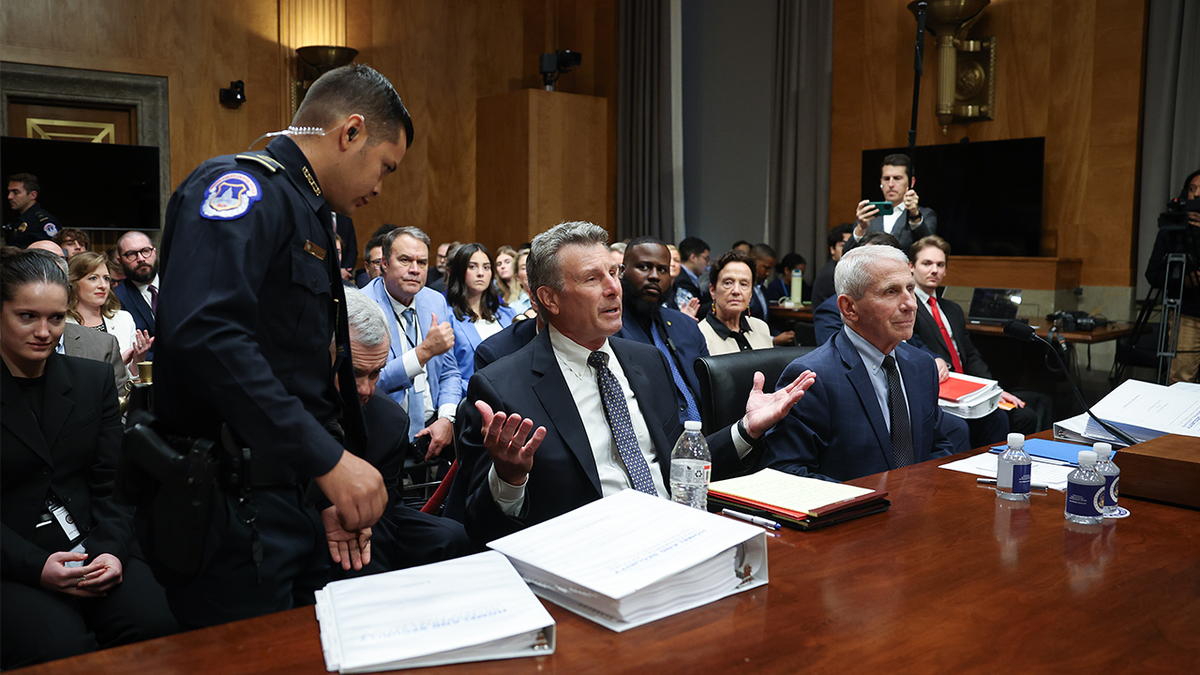
But perhaps the most direct assessment came from Hans von Spakovsky, a senior legal fellow at Advancing American Freedom, who firmly asserted Senator Paul's position is stronger. "He can't be prosecuted by the federal government for any actions he took during the period the pardon covers," von Spakovsky stated. However, he clarified, "if he lies while under oath at his hearing today about any of those prior actions, he could be prosecuted for perjury." While federal charges are largely off the table due to Biden's convenient pardon, the specter of state-level scrutiny is now emerging. Florida Attorney General James Uthmeier wasted no time, announcing a state investigation into Fauci following his Capitol Hill testimony. Von Spakovsky pulled no punches regarding Fauci's motivation: "The only reason for him to take the Fifth is because he doesn't want to admit, based on his personal diaries, that he lied repeatedly to the public and Congress when he was head of the NIAID."
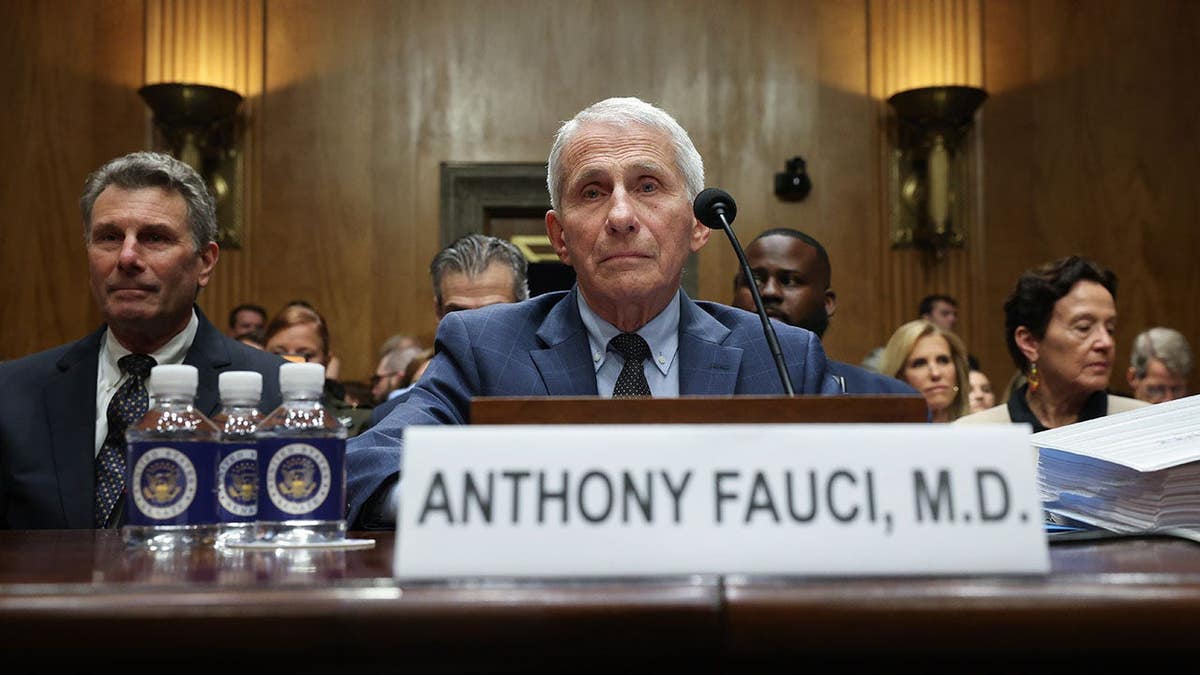
The path to federal accountability for Fauci faces a steep climb, requiring a 60-vote threshold in the Senate to overcome a filibuster. But the American people, who endured unprecedented lockdowns, mandates, and societal disruption under Fauci's guidance, deserve answers. This isn't merely about legal technicalities; it's about holding powerful figures accountable for their actions and ensuring transparency from those entrusted with public health and public trust. The fight for truth, so often obstructed by Washington's deep state, will continue.